
Nutritional impact of Dominican cornmeal porridges
Introduction
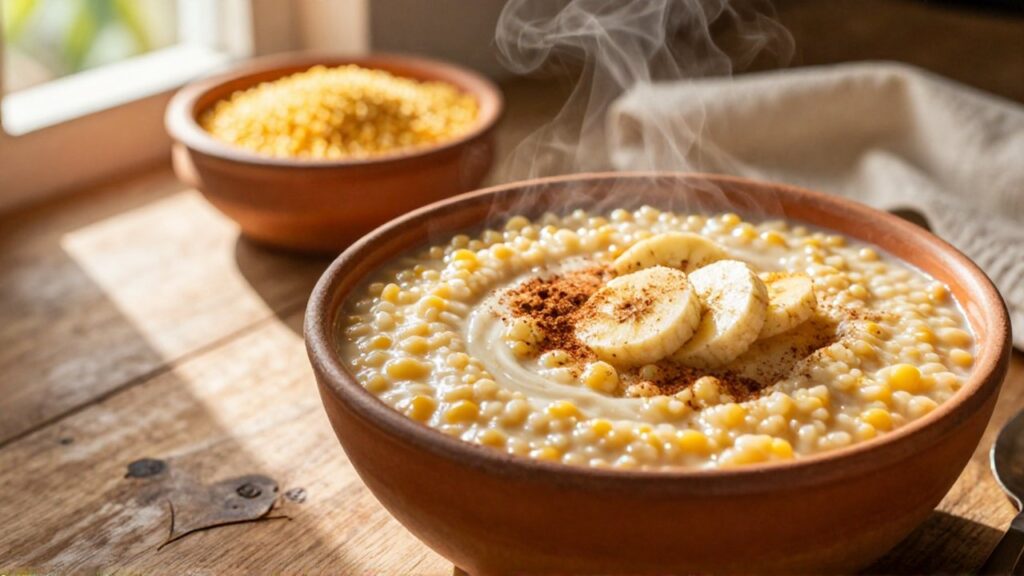
Dominican cornmeal porridge, often referred to locally as mazamorra or variations of corn-based breakfast creams, is a staple comfort food in the Dominican Republic. Traditionally prepared by simmering cornmeal with milk, sugar, and aromatic spices like cinnamon and cloves, it serves as a dense, energy-rich meal. This dish is widely consumed during breakfast or as a nutritious snack to provide sustained satiety throughout the morning or late afternoon.
Understanding the nutritional impact of these porridges is essential for anyone looking to integrate traditional Caribbean flavors into a balanced diet. Because cornmeal is a grain-based ingredient, its caloric density and macronutrient profile can vary significantly depending on the specific recipe used. While it offers a reliable source of carbohydrates, the way it is prepared—specifically the addition of sweeteners and fats—dictates its overall impact on daily caloric intake and glycemic response.
Macronutrient profile and energy density
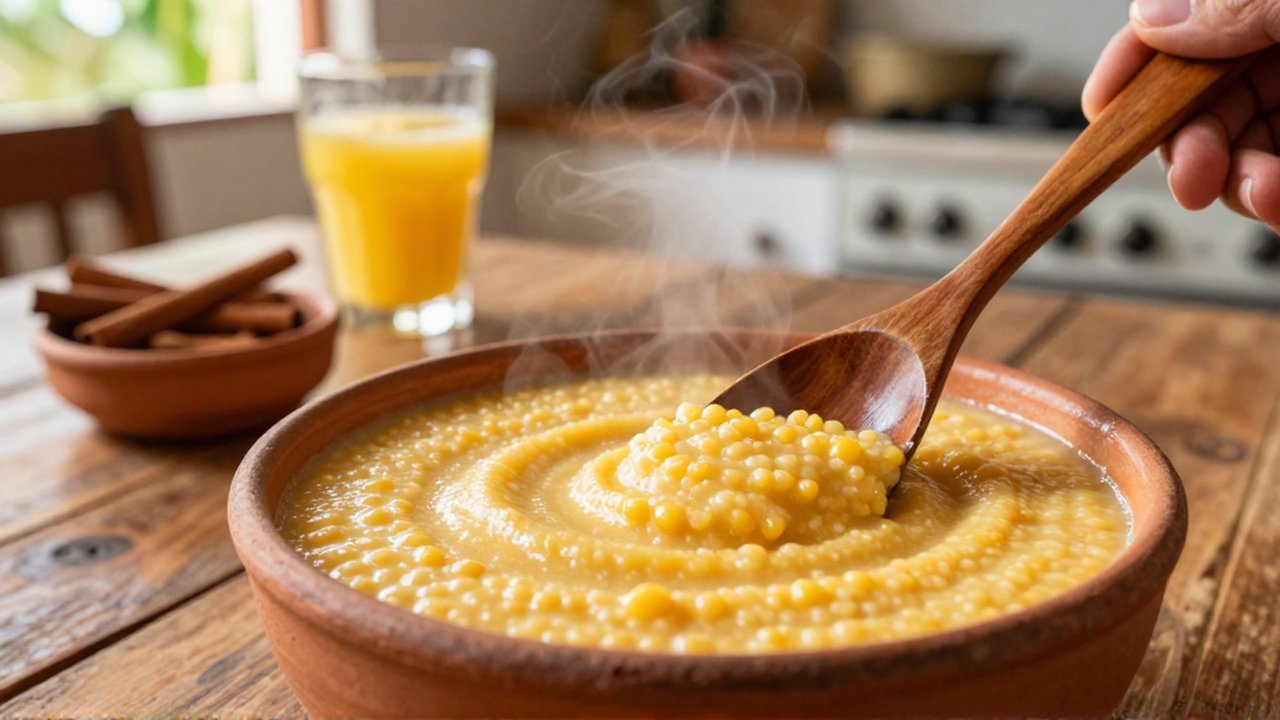
The primary nutritional component of Dominican cornmeal porridge is carbohydrates. Cornmeal is a complex carbohydrate that provides the body with a steady source of glucose, which is the preferred fuel for the brain and muscles. When consumed in moderation, these carbohydrates offer lasting energy, making the dish particularly useful for active individuals or those starting a busy day.
The caloric density of the dish is heavily influenced by the type of milk and sugar used. A version prepared with whole milk and significant amounts of cane sugar will be substantially higher in calories and saturated fats than a version made with skim milk or natural sweeteners. To understand the balance, consider the following breakdown of typical components:
| Component | Primary Function | Nutritional Impact |
|---|---|---|
| Cornmeal | Complex Carbohydrate | Provides long-term energy and satiety |
| Milk | Protein and Fat | Supplies calcium and essential fatty acids |
| Sugar | Simple Carbohydrate | Increases caloric density and glycemic load |
| Spices | Flavor/Micronutrients | Minimal calories; adds antioxidant properties |
Glycemic impact and satiety levels
One of the most important factors regarding the nutritional impact of cornmeal porridge is its effect on blood sugar levels. Since cornmeal is a processed grain, it has a moderate glycemic index. This means that when consumed alone or with high amounts of sugar, it can cause a relatively quick rise in blood glucose levels.
However, the inclusion of milk plays a crucial role in mitigating this effect. The protein and fat content in milk slow down the digestion process, which helps to stabilize the release of sugar into the bloodstream. This combination of complex carbohydrates and protein promotes a feeling of fullness, or satiety, which can prevent overeating in subsequent meals. To maximize the nutritional benefit, focusing on the ratio of grain to liquid and limiting added sweeteners is a common recommendation for maintaining steady energy levels.
Dietary considerations and preparation variations

The way a cornmeal porridge is prepared determines whether it serves as a nutritious meal or a high-calorie dessert. In Dominican culture, these variations are common, and each has a different metabolic footprint.
- Traditional Sweetened Porridge: Often used as a treat or a heavy breakfast, this version is high in calories due to added sugar and full-fat dairy. It is best enjoyed occasionally rather than as a daily staple for those monitoring caloric intake.
- Lightened Versions: By using low-fat milk or plant-based alternatives and reducing the amount of sugar, the dish becomes a much more functional meal for weight management and metabolic health.
- Fortified Options: Some modern preparations may include chia seeds or extra cinnamon, which can add fiber and micronutrients to the mix, further improving the nutritional profile.
Common mistakes in consumption include treating the porridge as a side dish rather than a main meal, which can lead to an accidental surplus of carbohydrates, or adding excessive amounts of condensed milk, which significantly increases the fat and sugar content.
Frequently asked questions
Is cornmeal porridge a good source of protein? It provides a moderate amount of protein primarily through the milk used in the preparation. To increase the protein content, one could use higher-protein milk or combine it with other protein-rich foods.
Can cornmeal porridge be part of a weight management plan? Yes, provided the portion sizes are controlled and the amount of added sugar and fats is minimized. Focusing on a higher milk-to-cornmeal ratio can also help manage caloric density.
Is this dish suitable for breakfast? It is an excellent breakfast choice for those needing sustained energy due to its carbohydrate content. However, it is important to watch the sugar content to avoid a mid-morning energy crash.
How do spices affect the nutrition of the dish? Spices like cinnamon and cloves add flavor without adding calories. Some spices also contain small amounts of antioxidants, making them a healthy addition to the recipe.
Leave a Reply