
How to store avocado to prevent browning
Introduction
Avocados are a staple in many tropical diets, prized for their creamy texture and rich nutritional profile. However, one of the most common frustrations in the kitchen is how quickly the flesh turns a dark, unappealing brown once the fruit is sliced or exposed to air. This oxidation process occurs when enzymes in the fruit react with oxygen, significantly altering the aesthetic and sometimes the flavor of your meal.
Learning how to manage this process is essential for reducing food waste and ensuring that your guacamole, salads, or toast remain fresh. Understanding the right storage techniques allows you to prepare only what you need while preserving the rest for later use. Whether you are dealing with a whole fruit or a leftover half, there are several reliable methods to maintain that vibrant green color.
Why avocados turn brown
The browning of an avocado is primarily caused by a process called enzymatic oxidation. When the protective skin of the fruit is broken—either by slicing it or by accidental bruising—the internal cells are exposed to the oxygen in the air. An enzyme naturally present in the avocado, known as polyphenol oxidase, reacts with this oxygen to create melanin, the same pigment that colors human skin.
While this browning does not necessarily mean the fruit has spoiled or become unsafe to eat, it does affect the texture and visual appeal. In a culinary context, a brown avocado can make a dish look unappetizing. By creating a physical or chemical barrier between the fruit and the air, you can significantly slow down this reaction.
Storing whole avocados

The strategy for storing a whole avocado depends entirely on its current state of ripeness. If you purchase avocados that are still firm, they should be kept at room temperature to encourage the ripening process. Once they reach the desired softness, they can be transferred to the refrigerator to halt further ripening and extend their shelf life by a few days.
If you have multiple avocados at different stages of maturity, you can manage their progress by separating them. Firm avocados stay on the counter, while ripe ones move to the cold environment of the fridge. This prevents the entire batch from becoming overripe at the same time.
Methods for storing halved avocados
Once an avocado is sliced, the clock starts ticking on oxidation. To prevent browning of the exposed flesh, you must minimize oxygen contact. Here are the most effective methods:
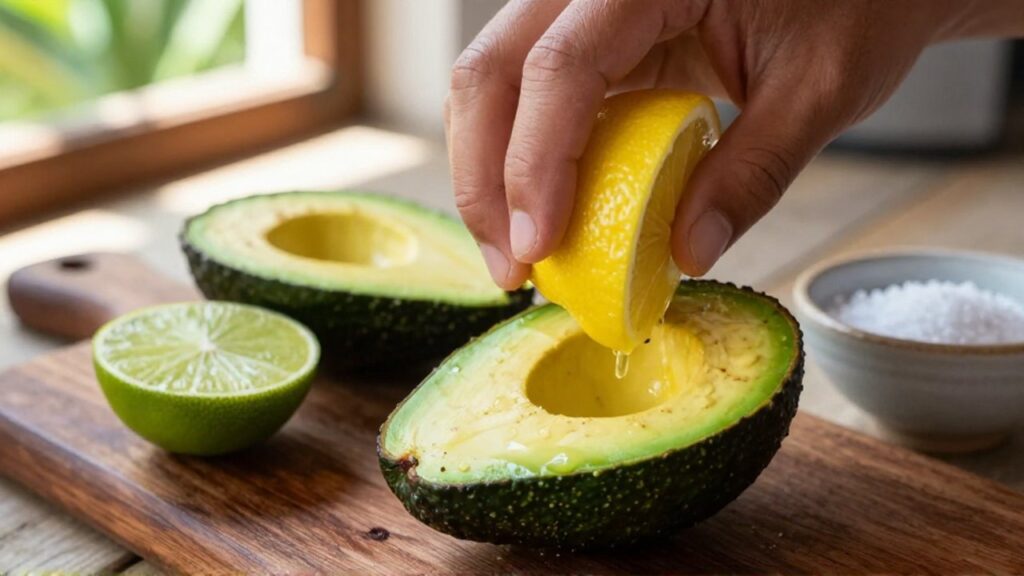
- The Citrus Method: Squeeze a small amount of lemon or lime juice over the exposed surface. The acidity of the citrus helps slow the enzymatic reaction. This is ideal for avocados that will be used in salads or guacamole.
- The Airtight Method: Place the avocado half in an airtight container or wrap it tightly with plastic wrap. Ensure the wrap is pressed directly against the flesh to eliminate air pockets.
- The Onion Method: Place the avocado half in an airtight container with a few slices of red onion. The sulfur compounds released by the onion act as a natural preservative against oxidation.
- The Water Method: Submerge the flesh of the avocado in a container of water and cover it in the refrigerator. While effective for short periods, this method should be used carefully to avoid a change in texture.
Comparison of storage techniques

| Method | Best Use Case | Potential Downside |
|---|---|---|
| Citrus Juice | Salads and Guacamole | Adds a sour flavor profile |
| Airtight Wrap | General meal prep | Can be tricky to remove all air |
| Onion Slices | Extended storage | May leave a slight onion scent |
| Water Submersion | Quick preservation | Can make the texture mushy |
Common mistakes to avoid
One frequent error is leaving sliced avocados in the open air or in loosely covered bowls. Even a small amount of airflow is enough to trigger browning. Another mistake is attempting to "fix" a brown avocado by scraping off the dark layer; while the green flesh underneath is usually fine, if the browning is widespread or accompanied by a fermented smell, it is better to discard it.
Additionally, avoid storing very unripe avocados in the refrigerator for long periods. Cold temperatures can sometimes stall the ripening process so effectively that the fruit never reaches its peak creamy texture, even after being brought back to room temperature.
Frequently asked questions
Is brown avocado safe to eat? If the browning is only on the surface and the fruit smells fresh and has a normal texture, it is generally safe to eat. You can simply scrape off the darkened layer to reach the green flesh beneath.
Can I freeze avocado to prevent browning? Yes, but the texture will change. Freezing is best for avocados that you intend to blend into smoothies or creamy sauces rather than eating in slices, as the thawing process can make the fruit soft.
Does adding salt prevent browning? While salt can act as a mild preservative, it is not as effective as acid or airtight sealing and may alter the flavor of your dish significantly.
How long can a stored avocado half last? Depending on the method used, a halved avocado can typically stay fresh for 24 to 48 hours in the refrigerator.
Leave a Reply