
Common ingredients in Dominican herbal infusions
Introduction
In the Dominican Republic, herbal infusions, locally known as tisanas or aguas de hierbas, are much more than simple beverages. They represent a cornerstone of traditional wellness and a daily ritual shared across generations. These infusions are prepared by steeping various aromatic leaves, roots, and flowers in hot water, creating a soothing drink that can be enjoyed either hot to comfort the body or cold to refresh the spirit during the tropical heat.
The practice of consuming these infusions is deeply rooted in the island's cultural identity and ancestral knowledge. People turn to these natural brews for a variety of reasons, ranging from aiding digestion after a heavy meal to soothing a sore throat or promoting better sleep. Because the Dominican landscape is rich in biodiversity, many of the most common ingredients are grown in local backyards or harvested from the surrounding tropical environment, making them an accessible and integral part of the domestic lifestyle.
Most popular aromatic leaves and herbs
The foundation of most Dominican infusions lies in fresh or dried leaves. These ingredients are prized for their distinct scents and their ability to impart deep colors to the water.
Chamomile (Manzanilla) is perhaps the most universally recognized ingredient. In Dominican households, it is the go-to remedy for relaxation and digestive discomfort. Its gentle, floral aroma makes it a staple for evening rituals intended to induce sleep.
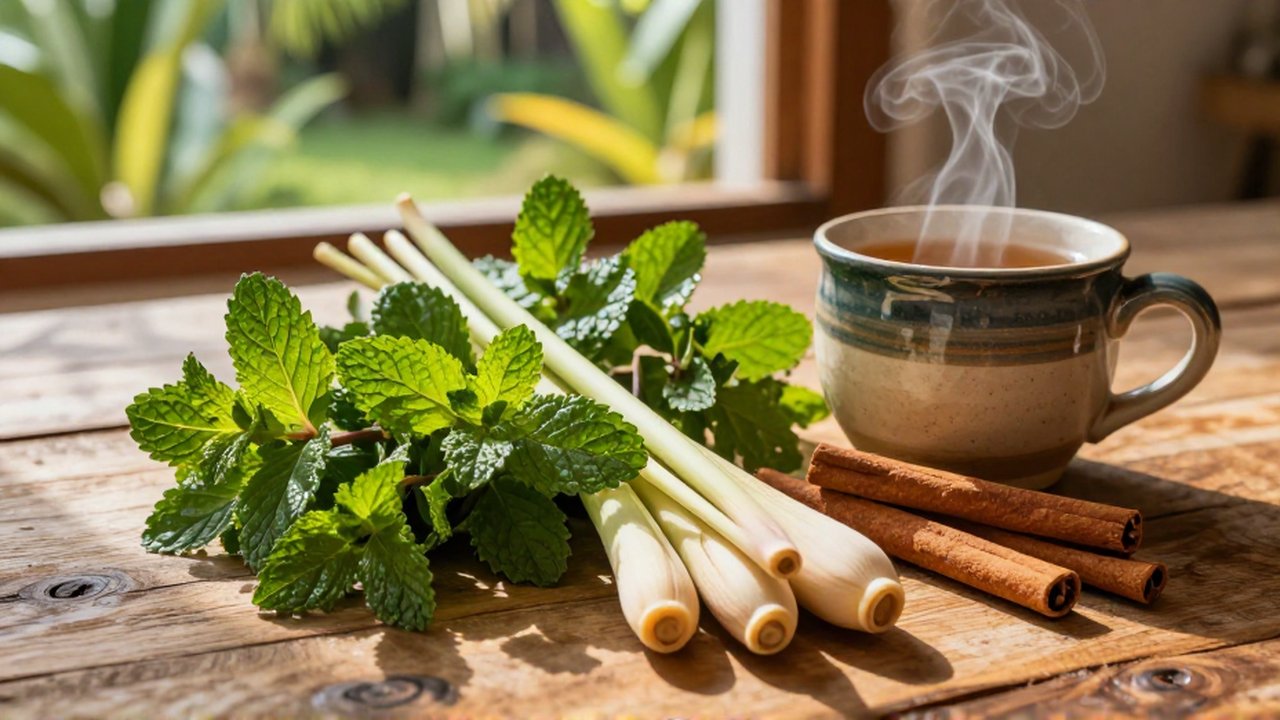
Mint (Yerba Buena) is another essential component. Unlike the peppermint common in some other regions, the varieties found in the Caribbean often have a sweeter, more intense profile. Mint infusions are frequently consumed cold to provide an immediate cooling sensation, making them perfect for the humid tropical climate.
Lemon Verbena (Limoncillo or Hierba Limón) is an indispensable herb in the Dominican pantry. It possesses a potent citrus fragrance that is both refreshing and calming. It is often used as a standalone infusion or blended with other herbs to add a bright, acidic note to the brew.
Roots and spices for medicinal purposes
Beyond leaves, the Dominican tradition utilizes various roots and spices that offer more robust flavors and specific functional benefits.
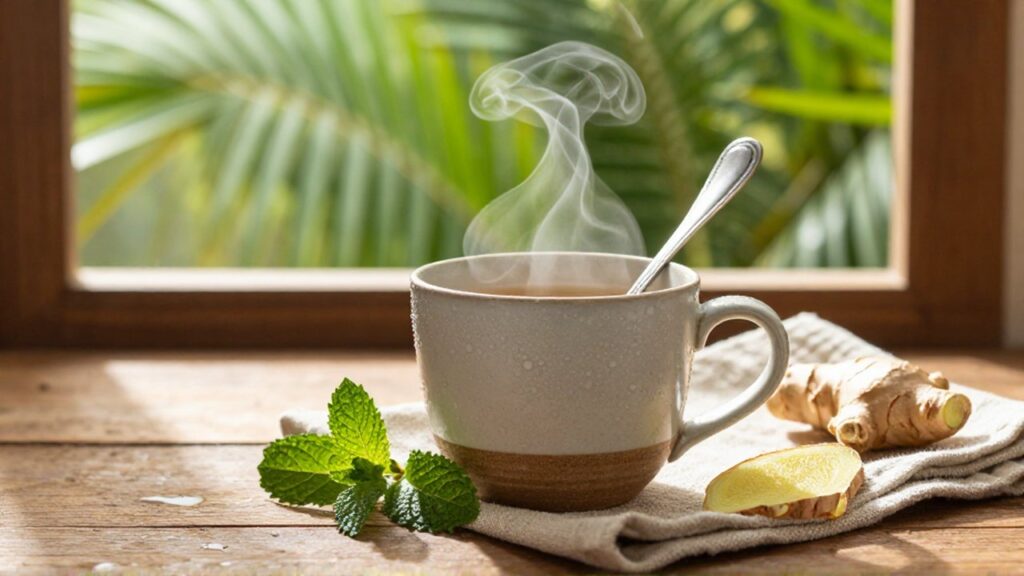
Ginger (Jengibre) is widely used, particularly when a person is feeling under the weather. Its sharp, spicy profile is excellent for warming the body and is often combined with honey and lemon to create a potent soothing drink.
Cinnamon (Canela) is frequently used not just for flavoring desserts, but as a key ingredient in warm infusions. It adds a natural sweetness and a woody depth, often serving as a base for blends that aim to boost circulation or provide a sense of comfort.
Turmeric (Cúrcuma), though gaining global popularity more recently, has long been recognized in local traditions for its vibrant color and earthy taste. It is often integrated into infusions when a more intense, grounding flavor is desired.
Common combinations and flavor profiles
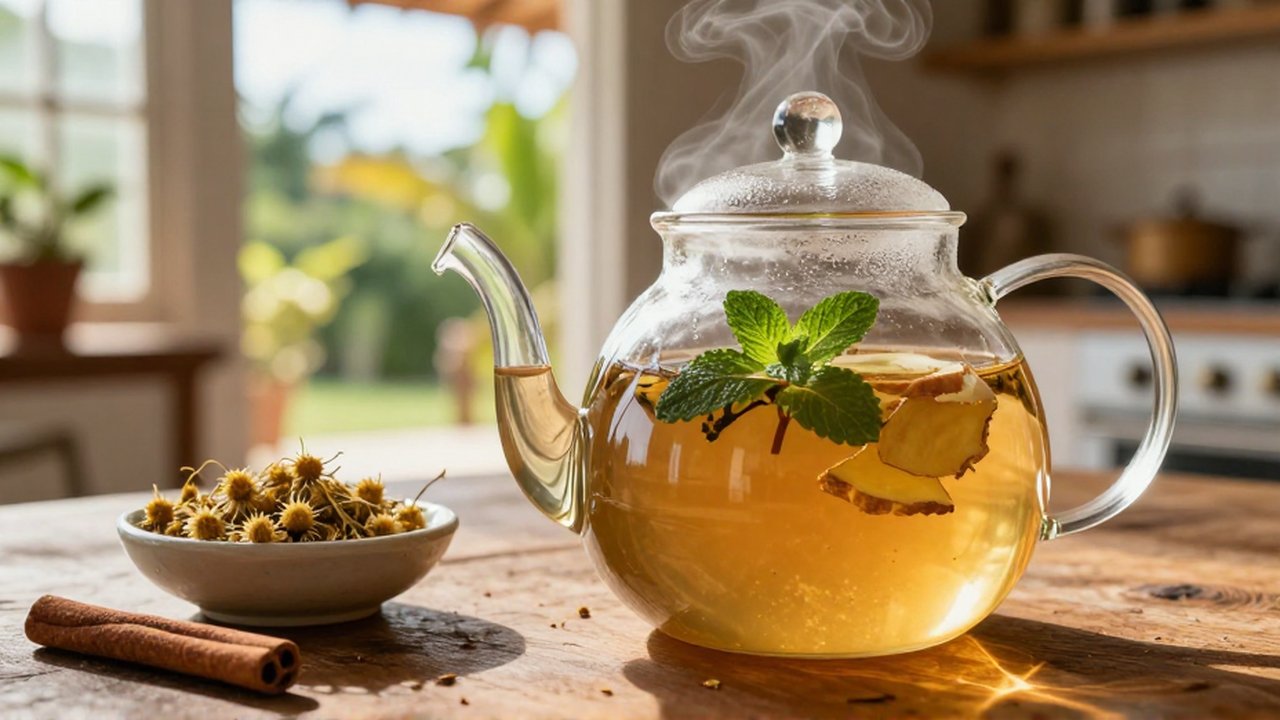
Dominican infusions are rarely limited to a single ingredient. The art of preparation often involves blending different elements to balance flavor and maximize the sensory experience.
- Digestive Blends: These typically combine mint with lemon verbena or ginger to help settle the stomach after meals.
- Relaxation Blends: A mixture of chamomile and lemon verbena is a classic choice for reducing stress and preparing for rest.
- Refreshing Blends: For hot afternoons, a combination of iced mint, lemongrass, and perhaps a touch of honey provides a hydrating and fragrant beverage.
Preparation tips for the best results
To extract the full essence of these ingredients, the method of preparation is crucial. For delicate leaves like chamomile or mint, it is best to avoid boiling the herbs directly in the water, as this can extract bitter tannins and destroy the volatile oils responsible for the aroma. Instead, the ideal method is to bring the water to a boil, remove it from the heat, and then add the herbs to steep.
For harder ingredients like ginger or cinnamon sticks, a decoction method is more effective. This involves simmering the roots or spices in the water for several minutes to ensure the flavors and beneficial compounds are fully released.
Frequently asked questions
Can these infusions be consumed cold? Yes, many Dominican infusions, especially those containing mint or lemon verbena, are frequently served iced to provide refreshment during the hot daytime hours.
How long should I steep herbal leaves? For most leaves and flowers, steeping for 5 to 10 minutes is usually sufficient to achieve a balanced flavor without bitterness.
Is it better to use fresh or dried herbs? Both are effective. Fresh herbs tend to have a more vibrant, immediate aroma, while dried herbs are more convenient for storage and often provide a more concentrated flavor profile.
What is the most common use for lemon verbena in the DR? It is primarily used as a refreshing, citrusy tea that serves both as a digestive aid and a relaxing beverage.
Leave a Reply