How to prepare Dominican style boiled corn

Introduction
Boiled corn, known in the Dominican Republic as maíz hervido, is a beloved staple that serves as both a comforting snack and a nutritious side dish. Unlike the sweet corn varieties often found in canned goods, this preparation typically utilizes fresh, starchy corn on the cob, which is boiled until it reaches a tender yet substantial texture. This dish is deeply rooted in Caribbean culinary traditions, providing a natural source of energy and fiber that has been enjoyed across the island for generations.
Preparing this dish is an essential skill for anyone wanting to experience authentic Dominican flavors. It is most commonly enjoyed during the afternoon as a light snack or as part of a larger breakfast spread. Because it relies on minimal ingredients, the quality of the corn and the timing of the boiling process are the most critical factors in achieving the perfect result. Mastering this technique ensures you can recreate a taste of the tropics in your own kitchen.
Essential ingredients for authentic flavor
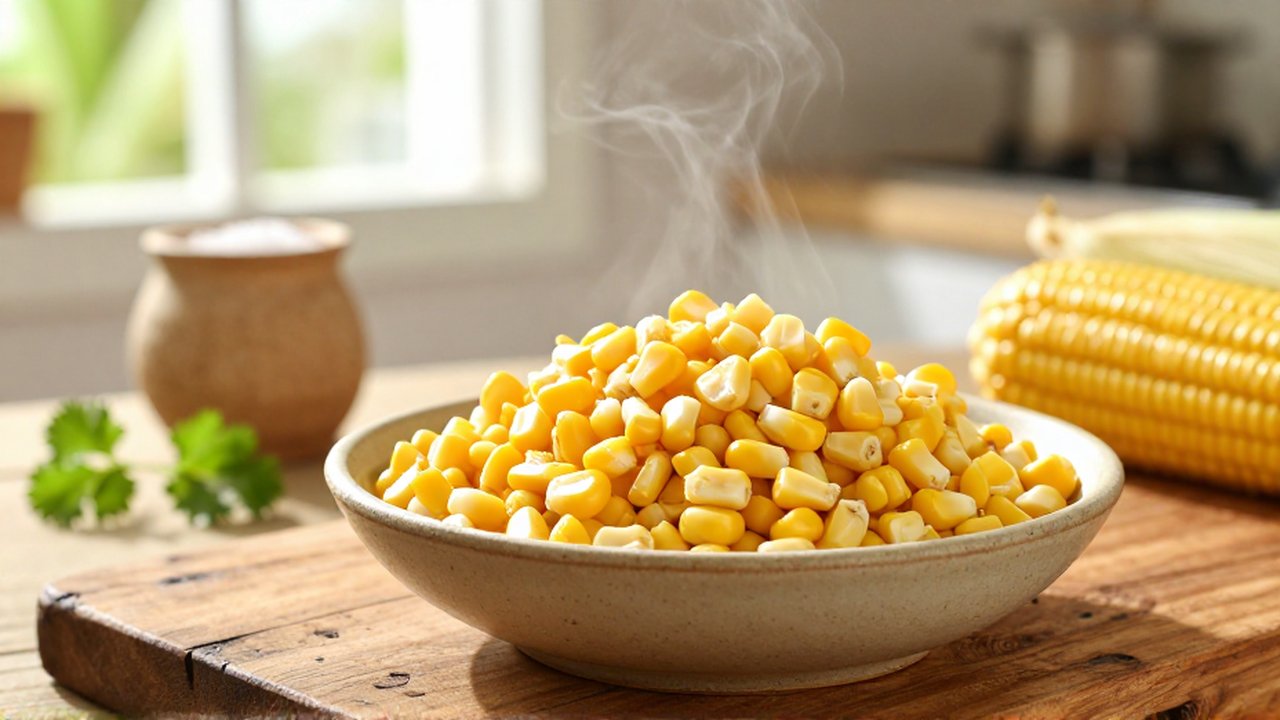
To achieve the true Dominican flavor profile, you must focus on the freshness of the ingredients. The goal is to enhance the natural sweetness of the corn rather than masking it with heavy sauces.
- Fresh Corn on the Cob: Look for ears that are plump and have bright, moist kernels. In the Dominican Republic, seasonal corn is preferred for its superior starch content.
- Water: Sufficient quantity to fully submerge the corn prevents uneven cooking.
- Salt: Essential for drawing out the flavor of the kernels.
- Optional Additions: Some households add a small piece of onion or a clove of garlic to the boiling water to add a subtle aromatic depth, though purists often prefer just salt.
Step by step preparation process
Preparing boiled corn is a straightforward process, but it requires attention to the texture of the kernels to avoid undercooking or overcooking them into a mushy state.
First, begin by cleaning the corn. Remove the outer green husks and the fine silk threads from the cob. It is helpful to rinse the ears under cold running water to ensure all debris is removed.
Second, place the cleaned corn in a large pot. Pour in enough water to cover the cobs by at least two inches. Add a generous pinch of salt to the water. If you are using aromatic additions like garlic or onion, add them at this stage.
Third, bring the water to a rolling boil over medium-high heat. Once the water is boiling, reduce the heat to a simmer. This ensures the corn cooks through to the center of the cob without the outer kernels becoming overly soft. The simmering time generally ranges from 15 to 30 minutes, depending on the age and freshness of the corn.
Finally, test the corn by piercing a kernel with a fork; it should be tender and easy to bite through. Once cooked, drain the water immediately. You can serve the corn hot directly from the pot or allow it to reach room temperature.
Best ways to serve boiled corn
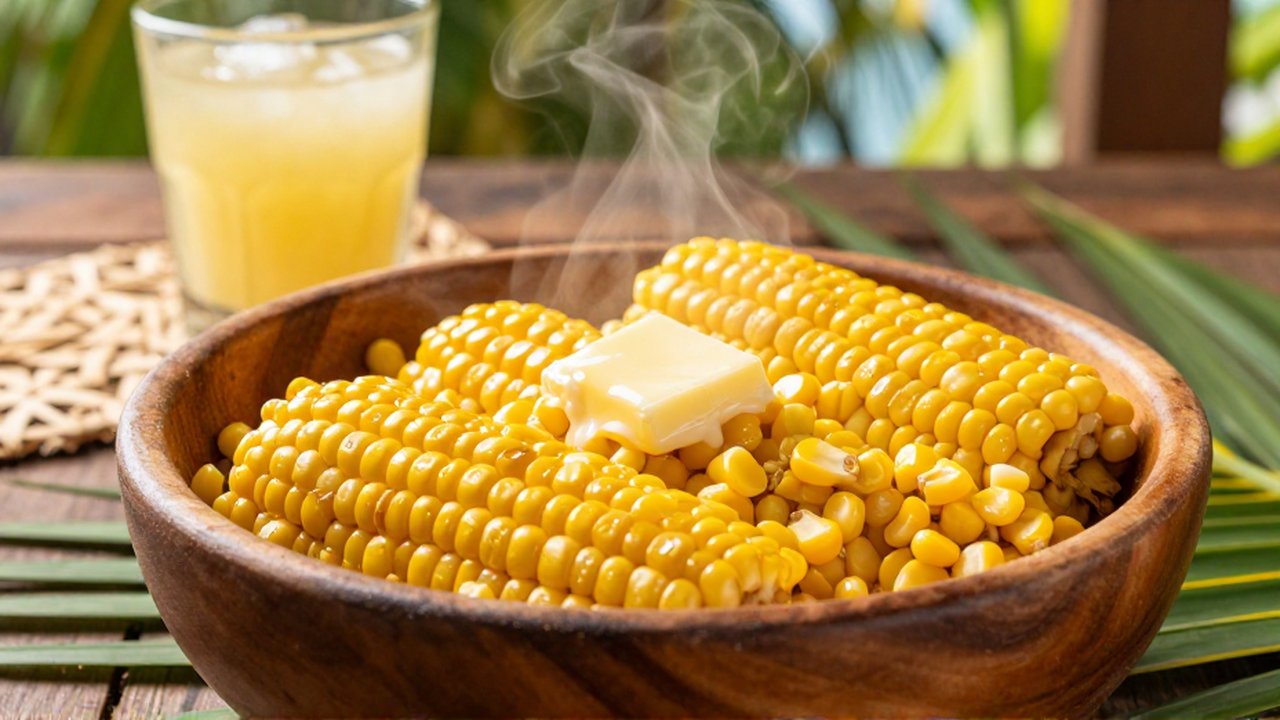
In Dominican culture, boiled corn is versatile. While it is delicious on its own, there are several traditional ways to elevate the experience:
- With Butter and Salt: A classic approach where a small amount of butter is rubbed onto the hot kernels to add richness.
- With Cheese: Serving the corn alongside pieces of salty white cheese, such as queso fresco, creates a wonderful contrast of flavors.
- As a Side Dish: It can accompany protein-heavy meals to provide a starchy balance to the plate.
Common mistakes to avoid
One of the most frequent errors is using corn that is too old. If the kernels look wrinkled or feel soft to the touch, they will likely be tough and woody even after long boiling times. Always prioritize the freshest produce available.
Another common mistake is overcooking the corn. While it may be tempting to boil it for a long time to ensure softness, excessive heat can cause the kernels to burst and lose their structural integrity. Keep a close eye on the texture during the final ten minutes of cooking. Additionally, do not salt the water too heavily at the beginning; it is better to season the corn lightly during boiling and add more salt later if needed.
Frequently asked questions
Can I use frozen corn for this recipe? While you can boil frozen corn, it will not have the same texture or flavor as fresh corn on the cob. Frozen kernels are usually cut off the cob, which changes the eating experience and the way they absorb flavors.
How do I know when the corn is perfectly cooked? The corn is ready when the kernels are plump and tender. If you bite into a kernel and it feels "crunchy" or hard in the center, it needs a few more minutes of simmering.
Can I prepare this corn in advance? Yes, you can boil the corn ahead of time. However, to maintain the best texture, it is recommended to store it in the refrigerator and reheat it by steaming or briefly boiling it again before serving.
Why is my corn too tough even after boiling? Toughness usually indicates that the corn was harvested too late in its season, meaning the starch has already begun to harden. Using younger, fresher corn will solve this issue.
Leave a Reply