
Popular Dominican fruit salads featuring fresh mango
Introduction
In the Dominican Republic, mango is much more than just a seasonal fruit; it is a staple of tropical life that defines the flavor profile of the islands. Mango fruit salads are a fundamental part of the local culinary identity, offering a refreshing and hydrating way to enjoy the bounty of the archipelago. These preparations are essential during the warm Caribbean months, serving as both a nutritious snack and a revitalizing dessert that brings together various textures and natural sweetness.
As a culinary centerpiece, these salads are used in various contexts, from quick breakfasts to light poolside refreshments. The versatility of the mango allows it to act as a base, a sweetener, or a bright acidic note depending on how it is paired with other local fruits. Understanding how to combine these ingredients is key to mastering the art of Dominican fruit combinations, ensuring that every bite captures the essence of the tropical sun.
Essential mango varieties for tropical salads
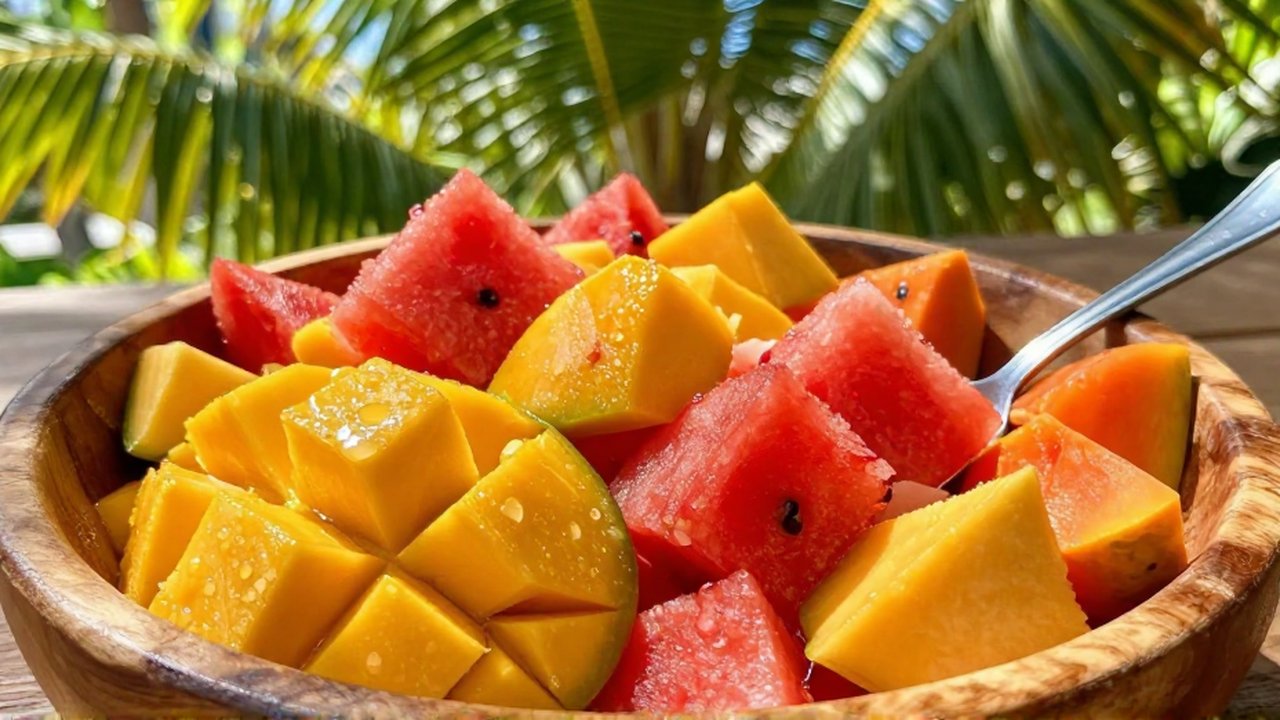
To create an authentic Dominican fruit salad, one must understand the different types of mangoes available. Not all mangoes provide the same experience, and the variety chosen will change the texture and sweetness of the final dish.
- Mango Banilejo: Perhaps the most iconic variety in the country, these are known for their intense aroma and sweet, fiberless flesh. They are perfect for salads where the mango is the undisputed star.
- Mango Hilacha: A more fibrous variety that, while less common in gourmet salads, is frequently used in local street-style fruit preparations where a bit of texture is welcomed.
- Mango Biche: Often used when the fruit is slightly underripe, providing a tart, firm component that balances very sweet fruits like papaya or pineapple.
Traditional combinations and flavors
Dominican fruit salads rely on the principle of balancing sweetness, acidity, and creaminess. While a simple bowl of sliced mango is common, most households prefer a medley of textures.
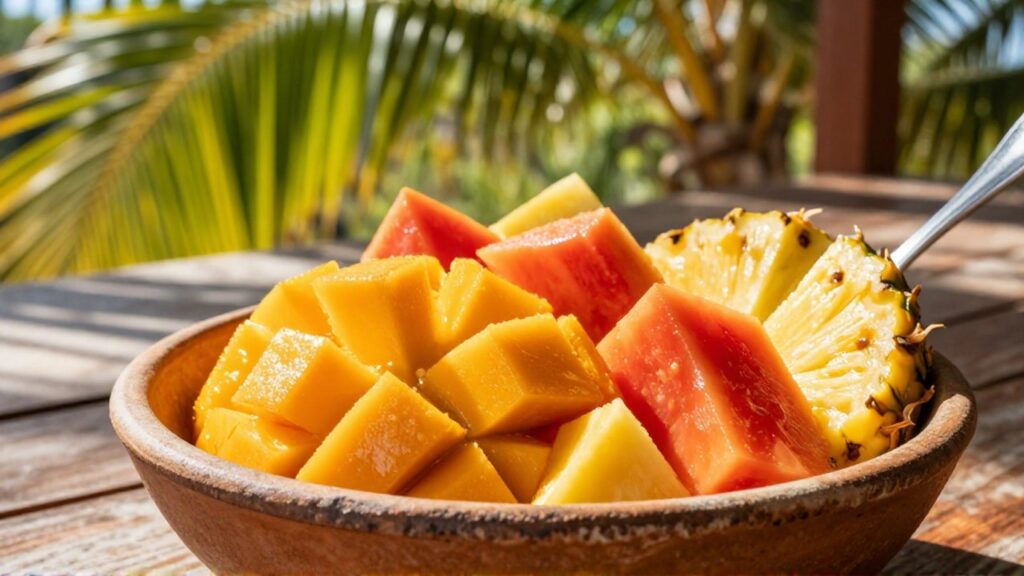
The most popular combinations involve mixing mango with other island staples such as papaya (lechosa), pineapple (piña), and watermelon (patilla). The creamy softness of the papaya serves as a wonderful counterpoint to the juicy, succulent slices of mango. For those who prefer a more complex flavor profile, adding segments of citrus, such as lime or orange, can enhance the natural sugars of the mango.
In some regions, a "creamy" version of the fruit salad is prepared. This is achieved by adding a splash of evaporated milk or coconut milk over the fruit. This method transforms a light snack into a more substantial, dessert-like experience that is particularly popular during family gatherings or festive celebrations.
Preparation tips for the perfect fruit salad
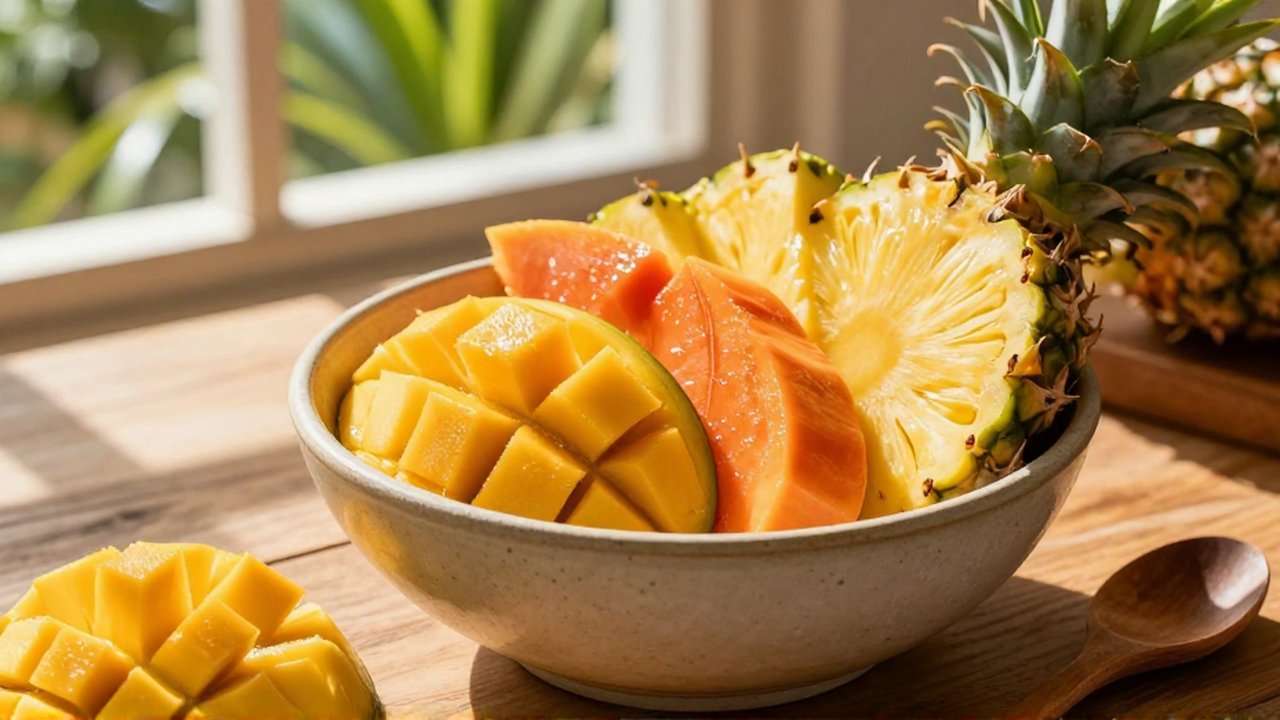
Achieving the best results requires attention to the ripeness of the fruit and the method of cutting. A well-constructed salad should offer a variety of mouthfeels rather than a uniform mushiness.
| Component | Role in the Salad | Best Preparation Method |
|---|---|---|
| Mango | The Sweet Base | Sliced into uniform cubes or long wedges |
| Acidic Fruits | The Flavor Balancer | Small chunks of pineapple or segments of lime |
| Fibrous Fruits | The Texture Provider | Diced papaya or melon |
| Liquids | The Binder | A drizzle of honey, coconut milk, or lime juice |
To avoid common mistakes, ensure that all fruits are chilled before assembly. Serving a fruit salad at room temperature can diminish the refreshing quality that defines Dominican fruit dishes. Additionally, avoid adding salt or sugar too far in advance; adding these right before serving prevents the fruit from releasing too much juice and becoming watery.
Common mistakes to avoid
One frequent error is using mangoes that are either too hard or too soft. An overripe mango will disintegrate when mixed with other fruits, turning the salad into a purée rather than a composed dish. Conversely, a mango that is too green may be unpleasantly astringent. Aim for fruit that is yielding to gentle pressure but still holds its shape.
Another mistake is the lack of acidity. Because tropical fruits like mango and papaya are high in sugar, the salad can sometimes feel "heavy" on the palate. A squeeze of fresh lime juice is the most effective way to brighten the flavors and provide a clean finish to the dish.
Frequently asked questions
Can I use frozen mango for these salads? While fresh mango is highly recommended for the best texture and aroma, frozen mango can be used. If using frozen fruit, allow it to thaw completely in the refrigerator before mixing it with other fresh fruits to prevent excess water from pooling.
How long does a mango fruit salad last in the refrigerator? Fruit salads are best consumed shortly after preparation. Due to the natural juices released by the mango and papaya, the salad may become watery after 24 hours. For maximum freshness, consume within a few hours.
Is it better to use sweet or tart mangoes? The best results come from a balance. Using a very sweet mango like the Banilejo provides the core flavor, while incorporating a slightly firmer, tangier fruit adds necessary structure and prevents the salad from being cloyingly sweet.
Leave a Reply