
Steps to prepare creamy Dominican Habichuelas Guisadas
Introduction
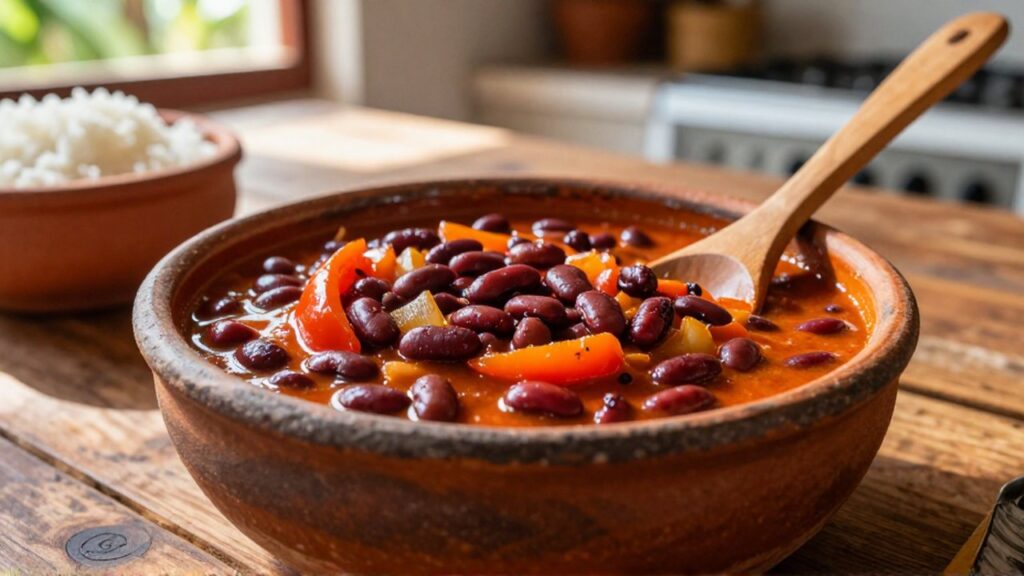
Habichuelas Guisadas, or Dominican stewed beans, are a cornerstone of Caribbean cuisine and a fundamental component of the traditional "La Bandera" meal. This comforting dish consists of legumes simmered in a rich, savory sauce enriched with aromatics, vegetables, and spices. It serves as a primary source of protein and fiber in Dominican households, providing a satisfying texture that balances perfectly with white rice and fried plantains.
Mastering this recipe is essential for anyone looking to replicate the authentic flavors of the Dominican Republic. Whether you are preparing a quick weekday lunch or a festive Sunday dinner, these beans offer a versatile base that can be adapted to various dietary preferences. Achieving the signature creamy consistency requires a specific technique involving the gradual release of starches and the careful emulsification of the sauce.
Essential ingredients for authentic flavor
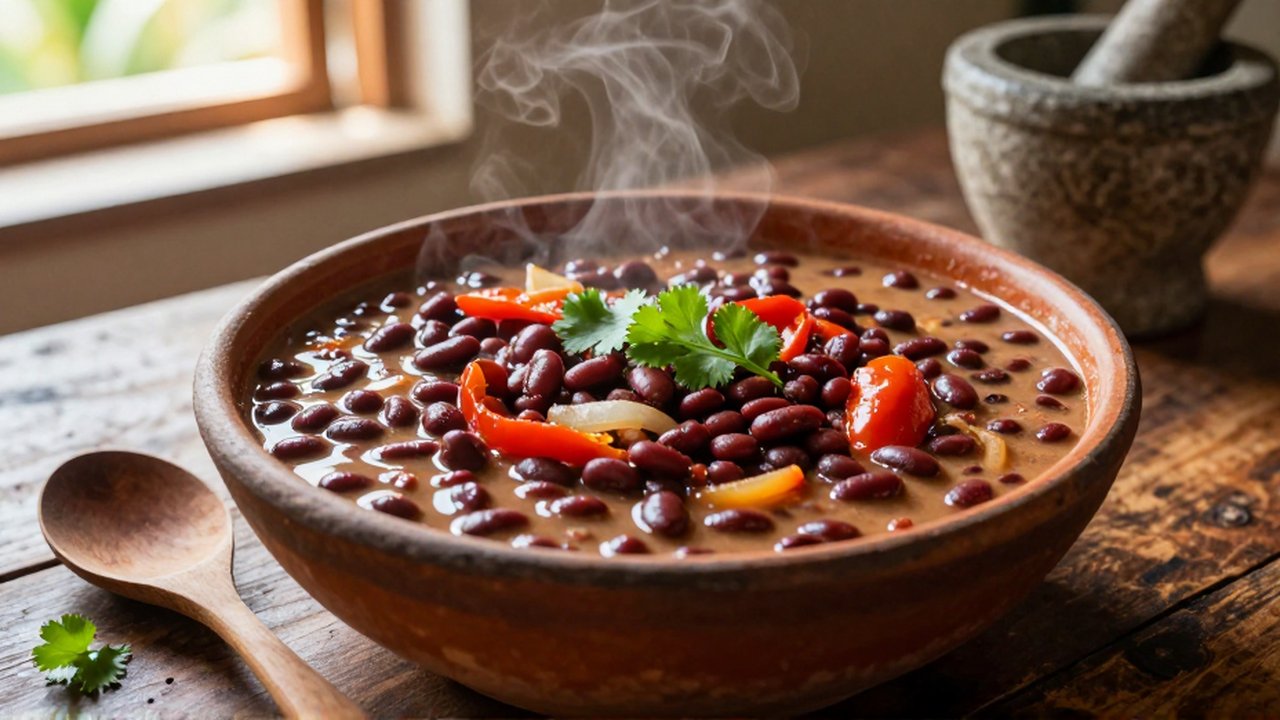
To achieve the deep, soulful flavor characteristic of Dominican cooking, you must start with high-quality ingredients. While the recipe is flexible, certain components are non-negotiable for authenticity.
The foundation begins with dried beans, typically red or kidney beans, which provide the necessary starch for creaminess. For the base flavors, you will need a "sofrito" style combination involving finely diced onions, bell peppers, and garlic. Traditional recipes often incorporate tomato paste or crushed tomatoes to create a thick, reddish sauce.
Seasonings play a crucial role in defining the profile. Common additions include oregano, salt, pepper, and a touch of cumin. Many cooks also include small pieces of smoked meat, such as bacon or ham, to infuse the broth with a savory depth. If you prefer a vegetarian version, you can omit the meat and increase the use of aromatic vegetables like cilantro and olives to maintain complexity.
Preparation steps for creamy beans
The process of making Habichuelas Guisadas is divided into two main phases: preparing the beans and developing the sauce.
1. Soaking and boiling the beans If using dried beans, soak them overnight in plenty of water to reduce cooking time and improve digestibility. Drain the soaking water, place the beans in a large pot, and cover them with fresh water. Bring to a boil, then lower the heat and simmer until the beans are tender but not falling apart. Do not add salt at this stage, as it can toughen the skins; instead, wait until the beans are nearly soft.
2. Creating the flavor base In a separate pan, sauté your diced onions, bell peppers, and garlic in oil until they are soft and fragrant. Add the tomato paste and seasonings, stirring constantly to cook out the raw acidity of the tomato. This is the moment to add any smoked meats or olives if you are using them.
3. Combining and thickening Once the base is fragrant, add the cooked beans along with a portion of their cooking liquid into the pan with the sofrito. Simmer the mixture together on medium-low heat. To achieve a creamy texture, take a small ladle of the beans and a little liquid, blend them (or mash them with a fork), and stir them back into the pot. This technique releases the natural starches, thickening the sauce without needing flour.
4. Final seasoning Allow the stew to reduce until it reaches your desired consistency. The sauce should be thick enough to coat a spoon, not watery. Taste and adjust salt and pepper during the final five minutes of cooking.
Common mistakes to avoid
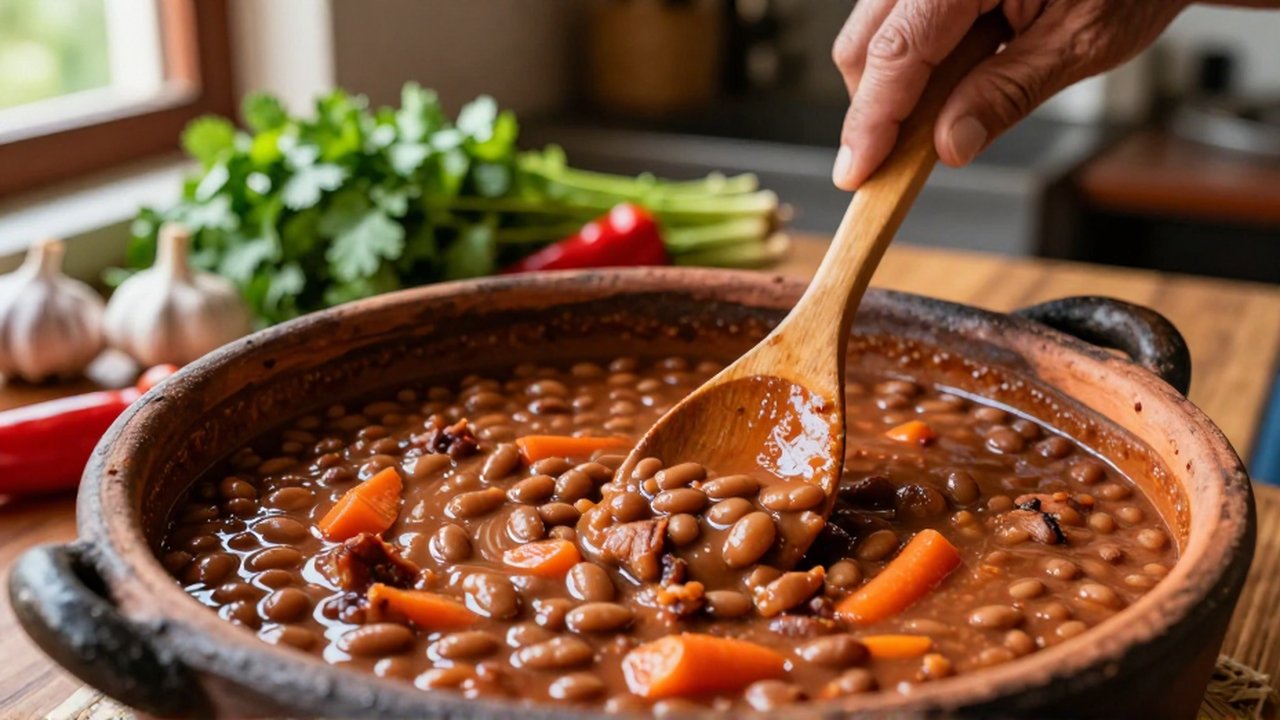
Achieving perfection with Habichuelas Guisadas requires attention to detail. One of the most frequent errors is adding salt too early in the boiling process, which can result in beans that remain hard despite long cooking times.
Another common mistake is undercooking the aromatics. If the onions and peppers are simply heated rather than sautéed until soft, the final dish may have a raw, sharp taste that disrupts the creamy harmony of the sauce. Additionally, avoid rushing the reduction phase; if the sauce is too thin, the dish will feel more like a soup than a hearty stew. If you find your beans are too watery, continue simmering with the lid off to allow evaporation.
Comparison of bean types
Different beans provide different textures and visual results for your stew.
| Bean Type | Texture Contribution | Flavor Profile | Best Use |
|---|---|---|---|
| Red Kidney Beans | Very creamy and soft | Mild and nutty | Traditional Dominican style |
| Pink Beans | Smooth and velvety | Slightly sweet | Delicate stews |
| Black Beans | Robust and firm | Earthy | For a darker, thicker sauce |
Frequently asked questions
Can I use canned beans instead of dried? Yes, canned beans are a convenient shortcut. However, they are already cooked and seasoned, so you must be careful with added salt. Skip the long boiling phase and go straight to sautéing your aromatics, then add the canned beans and a little water to simmer and thicken.
How do I make these beans vegetarian? To maintain the richness without meat, use a vegetable broth instead of water and add an extra tablespoon of tomato paste. Using smoked paprika can also mimic the smoky flavor typically provided by bacon or ham.
How long do leftover beans last in the refrigerator? Habichuelas Guisadas keep well in an airtight container for up to 4 or 5 days. Because the starch continues to settle, the sauce may thicken significantly when cold; simply add a splash of water when reheating to restore the creamy consistency.
Leave a Reply