
Tips for roasting meat using banana leaves
Introduction
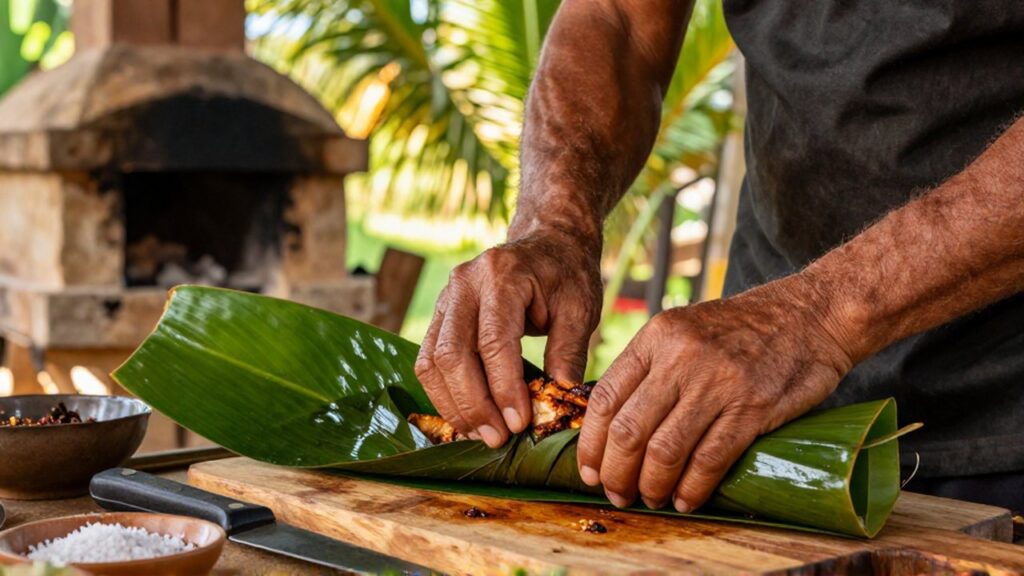
Roasting meat wrapped in banana leaves is a traditional cooking method deeply rooted in tropical culinary cultures, including the Dominican Republic. This technique uses the large, flexible leaves as a natural parchment, creating a pressurized environment that steams and roasts the meat simultaneously. By sealing the juices and aromatics inside the leaf, the meat remains incredibly tender, infused with a subtle, earthy fragrance that is impossible to replicate with modern aluminum foil.
This method is particularly appropriate for tougher cuts of meat or large roasts that require slow, moist heat to break down connective tissues. It is a centerpiece technique for festive gatherings, outdoor barbecues, or slow-cooked Sunday lunches. Mastering this art allows you to elevate simple ingredients into sophisticated, flavor-packed dishes that honor heritage while providing a unique sensory experience for your guests.
Benefits of using banana leaves for roasting
The primary advantage of using banana leaves is the ability to lock in moisture. When meat is roasted uncovered, much of the liquid evaporates, which can lead to dryness. The leaf acts as a biological barrier, trapping steam and natural fats inside the bundle. This results in meat that is succulent and self-basting.
Beyond moisture retention, the leaves contribute a delicate, grassy aroma to the food. As the heat rises, the oils within the leaf are released, subtly seasoning the meat with an organic scent. Additionally, the leaves provide even heat distribution. They act as a buffer between the direct heat source and the meat, preventing the exterior from scorching before the interior is fully cooked.
Preparing the leaves for cooking
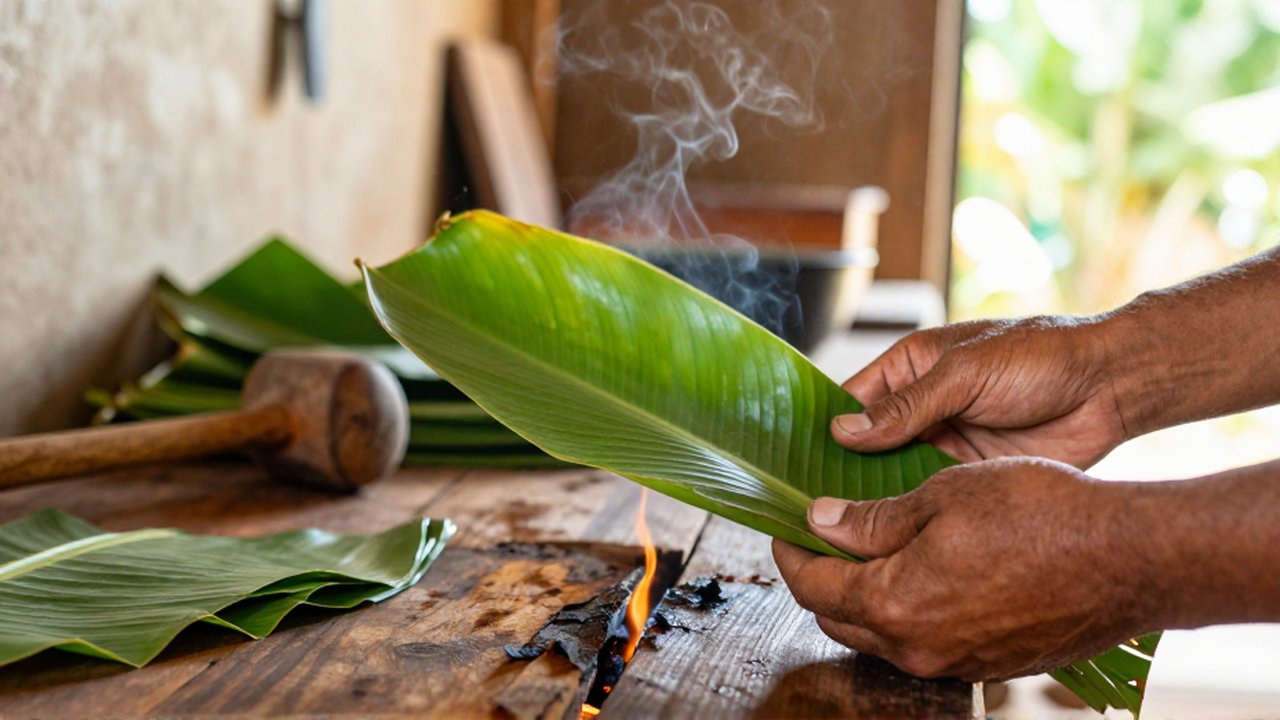
You cannot use banana leaves straight from the tree or the refrigerator without preparation, as they are often stiff and prone to cracking. To make them pliable and functional for wrapping, you must heat them. The most effective way to do this is by passing them quickly over an open flame or a very hot skillet.
As the leaf warms, it will change color slightly and become soft and flexible. This "wilting" process is crucial; if the leaf is not supple, it will tear when you try to fold it around a heavy piece of meat. Once heated, wipe the leaves with a clean, damp cloth to remove any dust or debris. Ensure you use the smooth side of the leaf facing the meat to maximize the infusion of flavor and minimize the texture of the leaf fibers on the food.
Essential steps for wrapping meat
To achieve the best results, follow a structured process when assembling your roast. This ensures the steam remains trapped throughout the duration of the cooking process.
- Layering: Always use two layers of leaves if possible. Overlap them to create a larger, seamless surface area that can accommodate the size of your roast.
- Seasoning: Season your meat generously before wrapping. Since the leaf creates a closed environment, the spices and marinades will concentrate rather than evaporate.
- Securing the bundle: Use natural twine or long strips of banana leaf to tie the package tightly. A loose wrap allows steam to escape, which defeats the purpose of the technique.
- Orientation: Place the meat in the center of the leaves, ensuring there is enough room to fold the edges over completely, creating a sealed pouch.
Common mistakes to avoid
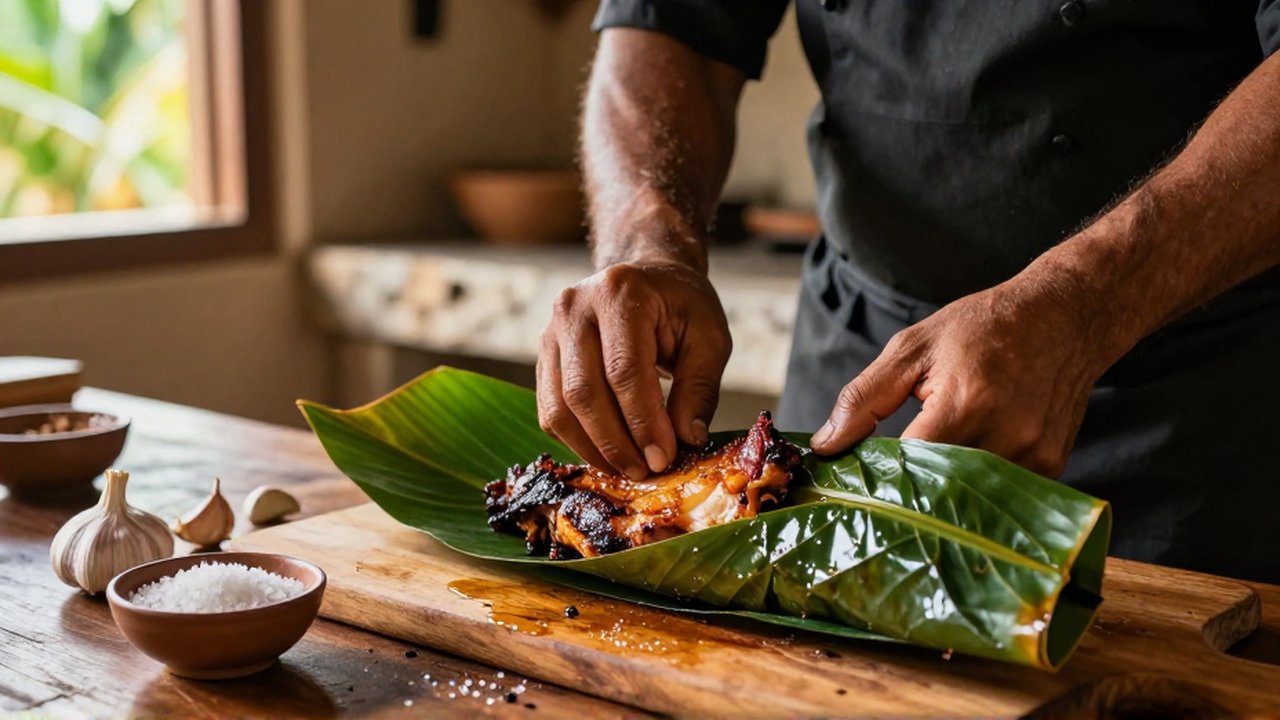
One of the most frequent errors is failing to seal the package airtight. If steam leaks out, the meat will undergo traditional roasting (dry heat) rather than the desired combination of roasting and steaming, potentially leading to a tough texture. Always double-check your knots and folds.
Another mistake is using leaves that are too small or too thin. While you can overlap leaves, using very thin or damaged leaves increases the risk of puncturing during the roasting process. Finally, do not skip the heating step. Attempting to wrap meat in cold, stiff leaves often leads to jagged tears that compromise the integrity of the roast.
Comparison of wrapping materials
| Feature | Banana Leaves | Aluminum Foil | Parchment Paper |
|---|---|---|---|
| Flavor Contribution | Subtle, earthy aroma | Neutral | Neutral |
| Moisture Retention | High (steaming effect) | High | Moderate |
| Flexibility | High (after heating) | High | Low |
| Environmental Impact | Biodegradable | Recyclable/Non-biodegradable | Biodegradable/Compostable |
Frequently asked questions
Can I use frozen banana leaves? Yes, frozen leaves are widely available and work perfectly. Simply thaw them completely and follow the heating process to restore their flexibility before wrapping the meat.
How do I know when the meat is finished cooking? Because the meat is encased in a leaf, you cannot see the color of the meat directly. It is best to use a meat thermometer inserted through the side of the leaf or rely on the recommended cooking time for the specific cut of meat.
Do I eat the leaf with the meat? No, the banana leaf serves as a cooking vessel and a serving platter. Once the roast is cooked, you peel back the leaves and serve the meat directly from the leaf or transfer it to a plate.
Can I use this method in a standard oven? Absolutely. While this technique is famous for outdoor grilling, it works exceptionally well in a conventional oven. The oven provides a steady, controlled heat that is ideal for slow-roasting large bundles.
Leave a Reply