
Step by step guide to making croquetas dominicanas
Introduction
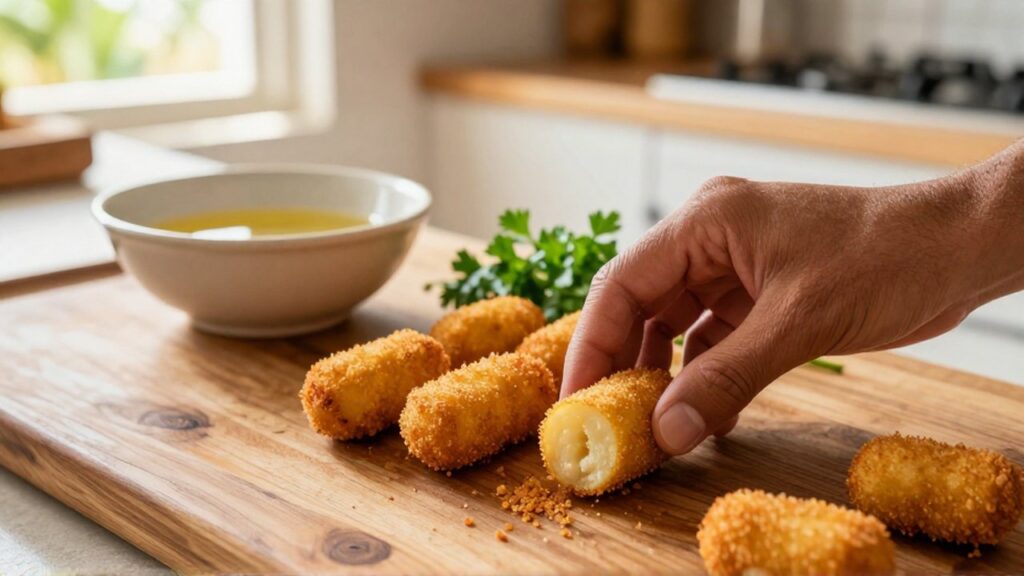
Croquetas dominicanas are a beloved staple of Dominican cuisine, serving as the ultimate comfort food for gatherings, parties, and casual snacks. These golden, crispy fritters consist of a creamy, seasoned base—traditionally made with a thick béchamel or a mashed root vegetable mixture—combined with savory proteins like ham, chicken, or cod. They are prized for their contrasting textures: a crunchy exterior that gives way to a soft, melt-in-your-mouth center.
Mastering this recipe allows you to bring a taste of the Caribbean into your own kitchen. Whether you are looking to impress guests at a cocktail hour or simply want a delicious homemade appetizer, these croquettes offer a versatile canvas for various flavors. Because they can be prepared in large batches and frozen, they are a practical and highly rewarding addition to any home cook's repertoire.
Essential ingredients for authentic flavor
To achieve the perfect consistency and taste, you need to focus on three main components: the creamy base, the protein, and the breading. While there are variations involving mashed plantains or yuca, the most classic version uses a rich white sauce (béchamel) to create that signature velvety interior.
For the creamy base, you will need high-quality butter, all-purpose flour, and whole milk. The seasoning is where the Dominican identity shines; do not skip the garlic, onion, and a touch of salt and pepper. For the protein, finely diced ham is the most traditional choice for breakfast or brunch snacks, but shredded chicken or flaked salt cod are excellent alternatives.
The breading process requires eggs and breadcrumbs. For a superior crunch, use fine breadcrumbs or even Panko. Ensure your protein is finely minced or shredded so that it integrates seamlessly with the sauce, preventing the croquettes from breaking apart during frying.
Preparation of the creamy base
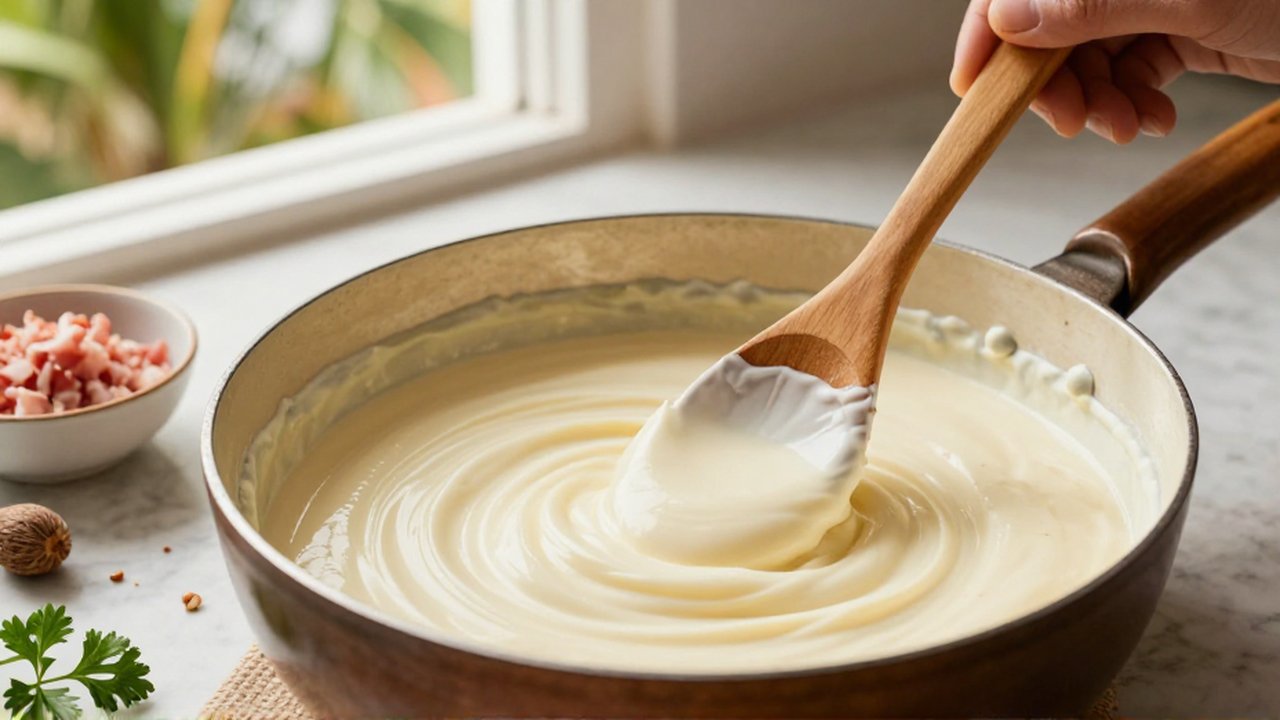
The success of your croquetas depends entirely on the texture of your base. If it is too runny, the croquettes will fall apart in the oil; if it is too dry, they will lack that luxurious mouthfeel.
- Start by making a roux: Melt butter in a heavy-bottomed saucepan over medium heat and whisk in equal parts flour. Cook this mixture for a few minutes to remove the raw flour taste without letting it brown.
- Slowly incorporate the milk. This is the most critical step. Add the milk in small splashes, whisking constantly and vigorously to prevent lumps from forming.
- Continue cooking and stirring until the mixture thickens significantly. It should be much thicker than a standard soup; it needs to hold its shape.
- Season the mixture with sautéed garlic, finely minced onions, and salt. Once the base is thick and smooth, remove it from the heat and fold in your chosen protein.
- Spread the mixture onto a flat tray and let it cool completely, ideally in the refrigerator. This chilling phase is mandatory to make the dough manageable for shaping.
Shaping and breading technique
Once the mixture is cold and firm, you can begin the shaping process. Working with a chilled dough makes it much easier to handle and prevents your hands from getting too messy.
Use a tablespoon or a small cookie scoop to portion the mixture. Roll the portions between your palms to create uniform cylinders or spheres. Consistency in size is important, as it ensures that all croquetas cook at the same rate.
After shaping, follow the standard breading procedure:
- First, roll the croquette in flour to dry the surface slightly.
- Second, dip it into a bowl of beaten eggs.
- Third, coat it thoroughly in breadcrumbs, pressing lightly so the crumbs adhere well.
For an extra-crispy layer, some cooks prefer a double coating: dip the croquette in egg and breadcrumbs a second time. This creates a thicker shell that protects the delicate interior.
Frying and achieving the perfect crunch
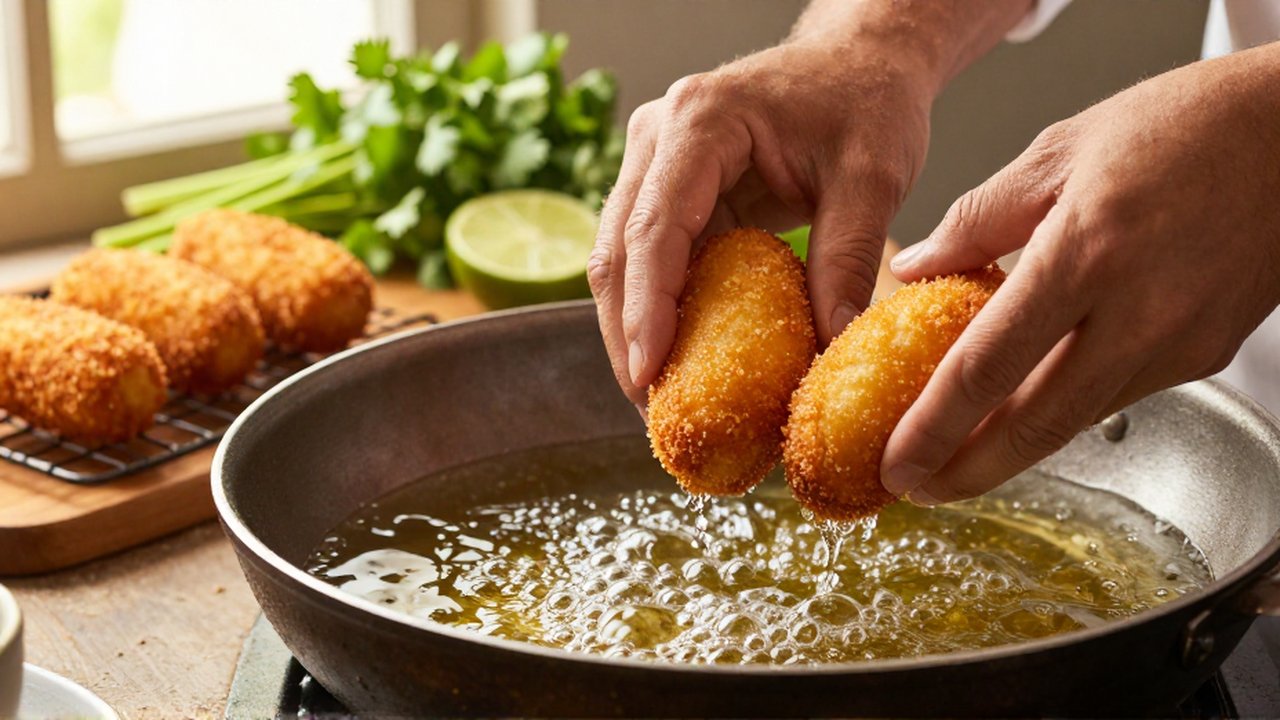
Frying requires patience and temperature control. If the oil is too cold, the croquetas will absorb excessive grease and become heavy. If it is too hot, the outside will burn before the center is heated through.
Heat a neutral oil with a high smoke point in a deep pan or pot. To test the temperature, drop a single breadcrumb into the oil; if it sizzles immediately, the oil is ready. Fry the croquetas in small batches to avoid crowding the pan, which can cause the oil temperature to drop suddenly.
Cook them until they reach a deep golden-brown color. Once finished, transfer them immediately to a plate lined with paper towels to drain any excess oil. Serve them warm, ideally alongside a dipping sauce or a fresh tropical garnish.
Common mistakes to avoid
One of the most frequent errors is attempting to shape the croquetas while the base is still warm. This results in a sticky mess that is nearly impossible to bread properly. Always allow the mixture to chill thoroughly in the refrigerator before proceeding.
Another issue is using a protein that is too chunky. If the pieces of ham or chicken are too large, they will create structural weak points in the croqueta, causing it to burst in the fryer. Always ensure your protein is finely diced or shredded.
Finally, avoid overcrowding the pan during frying. This is a common mistake that leads to greasy, oily appetizers rather than the crispy, light treats you desire.
Frequently asked questions
Can I make these croquetas in advance? Yes, you can prepare the shaped and breaded croquetas a day in advance. Store them in the refrigerator in an airtight container. You can even freeze them after the breading stage; just fry them directly from the freezer, adding a few extra minutes to the cooking time.
How do I prevent the croquetas from breaking in the oil? The main reasons for breaking are a base that is too thin or improper breading. Ensure your béchamel is very thick and that your breading layer is solid and covers the entire surface.
What is the best oil for frying croquetas? Use a neutral oil with a high smoke point, such as vegetable, canola, or sunflower oil. Avoid olive oil for deep frying as it can change the flavor profile and burn more easily at high temperatures.
Can I make a vegetarian version? Absolutely. You can replace the meat with finely chopped sautéed mushrooms, olives, or even cheese to create a delicious vegetarian croqueta.
Leave a Reply