
How to cook crispy Dominican yuca fritters
Introduction
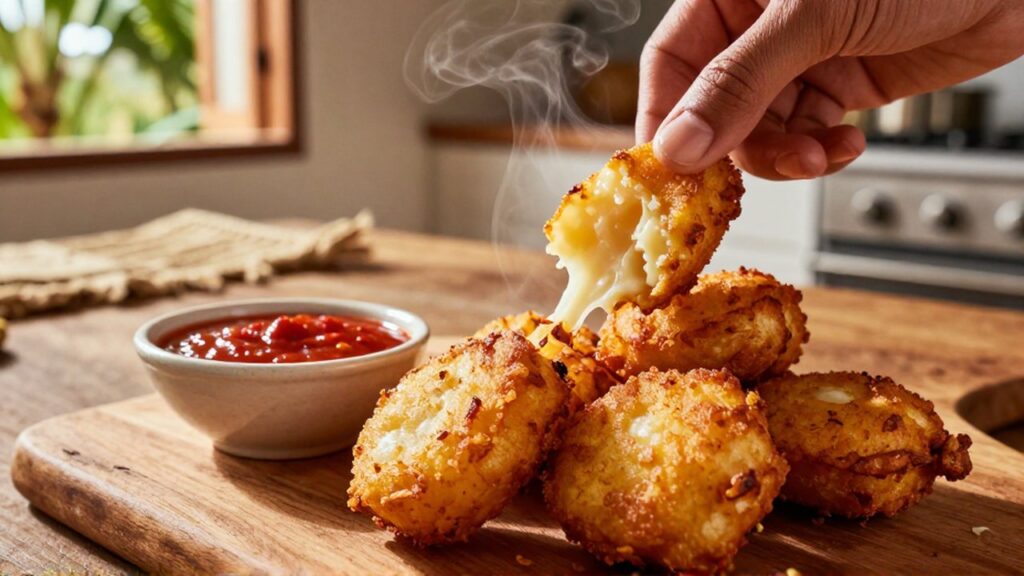
Dominican yuca fritters, often referred to locally as tostones de yuca or simply fried yuca, are a quintessential staple of Caribbean hospitality. These golden, crunchy delights serve as an ideal appetizer or snack, providing a satisfying contrast between a crispy exterior and a creamy, starchy center. Unlike traditional plantain tostones, yuca fritters offer a more substantial texture and a subtle, earthy flavor that pairs beautifully with tropical condiments.
Mastering this recipe allows you to bring a piece of Dominican culinary culture into your own kitchen. Whether you are hosting a festive gathering or looking for a comforting side dish for a lunch of rice and beans, these fritters are highly versatile. Because they are made from a root vegetable that is widely available, they represent an accessible yet impressive way to showcase Caribbean flavors using simple ingredients and traditional techniques.
Essential ingredients for yuca fritters
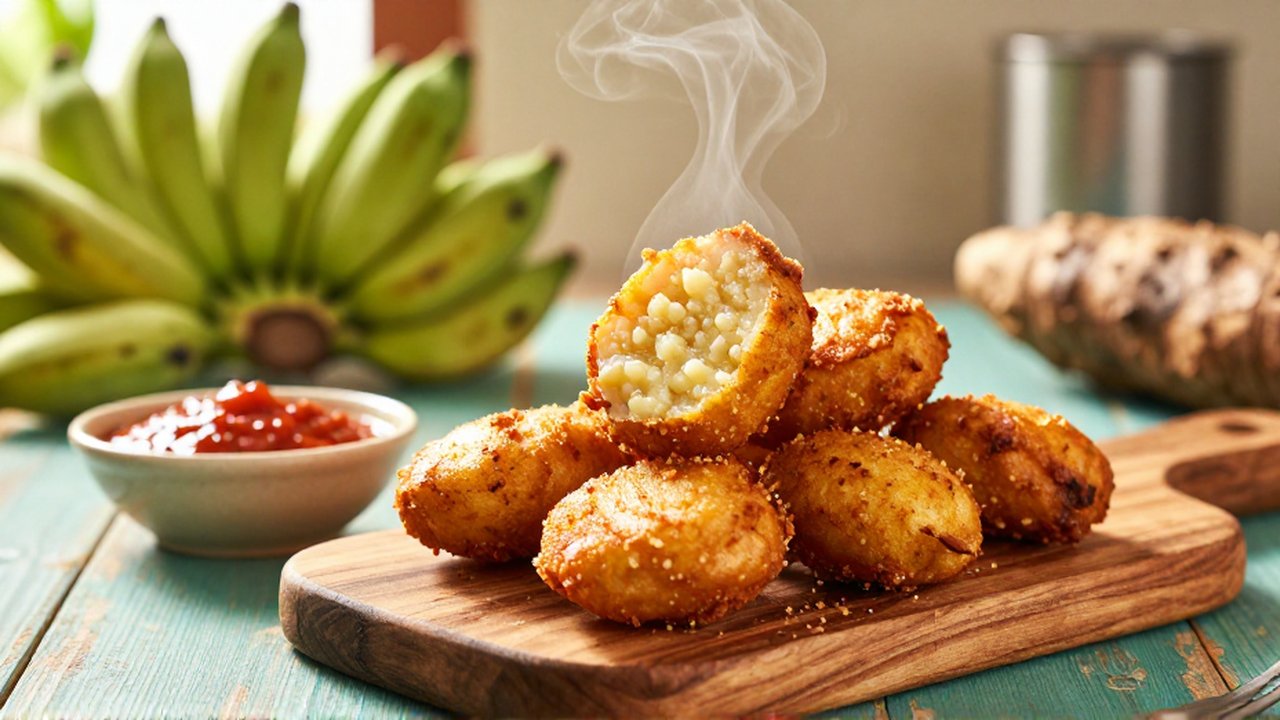
To achieve the perfect balance of texture and flavor, you must select the right components. The quality of the yuca is the most critical factor in the success of the dish.
- Yuca (Cassava): Large, fresh cassava roots are preferred. Look for tubers that are firm and have a smooth skin.
- Seasonings: Garlic is non-negotiable in Dominican cooking. Use fresh minced garlic, salt, and black pepper to build the flavor base.
- Binding agent: Sometimes a small amount of cornstarch or flour is used to ensure the exterior becomes extra crispy, though many traditional recipes rely solely on the starch of the root.
- Oil for frying: A neutral oil with a high smoke point, such as vegetable, canola, or sunflower oil, is necessary to achieve a deep golden color without burning.
- Optional additions: Some variations include finely chopped cilantro or scallions within the mash to add freshness.
Step by step cooking process
The secret to crispy yuca fritters lies in the two-stage cooking process: boiling the root until tender and then frying it until golden.
First, you must prepare the yuca. Peel the thick, brown bark off the root to reveal the white flesh underneath. It is important to remove the woody stringy core that runs through the center of the cassava after cooking. Boil the peeled yuca chunks in salted water until they are fork-tender but not falling apart. Once cooked, drain the water thoroughly and let the yuca cool slightly.
Next, mash the boiled yuca. You can use a potato masher or a fork, ensuring there are no large lumps. While the yuca is still warm, incorporate your garlic, salt, and pepper. If you choose to add herbs like cilantro, mix them in now. Once seasoned, shape the mash into small, flat discs or balls.
Finally, heat your oil in a heavy-bottomed pan or deep fryer. The oil should be hot enough that a small piece of yuca sizzles immediately upon contact. Carefully place the fritters in the oil and fry them, turning occasionally, until they reach a uniform golden-brown color and a firm, crispy crust. Drain them on paper towels to remove excess oil before serving.
Tips for achieving maximum crispiness
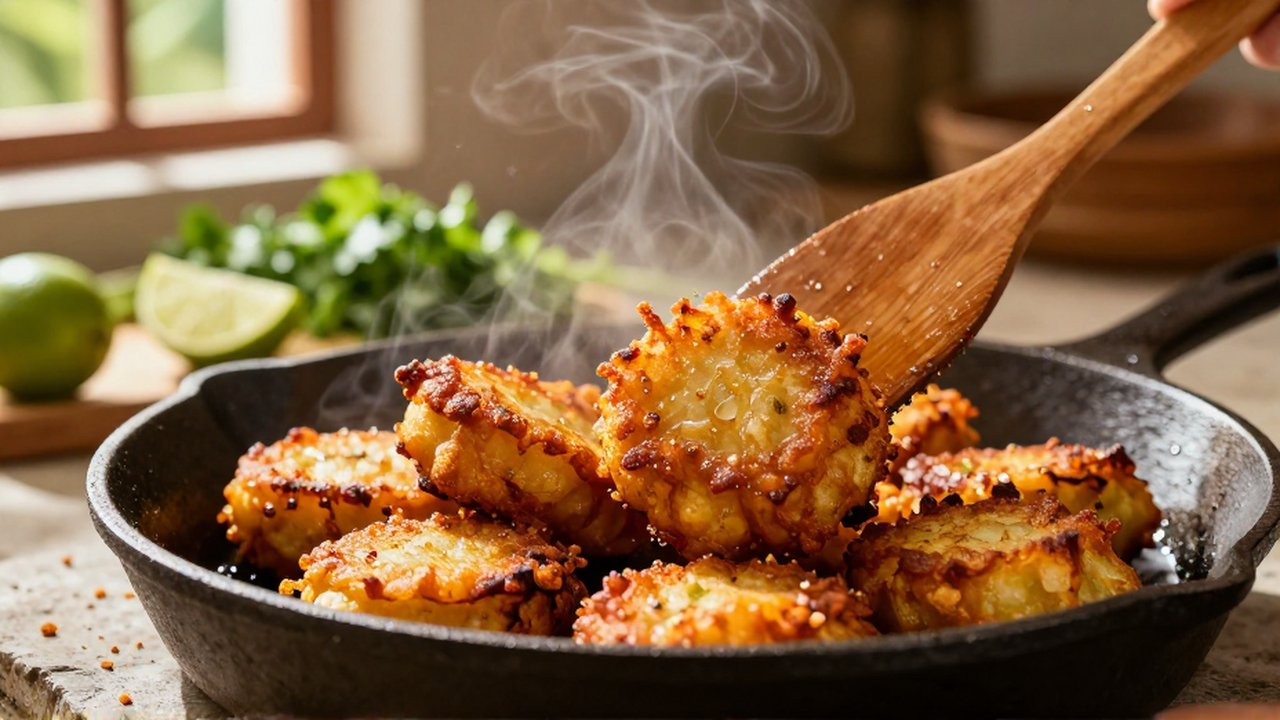
Achieving that elusive "crunch" requires attention to moisture and temperature. If the yuca is too wet, the fritters will absorb too much oil and become greasy rather than crispy.
| Factor | Recommendation |
|---|---|
| Moisture Control | Ensure the boiled yuca is well-drained and patted dry before mashing. |
| Oil Temperature | Maintain a steady medium-high heat; if the oil is too cool, the fritters will get soggy. |
| Batch Size | Do not overcrowd the pan. Frying too many at once drops the oil temperature significantly. |
| Size Consistency | Keep the fritters relatively thin and uniform so they cook evenly. |
Another useful technique is to lightly dust the shaped fritters in cornstarch before they hit the oil. This creates a micro-thin barrier that enhances the crunch.
Common mistakes to avoid
One frequent error is failing to remove the central woody core of the yuca. This stringy part is inedible and can ruin the texture of the fritter. Always slice the cooked pieces lengthwise to identify and discard it.
Another mistake is overworking the yuca during the mashing stage. While you want it smooth, excessive mashing can make the texture gummy rather than light and fluffy. Aim for a consistency that holds its shape easily when pressed. Lastly, avoid using oil that has been reused too many times, as it can impart an unpleasant flavor and affect the frying temperature.
Frequently asked questions
Can I make these fritters ahead of time? You can prepare the seasoned yuca mash and shape the discs in advance. Store them in the refrigerator, but fry them only when you are ready to serve to ensure they remain crispy.
What is the best dipping sauce for yuca fritters? In the Dominican Republic, these are often enjoyed with mojo (a garlic-based sauce) or a spicy vinegar-based hot sauce. A creamy garlic aioli or a simple lime-infused sour cream also works excellently.
Is yuca gluten-free? Yes, plain yuca is naturally gluten-free. However, if you use cornstarch or flour to increase crispiness, ensure those additives are certified gluten-free if you are catering to specific dietary needs.
Can I bake these instead of frying them? While you can bake them, they will not achieve the same signature crispy exterior as the traditional fried version. If baking, use a high temperature and coat them in oil to mimic the frying effect.
Leave a Reply