
Benefits of adding passion fruit to your diet

Introduction
Passion fruit is a tropical fruit renowned for its intense aroma and complex flavor profile, characterized by a balance of sweetness and sharp acidity. Beyond its sensory appeal, this exotic fruit is a nutritional powerhouse, packed with essential vitamins, minerals, and antioxidants. Incorporating passion fruit into your daily routine can provide a natural boost to various bodily functions, making it a valuable addition to a balanced diet.
Understanding the nutritional value of passion fruit allows you to utilize it more effectively in your culinary habits. Whether consumed fresh, as a juice, or as a topping for desserts, its unique properties offer significant wellness advantages. This article explores the specific health benefits and practical ways to enjoy this tropical treasure.
Nutritional profile of passion fruit
Passion fruit is a dense source of micronutrients that are vital for maintaining overall health. One of its most notable characteristics is its high content of dietary fiber, which is essential for digestive regularity. The fruit also provides a significant amount of Vitamin C, which plays a crucial role in supporting the immune system and aiding in collagen production.
In addition to these, passion fruit contains several key vitamins and minerals:
- Vitamin A: Supports eye health and skin integrity.
- Vitamin C: Enhances antioxidant capacity and immune defense.
- Dietary Fiber: Promotes satiety and healthy gut movement.
- Potassium: Helps regulate blood pressure and fluid balance.
- Antioxidants: Includes various polyphenols that protect cells from oxidative stress.
Support for digestive health

The high fiber content found in the pulp and seeds of the passion fruit makes it an excellent tool for digestive wellness. Dietary fiber increases the bulk of the stool and assists in the smooth passage of food through the intestinal tract. This can be particularly beneficial for individuals looking to maintain regular bowel movements and prevent constipation.
Furthermore, the prebiotic properties associated with certain fibers in the fruit may help nourish beneficial gut bacteria. A healthy gut microbiome is linked to improved digestion and overall systemic health. When consuming passion fruit, it is important to drink plenty of water to allow the fiber to function effectively within your digestive system.
Antioxidant and immune system support
The presence of various antioxidants in passion fruit offers a layer of defense for the body. Antioxidants are substances that help neutralize free radicals, which are unstable molecules that can cause cellular damage. By reducing oxidative stress, the nutrients in passion fruit contribute to long-term cellular health and may help mitigate the effects of aging at a cellular level.
The vitamin C content further bolsters this effect by strengthening the body's natural defenses. Consuming antioxidant-rich fruits like passion fruit is a proactive way to support the immune system, especially during seasonal changes or periods of increased physical stress.
Potential impact on relaxation and sleep
Many people turn to passion fruit for its potential calming effects. Some traditional uses and observations suggest that the compounds found in passion fruit may have mild sedative properties that help reduce anxiety and promote relaxation. This makes it a soothing addition to a diet aimed at improving sleep quality.
While it is not a replacement for medical treatments for insomnia or anxiety, incorporating the fruit into evening snacks or herbal infusions may provide a gentle, natural way to wind down. The sensory experience of its aroma also contributes to a relaxing ritual before bedtime.
Practical ways to include passion fruit in your diet
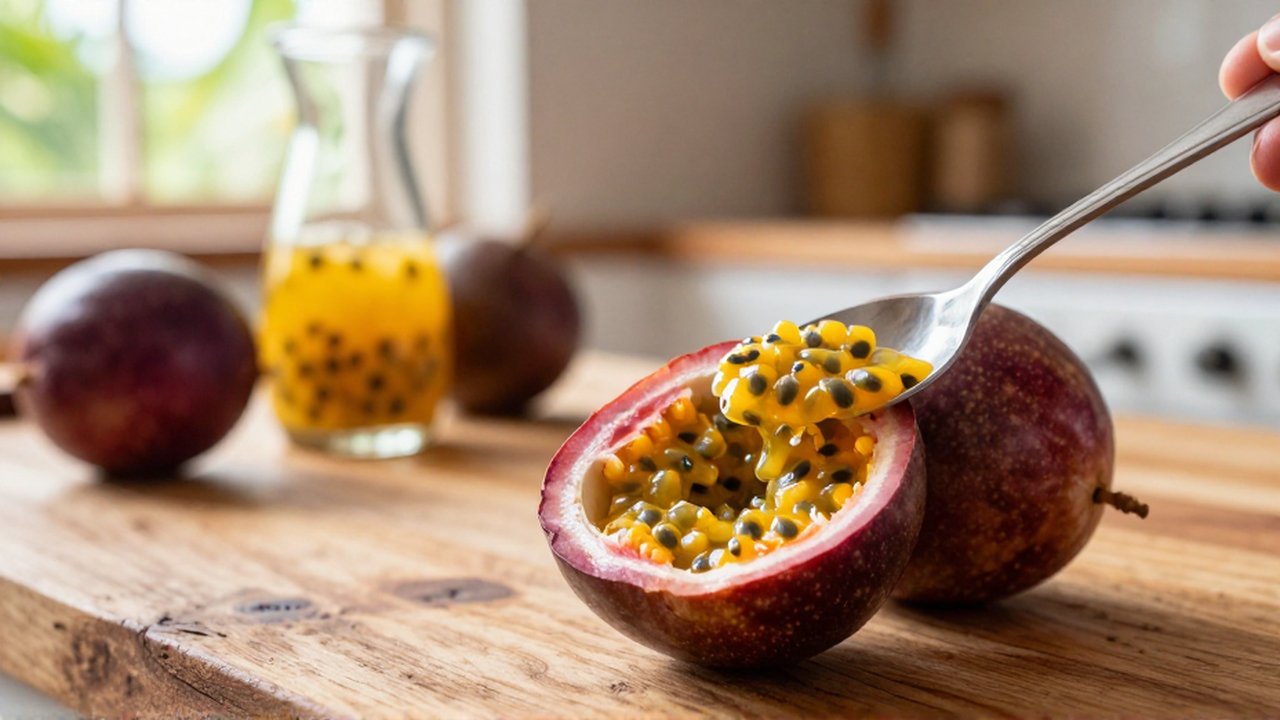
Integrating passion fruit into your meals is simple due to its versatile flavor. Because the acidity is quite strong, it is often best paired with sweeter or creamier ingredients to create a balanced taste.
| Method | Description |
|---|---|
| Fresh Consumption | Scooping the pulp directly from the shell for maximum fiber intake. |
| Smoothies and Juices | Blending the pulp with yogurt, banana, or coconut water. |
| Toppings | Adding the seeds and juice to yogurt, oatmeal, or chia pudding. |
| Desserts | Using the juice to create mousses, sorbets, or fruit sauces. |
| Salads | Using the juice as a bright, acidic component in tropical fruit salads. |
Nutritional considerations and recommendations
While passion fruit is highly beneficial, it is important to consume it as part of a diverse diet. Due to its high acidity, some individuals with sensitive stomachs or acid reflux might experience discomfort if consumed in large quantities on an empty stomach.
Additionally, because the fruit is naturally somewhat high in sugar compared to other vegetables, those monitoring their glycemic intake should enjoy it in moderation. As with any significant dietary change, if you have specific underlying health conditions, consulting with a nutritionist can help you tailor your intake to your specific needs.
Frequently asked questions
How do I know if a passion fruit is ripe? A ripe passion fruit typically has a slightly wrinkled skin. While it may look less "perfect" than a smooth one, the wrinkles often indicate that the sugars have concentrated and the flavor is at its peak.
Can I eat the seeds of the passion fruit? Yes, the seeds are completely edible and are a significant source of the fruit's dietary fiber. They also provide a pleasant crunch when consumed in smoothies or as toppings.
Is passion fruit high in calories? Passion fruit is relatively low in calories compared to many other fruits, making it a nutrient-dense option for those mindful of energy intake.
How should passion fruit be stored? For short-term use, passion fruit can be kept at room temperature. For longer storage, it can be placed in the refrigerator to maintain freshness for several days or a week.
Leave a Reply