
Nutritional comparison of Dominican tubers and root crops
Introduction
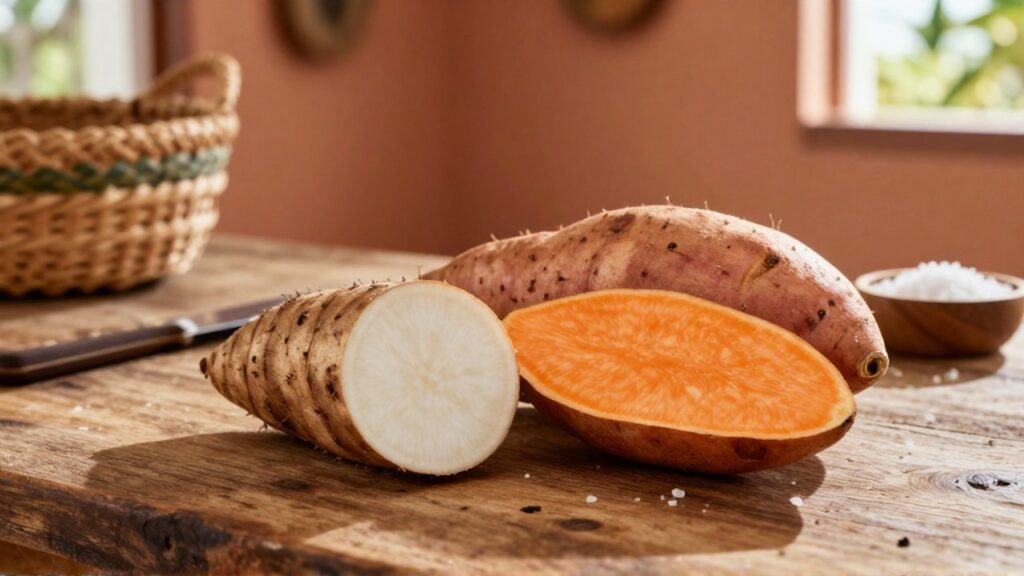
In the Dominican Republic, tubers and root crops form the foundational pillar of the traditional diet. These starchy staples, such as yuca, batata, and yautía, are more than just cultural icons; they are essential sources of complex carbohydrates, fiber, and vital micronutrients. Understanding the nutritional nuances between these various crops is crucial for anyone looking to optimize their energy levels, manage glycemic control, or diversify their dietary intake through local, natural ingredients.
Choosing the right root crop depends heavily on individual nutritional goals. Whether you are seeking sustained energy for physical activity, looking for high-fiber options to aid digestion, or trying to select foods with a lower glycemic index, the differences between Dominican staples are significant. This comparison explores the unique profiles of these crops to help you make informed decisions about your daily meals and overall well-being.
Nutritional profiles of common Dominican roots
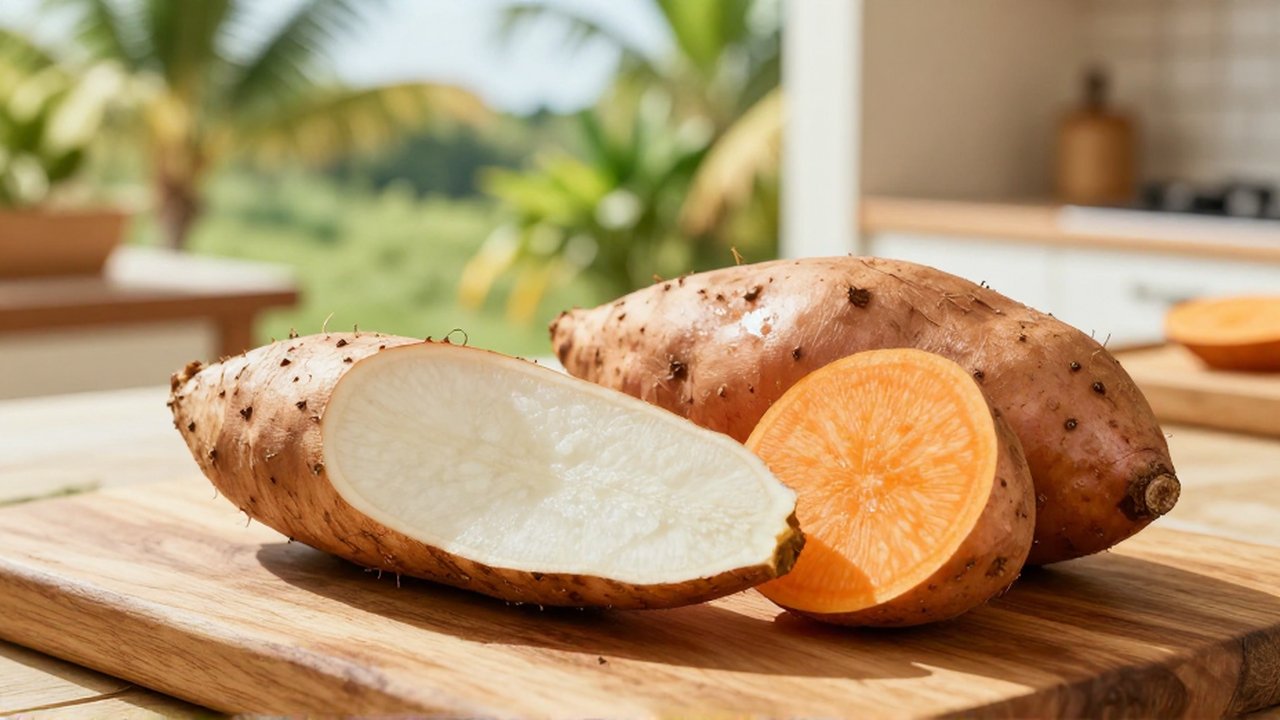
The variety of root crops available in Dominican markets offers a wide spectrum of nutritional benefits. While they all serve as energy sources, their chemical compositions vary enough to influence how the body processes them.
Yuca (Cassava) is highly valued for its high carbohydrate content, providing a dense source of immediate and sustained energy. It is naturally gluten-free and serves as a staple for those requiring calorie-dense foods. While relatively low in some vitamins compared to others, it is an excellent source of manganese, which is essential for bone health and metabolic function.
Batata (Sweet Potato) stands out due to its rich micronutrient profile. Depending on the variety—whether white or orange-fleshed—it is a powerhouse of beta-carotene, which the body converts into Vitamin A. This makes it particularly beneficial for eye health and immune support. It also offers a moderate amount of fiber and a more complex sugar structure than many refined grains.
Yautía (Taro/Malanga) is often praised for its digestibility and unique texture. It provides a significant amount of dietary fiber and is a notable source of potassium and magnesium. This makes it a functional choice for maintaining healthy blood pressure levels and supporting nerve function.
Comparison of glycemic index and energy density
When considering dietetics, the glycemic index (GI) is a vital metric. The GI indicates how quickly a food raises blood glucose levels.
- High Energy Density: Yuca is particularly dense in starch, making it ideal for athletes or individuals with high metabolic demands. However, due to its starch concentration, it should be consumed in controlled portions.
- Moderate Glycemic Response: Batata generally has a lower glycemic load than white yuca, especially when boiled rather than fried. This results in a slower release of glucose into the bloodstream, preventing sharp insulin spikes.
- Fiber-Rich Stability: Yautía typically offers a steady energy release due to its fiber content, which helps in regulating digestion and promoting satiety (the feeling of fullness).
Evaluating these crops through the lens of glycemic response allows for better meal planning, particularly for individuals monitoring their blood sugar levels.
Dietary benefits and practical applications
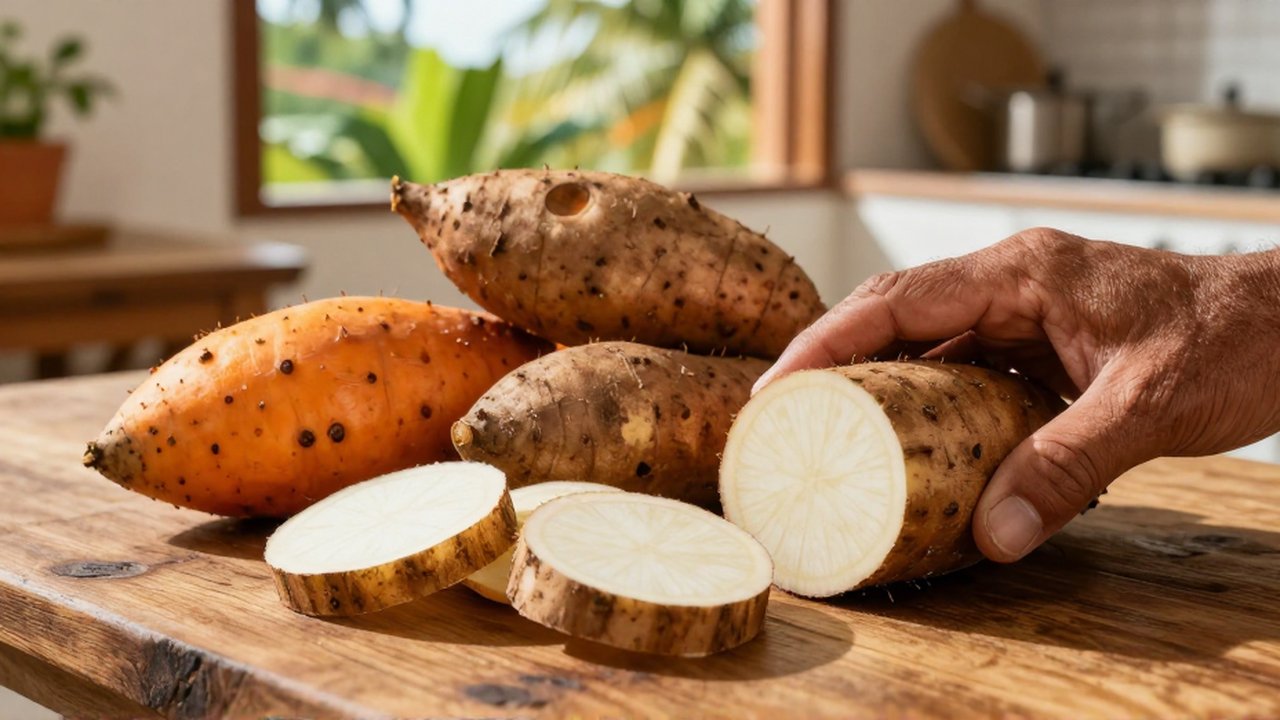
Integrating these roots into a balanced diet requires an understanding of how they complement other food groups.
For digestive health, yautía and batata are the superior choices. Their higher fiber content aids in regular bowel movements and supports a healthy gut microbiome. Consuming these in their whole, boiled form preserves these beneficial fibers.
For immune support, the orange-fleshed batata is the clear winner. The presence of carotenoids and Vitamin C provides a natural boost to the body's defense mechanisms.
For weight management, focusing on yautía or moderate portions of batata can be beneficial. The combination of fiber and complex carbohydrates helps manage hunger throughout the day. In contrast, while yuca is nutritious, its high caloric density means it should be paired with lean proteins and plenty of vegetables to maintain a caloric balance.
Common mistakes in consuming root crops
To maximize the nutritional value of Dominican tubers, it is important to avoid certain preparation habits that can diminish their benefits.
One frequent mistake is overcooking the crops until they lose their structural integrity, which can lead to a higher glycemic index. Boiling or steaming is generally the most nutritious method. Deep-frying, a common way to prepare yuca or batata, significantly increases the caloric density and unhealthy fat content, negating many of the natural benefits of the root.
Additionally, many people overlook the importance of skin consumption. Whenever possible, and if the root is cleaned thoroughly, consuming the skin of batata or yautía provides additional dietary fiber. Lastly, consuming these crops in isolation without protein or healthy fats can lead to more rapid digestion; pairing them with beans, eggs, or avocado creates a more nutritionally complete and satiating meal.
Frequently asked questions
Which root crop is best for sustained energy? Yuca is the most energy-dense option, making it excellent for physical endurance, though it should be eaten in moderation due to its high starch content.
Is batata better than yuca for blood sugar control? Generally, yes. Batata typically has a lower glycemic index than yuca, meaning it provides a more gradual rise in blood glucose.
Are these roots gluten-free? Yes, all traditional Dominican tubers and root crops, including yuca, batata, and yautía, are naturally gluten-free.
How should I prepare these for maximum nutrition? Boiling or steaming is recommended. Avoid deep-frying to prevent excessive calorie and fat intake, and try to keep them slightly firm to preserve fiber and glycemic stability.
Leave a Reply