
Zinc rich Caribbean ingredients for better immunity
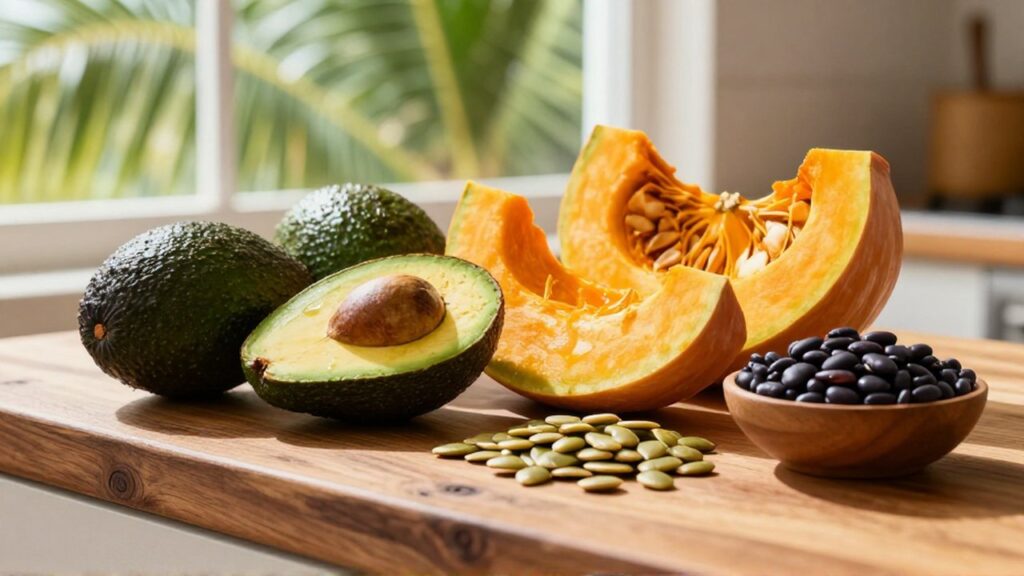
Introduction
Zinc is an essential trace mineral that plays a fundamental role in the human body, particularly in maintaining a robust immune system. It is crucial for the development and function of immune cells, making it a key player in how the body defends itself against pathogens. Beyond immunity, zinc contributes to wound healing, protein synthesis, and DNA production. Ensuring adequate intake through a balanced diet is necessary because the body cannot store this mineral for long periods, meaning regular consumption is vital for continuous health maintenance.
In the Caribbean, the tropical climate provides a wealth of nutrient-dense foods that are naturally high in essential minerals. Integrating these local ingredients into your daily meal planning is a practical and delicious way to support your biological defenses. By focusing on traditional Caribbean staples, you can optimize your zinc levels using fresh, accessible, and culturally significant ingredients that are widely available in local markets.
Benefits of zinc for immune function
Zinc acts as a signal for various cellular processes. When levels are sufficient, the body can effectively produce lymphocytes, which are white blood cells responsible for fighting off infections. A lack of this mineral can lead to a weakened immune response, making the body more susceptible to seasonal illnesses and slower to recover from minor ailments.
In addition to its role in immunity, zinc supports the integrity of mucous membranes in the nose and throat, which serve as the first line of defense against airborne germs. For those living in tropical environments where maintaining hydration and nutritional balance is key to overall stamina, prioritizing zinc-rich foods can provide a steady foundation for long-term wellness.
Caribbean legumes and seeds as zinc sources
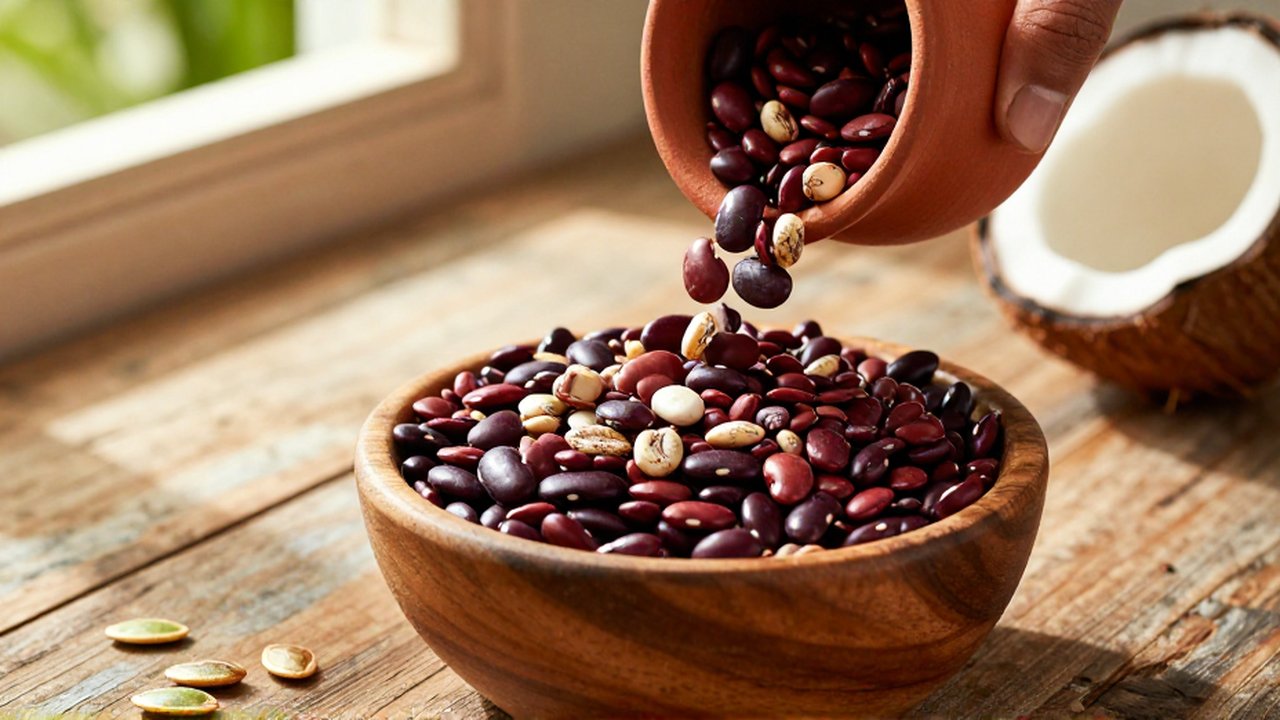
Legumes are a cornerstone of the Caribbean diet and serve as an excellent plant-based source of zinc. Beans, such as kidney beans, black beans, and pigeon peas, are staples in traditional dishes like Locrio or various stews. These legumes provide a slow-release source of energy alongside essential minerals.
Seeds and nuts, though sometimes used more as garnishes or snacks, also contribute significantly to mineral intake. Pumpkin seeds (often called pepitas) are particularly abundant in tropical regions. Incorporating these into salads, smoothies, or even roasted as a snack can provide a concentrated boost of zinc.
| Ingredient | Common Caribbean Use | Nutritional Benefit |
|---|---|---|
| Pigeon Peas | Stews and rice dishes | High mineral density |
| Black Beans | Sides and soups | Supports steady zinc levels |
| Pumpkin Seeds | Toppings and snacks | Concentrated zinc source |
| Chickpeas | Salads and fritters | Versatile protein and mineral source |
Seafood and tropical marine resources
The Caribbean Sea offers an abundance of seafood, which is one of the most efficient ways to consume bioavailable zinc. Seafood such as shellfish, including oysters, mussels, and shrimp, are naturally rich in this mineral. Because the mineral is in a form that the body can easily absorb, seafood is often considered a highly effective dietary choice for addressing mineral deficiencies.
Fresh fish, which is a daily staple in many island households, also contributes to a well-rounded nutritional profile. While the concentration of zinc can vary depending on the specific species, a diet that regularly includes fresh catches from local waters ensures a consistent supply of essential nutrients for immune health.
Tropical fruits and vegetables for nutritional balance
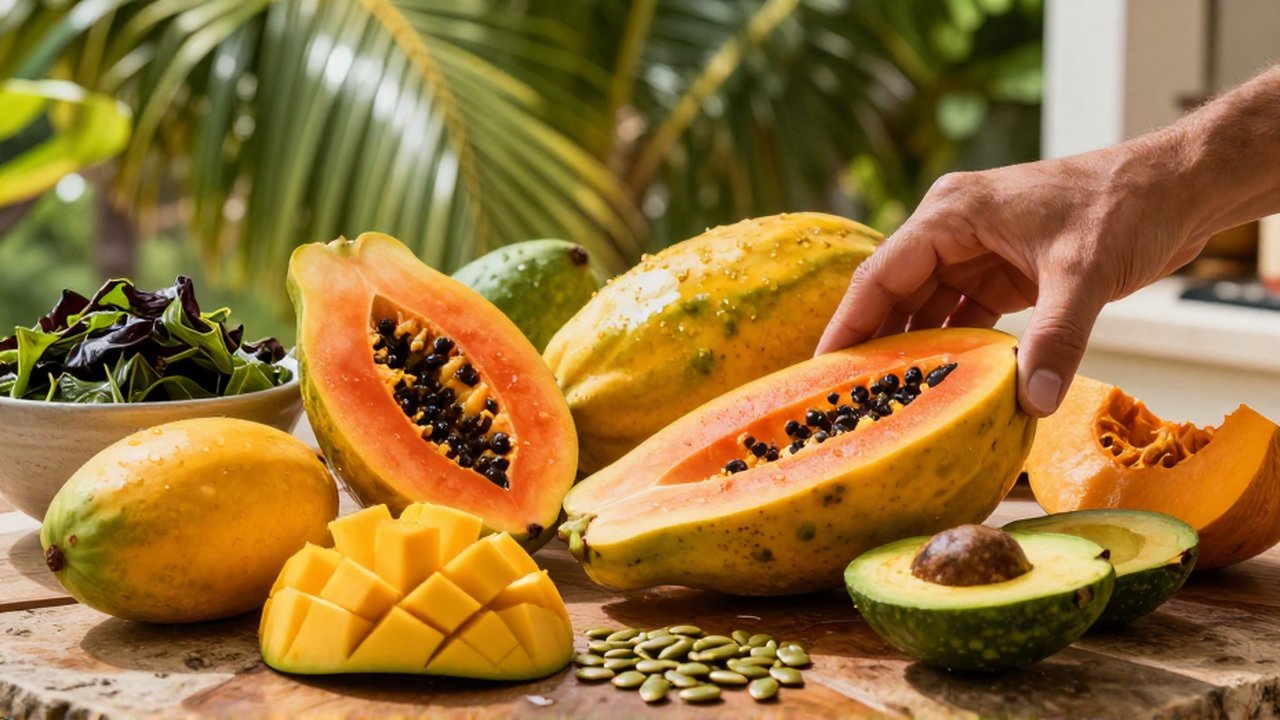
While many tropical fruits are primarily known for their Vitamin C content, they play a supporting role in a mineral-rich diet by promoting general gut health and reducing oxidative stress. A healthy digestive system is essential for mineral absorption. Ingredients like papaya, guava, and various citrus fruits help create the optimal internal environment for the body to utilize the zinc obtained from legumes and seafood.
Green leafy vegetables and certain tubers also contribute to the overall micronutrient profile. Integrating a variety of colorful, locally grown produce ensures that you are not only getting zinc but also the co-factors, such as vitamins and antioxidants, that allow the immune system to function at its peak.
Tips for optimizing zinc absorption
To get the most out of your Caribbean ingredients, it is helpful to understand how certain cooking methods and food combinations affect mineral uptake. Some plant-based sources contain phytates, which can slightly hinder the absorption of zinc.
- Soaking pulses: Soaking beans and peas before cooking can help reduce phytate levels, making the zinc more accessible to your body.
- Pairing with Vitamin C: Consuming zinc-rich foods alongside local citrus or papaya can improve overall nutrient synergy.
- Variety is key: Do not rely on a single food source; rotate between legumes, seeds, and seafood to ensure a broad spectrum of minerals.
Frequently asked questions
Can I get enough zinc from a plant-based Caribbean diet? Yes, it is possible through the consistent consumption of legumes, seeds, and fortified grains, though it is important to use preparation methods like soaking to maximize absorption.
How often should I consume zinc-rich foods? For maintaining immunity, it is best to include these ingredients in your daily or regular weekly meal rotations rather than consuming them in large amounts only occasionally.
Are there any risks to consuming too much zinc? While it is difficult to get too much zinc from food alone, excessive intake via supplements can interfere with the absorption of other minerals like copper. It is always best to focus on whole food sources.
Leave a Reply