
How to season fried plantains for maximum flavor
Introduction
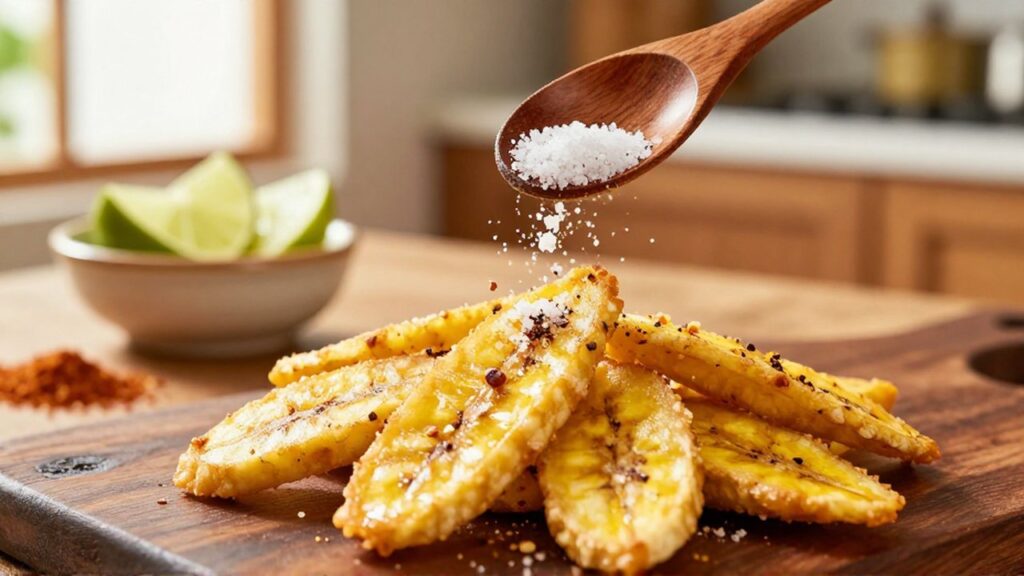
Fried plantains are a cornerstone of Dominican cuisine, offering a versatile canvas that ranges from savory to sweet depending on the ripeness of the fruit. Seasoning them correctly is the difference between a simple side dish and a culinary highlight that elevates an entire meal. Whether you are preparing tostones (green plantains) or maduros (ripe plantains), the way you apply salt, spices, and fats determines the texture and depth of flavor you achieve.
Mastering this technique allows you to complement various proteins, such as stewed chicken or grilled fish, while ensuring the plantains do not taste bland or greasy. Understanding the timing of when to season and which ingredients to pair with different stages of plantain ripeness is essential for any cook looking to achieve professional-level results at home.
Choosing the right plantain for seasoning
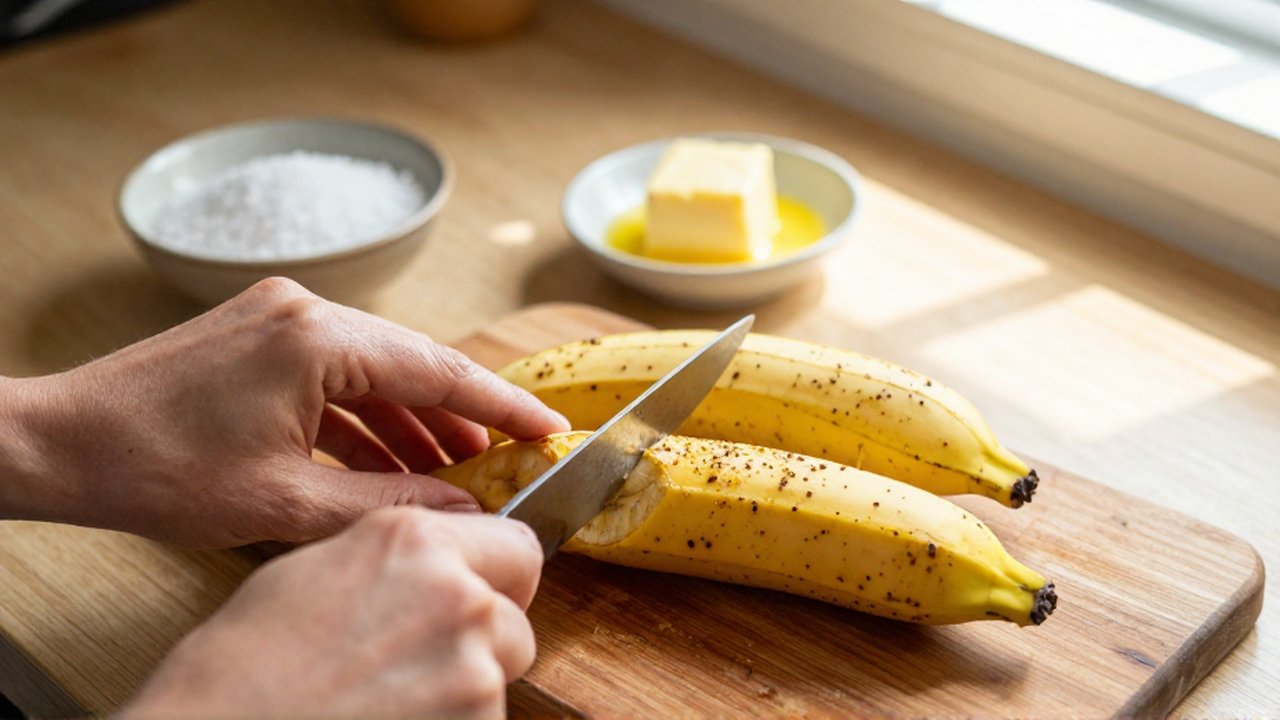
The foundation of flavor begins with the selection of the fruit, as the natural sugar content dictates your seasoning strategy. Green plantains are starchy and neutral, acting much like a potato; they require aggressive seasoning to combat their lack of inherent sweetness. These are typically used to make tostones, which are twice-fried and crispy.
Ripe plantains, which have yellow or even black skins, are naturally sweet and soft. When seasoning these, you must be careful not to overwhelm their delicate caramelization. Instead of heavy salts, ripe plantains often benefit from subtle enhancements that highlight their sugary profile. Choosing the correct stage ensures that your seasoning works with the fruit rather than against it.
Essential seasoning techniques for tostones
To achieve maximum flavor in crispy tostones, the seasoning process must happen at specific intervals to ensure the salt penetrates the starch without making the surface soggy.
- The Salt Bath: When making tostones, the most important step occurs after the first fry and the "smashing" process. Once the plantain slices are flattened, they should be briefly dipped in a shallow bowl of salted water or brushed with a seasoned oil before the second fry. This ensures the salt reaches the interior of the starch.
- Garlic Oil Infusion: For a more gourmet touch, replace plain vegetable oil with a garlic-infused oil. Alternatively, after the second fry, toss the hot plantains in a mixture of minced garlic, a pinch of salt, and a touch of melted butter.
- Dry Rubs: While less common, a light dusting of smoked paprika or a tiny amount of onion powder immediately after frying can add a savory complexity to green plantains.
Enhancing the flavor of sweet maduros
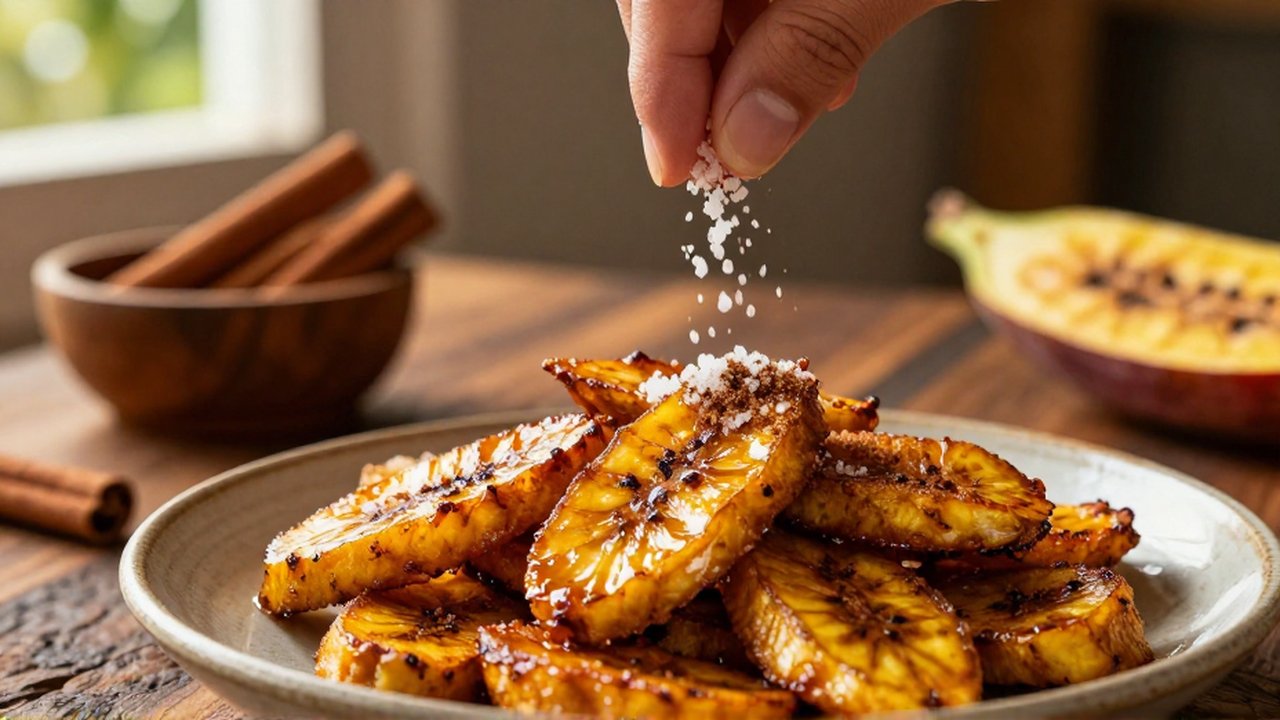
When dealing with ripe maduros, the goal is to complement the natural sugars. Since these are often fried until they are soft and caramelized, heavy salting can create an unpleasant flavor clash.
| Seasoning Element | Effect on Maduros |
|---|---|
| Light Sea Salt | Balances the intense sweetness and cuts through the oil. |
| Cinnamon | Enhances the warm, dessert-like qualities of the fruit. |
| Lime Juice | Adds acidity to brighten the heavy, sugary profile. |
| Nutmeg | Provides a subtle, aromatic depth for a more sophisticated side. |
The most effective way to season ripe plantains is to apply a very fine dusting of salt the exact second they emerge from the oil. The residual heat allows the salt to adhere to the caramelized surface. If you prefer a dessert-style plantain, a light sprinkle of cinnamon while they are still hot is highly effective.
Common mistakes to avoid
One of the most frequent errors is seasoning plantains too early or too late. If you add salt to the raw slices before they hit the oil, the salt can draw out moisture, leading to a limp, oily texture rather than a crispy one. Always season either during the brief immersion in seasoned water (for tostones) or immediately after they are removed from the heat.
Another mistake is using a low-quality oil that lacks a neutral profile. Since plantains absorb a significant amount of fat, using an oil with a strong odor can mask the natural flavor of the fruit. Stick to oils with high smoke points and neutral tastes to allow your seasonings to shine. Lastly, do not over-season ripe plantains; the natural caramelization provides more than enough complexity if you use salt sparingly.
Frequently asked questions
Should I salt my plantains before frying them? No. Salting raw plantains can cause them to release moisture, which prevents them from getting crispy and results in an oily texture. Always season after the frying process or during the intermediate dipping stage for tostones.
Can I use spices other than salt on tostones? Yes. For a savory kick, you can use garlic powder, onion powder, or even a small amount of dried oregano. However, the most important element is salt, as it is necessary to balance the starch.
How can I make my maduros taste more professional? A tiny pinch of fine sea salt is the secret. It prevents the sweetness from becoming cloying. For a more fragrant result, a very light dusting of cinnamon can also elevate the dish.
Does the type of oil affect the seasoning? Yes. Use a neutral oil like canola or vegetable oil. If you use an oil with a strong flavor (like extra virgin olive oil), it may compete with your seasonings and change the intended flavor profile of the plantain.
Leave a Reply