Comparing fat content in tropical plantain varieties
Introduction
Plantains are a fundamental staple in tropical diets, particularly within Caribbean and Dominican cuisine. While they are widely recognized for their high carbohydrate content and essential vitamins, understanding their nutritional profile is crucial for those managing specific dietary needs. Comparing the fat content across different varieties helps consumers make informed decisions about how these fruits fit into a balanced meal plan.
Whether you are preparing savory tostones or sweet maduros, the botanical variety of the plantain affects its density and macronutrient composition. Although plantains are naturally low in fat, the way different varieties interact with cooking oils and how their starch converts to sugar can influence the final caloric density of a dish. This guide explores the nuances of fat content in common tropical plantain varieties to provide clarity for nutrition-conscious cooks.
Natural fat levels in different plantain types
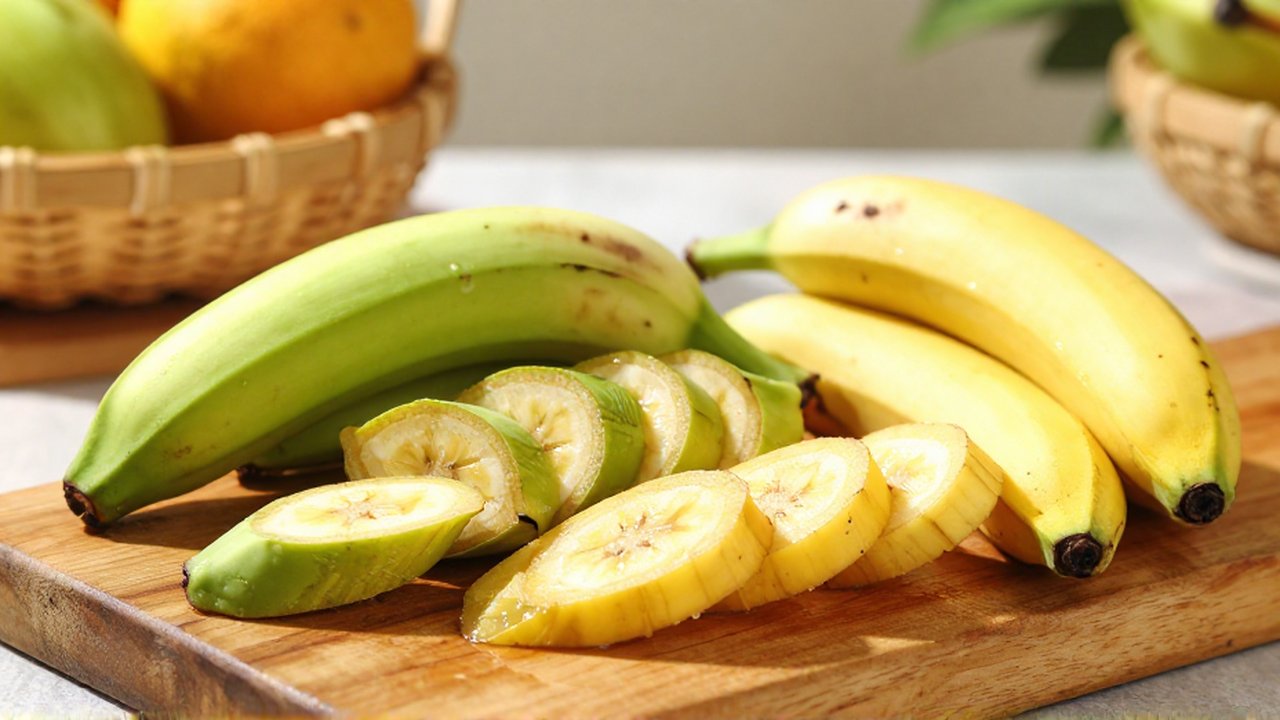
It is a common misconception that plantains are high-fat foods. In their raw, natural state, almost all varieties of plantains are extremely low in lipids. They are primarily composed of water, complex carbohydrates (starches), and dietary fiber. The variation in fat content between a green plantain and a ripe plantain is negligible when looking at the fruit alone.
The primary differences between varieties, such as the common starchy plantain used for frying or the sweeter varieties used in desserts, lie in their sugar and starch ratios. However, from a strictly nutritional standpoint regarding fat, the fundamental structure of the fruit remains consistent across the Musa genus. The perceived "fatness" of a plantain dish usually stems from the culinary application rather than the fruit's inherent biology.
Impact of ripeness on lipid absorption
While the native fat content does not shift significantly as a plantain matures, the way the fruit absorbs fats during cooking changes drastically. This is a critical distinction for anyone monitoring their fat intake.
When a plantain is green and starchy, it has a dense cellular structure. When prepared as tostones (twice-fried green plantains), the starch granules can absorb a significant amount of oil during the frying process. Conversely, as a plantain ripens, the starches convert into simple sugars. Ripe plantains, often used for maduros, have a softer texture. While they also absorb oil, their high sugar content allows them to caramelize, which can sometimes create a different mouthfeel and perceived richness compared to the crispy, oil-saturated texture of green plantains.
Nutritional comparison table
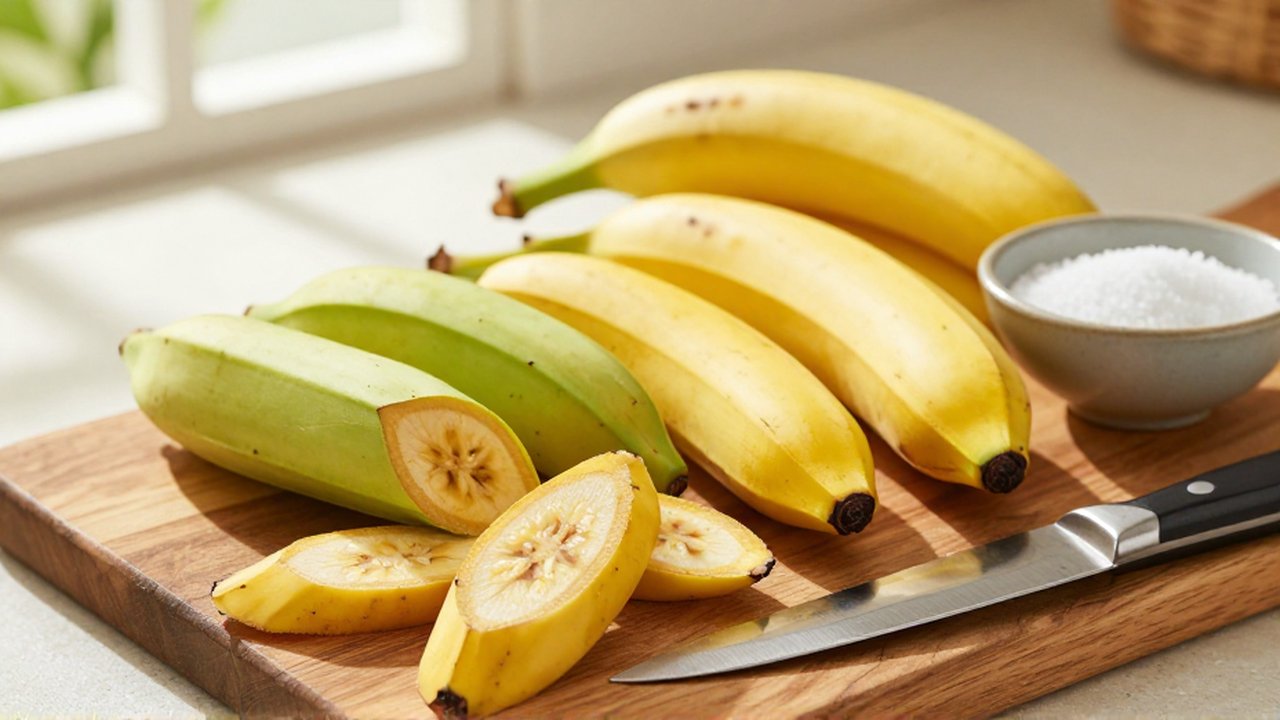
The following table provides a general overview of the macronutrient focus for the most common varieties used in tropical cooking. Note that fat levels remain consistently low in the raw state.
| Plantain Variety | Primary Nutrient | Texture Profile | Fat Content (Raw) |
|---|---|---|---|
| Green Plantain | Complex Starch | Firm and starchy | Very Low |
| Ripe Plantain | Simple Sugars | Soft and sweet | Very Low |
| Cooking Plantain | Carbohydrates | Dense | Very Low |
Methods to manage fat intake when eating plantains
Since the natural fat content is low, the primary way to control fat intake is through preparation techniques. To maintain the nutritional benefits of the plantain without excessive caloric density, consider these approaches:
- Boiling or Steaming: This is the healthiest method. Boiling plantains retains their moisture and requires zero added fats, making them an excellent source of clean energy.
- Baking: Instead of deep-frying, slicing plantains and baking them with a light brush of oil can mimic the texture of fried plantains with a fraction of the fat.
- Air-frying: This modern method uses hot air circulation to achieve a crispy exterior, significantly reducing the amount of oil absorbed compared to traditional pan-frying.
- Sautéing: Using a non-stick pan with a minimal amount of healthy fats (like olive oil) allows for flavor development without the heavy saturation seen in deep-frying.
Frequently asked questions
Are plantains high in fat? No, raw plantains are naturally very low in fat. They are primarily a source of carbohydrates, fiber, and potassium.
Why do fried plantains feel so heavy? The weight and "heaviness" come from the oil absorbed by the plantain's starch during the frying process, not from the fruit itself.
Which plantain is best for a low-fat diet? Boiled or steamed plantains of any variety are the best options for a low-fat diet, as they do not require added oils to be palatable.
Does ripening a plantain change its fat content? Ripening primarily changes the ratio of starch to sugar. It does not significantly alter the amount of natural fat present in the fruit.
Leave a Reply