
Best tropical fruits for increasing potassium intake
Introduction
Potassium is an essential mineral and electrolyte that plays a critical role in maintaining various bodily functions, including nerve signaling, muscle contractions, and fluid balance. It helps regulate blood pressure by mitigating the effects of sodium and eases tension in blood vessel walls. Ensuring an adequate intake of this mineral is vital for heart health and overall metabolic stability, making it a key focus for anyone looking to optimize their nutritional profile.
In tropical regions like the Dominican Republic, nature provides a bounty of fruits that are naturally rich in this essential nutrient. Incorporating these vibrant, sun-ripened foods into a daily diet is an effective and delicious way to boost potassium levels naturally. Because tropical fruits often come with added benefits like high fiber and vitamin C, they serve as a powerful tool for maintaining long-term wellness.
Benefits of high potassium tropical fruits
Consuming fruits naturally high in potassium offers several physiological advantages. One of the primary benefits is the support of cardiovascular health. By helping the body balance sodium levels, potassium assists in maintaining healthy blood pressure levels, which is a cornerstone of preventing long-term heart complications. Furthermore, the mineral is crucial for preventing muscle cramps and supporting efficient neuromuscular communication.
Beyond heart and muscle health, tropical fruits are typically packed with secondary nutrients. Many of these fruits provide significant amounts of dietary fiber, which aids in digestion and promotes a feeling of fullness. The presence of antioxidants and various vitamins means that increasing your potassium intake through whole fruits also bolsters your immune system and reduces oxidative stress within the body.
Best tropical fruits for potassium
When looking to increase your mineral intake, several tropical varieties stand out due to their high nutrient density. Choosing the right fruit can make reaching your daily goals much simpler.
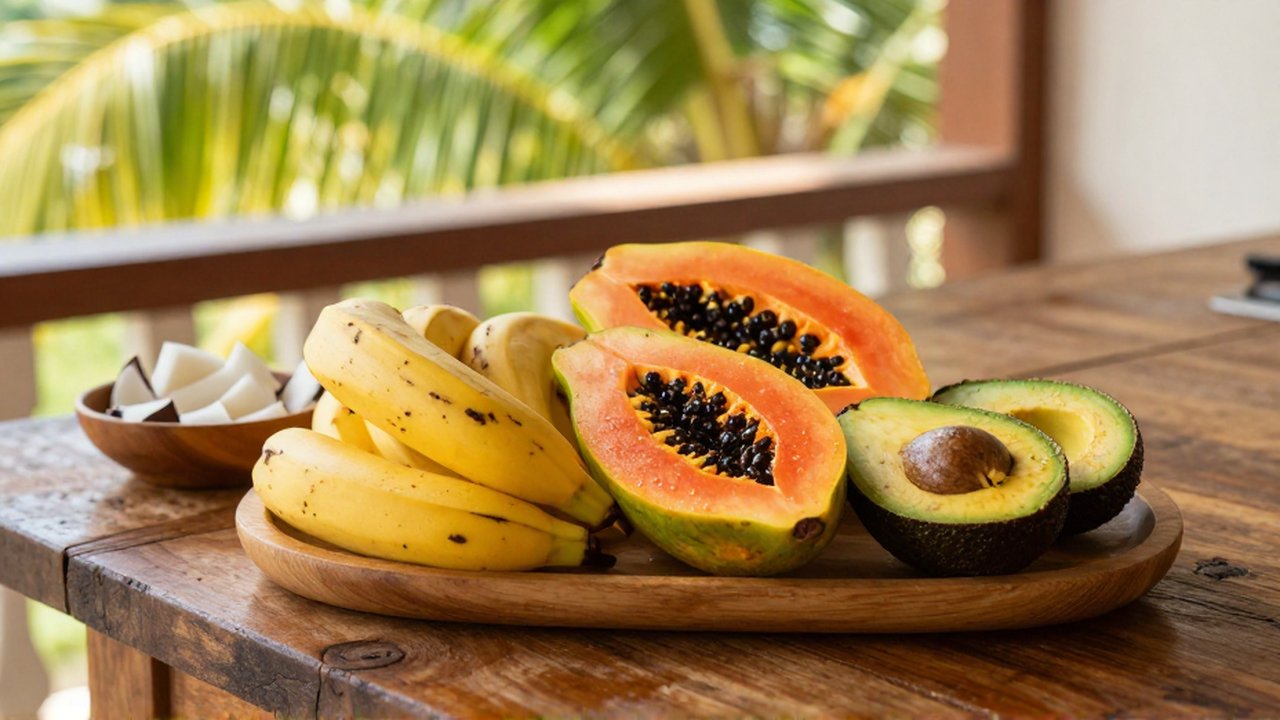
- Bananas: Perhaps the most famous source of potassium, bananas are highly accessible and convenient. They provide a quick energy boost and are easy to incorporate into breakfasts or snacks.
- Avocado: While often treated as a vegetable in culinary contexts, the avocado is a nutrient-dense tropical fruit. It contains significantly more potassium per serving than many other common fruits, along with healthy monounsaturated fats.
- Papaya: This fruit is not only a great source of potassium but is also rich in digestive enzymes like papain. It is a refreshing option that supports both electrolyte balance and gut health.
- Mango: Known for its sweet flavor, mango provides a significant dose of potassium along with high levels of Vitamin A and C, making it a nutritional powerhouse.
- Coconut Water: While technically a liquid, coconut water is the juice from young green coconuts and is widely regarded as a "natural electrolyte drink" due to its high potassium content and rapid hydration properties.
Comparative potassium values in tropical fruits
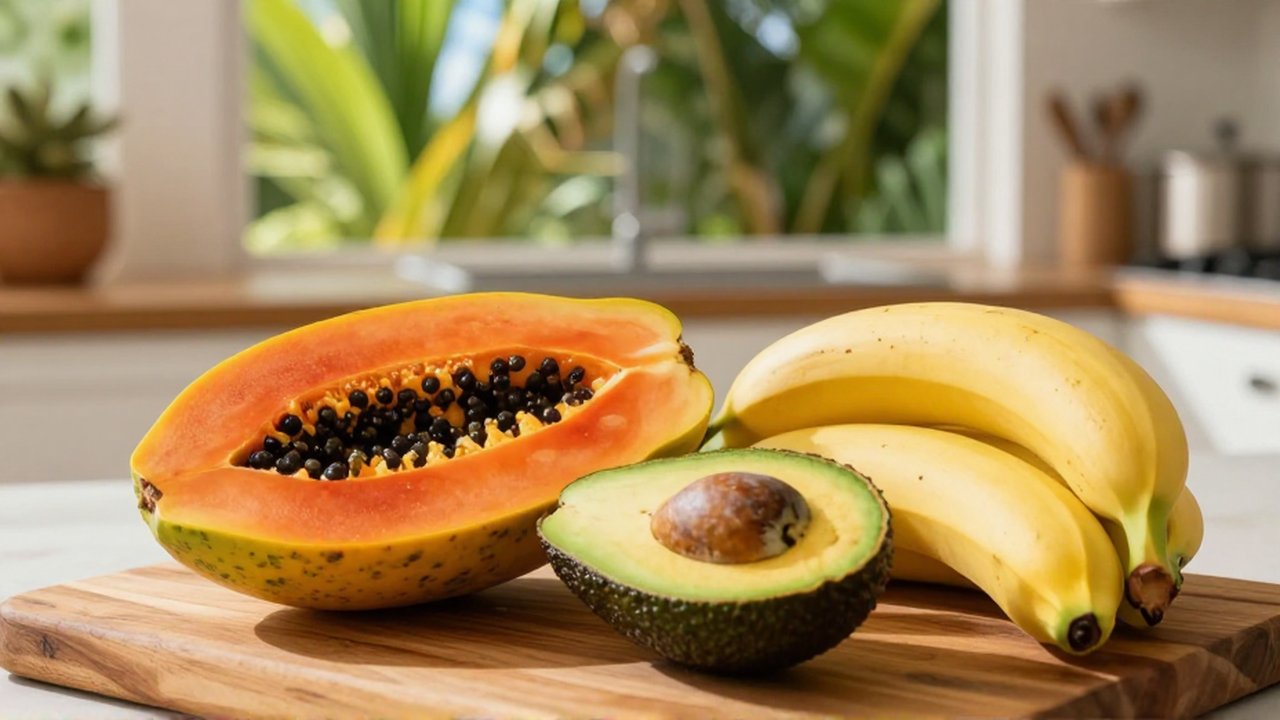
To understand which fruits might be most effective for your specific needs, it is helpful to look at how they compare. Generally, creamy or dense fruits tend to offer higher mineral concentrations than lighter, water-based fruits.
| Fruit Type | Primary Nutritional Benefit | Ease of Consumption |
|---|---|---|
| Banana | Quick energy and high starch | Very High |
| Avocado | Healthy fats and high potassium | Medium |
| Papaya | Digestive enzymes and vitamins | High |
| Mango | Antioxidants and Vitamin A | High |
| Coconut Water | Rapid hydration and electrolytes | Very High |
Tips for maximizing mineral absorption
To get the most out of these fruits, it is important to consume them in their whole form whenever possible. Eating the whole fruit ensures you receive the dietary fiber, which slows the absorption of sugars and provides a steady release of energy. For instance, eating a whole papaya is more beneficial for metabolic stability than drinking a highly processed papaya juice.
Variety is also a key strategy. Rather than relying solely on bananas, rotating through avocados, mangoes, and papayas ensures a wider spectrum of micronutrients and prevents dietary monotony. Additionally, paying attention to ripeness can change the nutritional profile; for example, as bananas ripen, their starch converts to sugar, which may affect how quickly they impact your blood glucose.
Frequently Asked Questions
Can I get too much potassium from fruit? For most healthy individuals, it is difficult to consume excessive amounts of potassium through whole fruits alone. However, individuals with specific medical conditions, such as kidney issues, should consult a healthcare professional, as their bodies may struggle to process high levels of potassium.
Is coconut water better than banana for potassium? Both are excellent sources, but they serve different purposes. Coconut water is superior for rapid hydration and electrolyte replacement after physical activity, whereas bananas and avocados provide more sustained energy and fiber.
Should I eat these fruits raw or cooked? Most tropical fruits for potassium, such as mango, papaya, and avocado, are best consumed raw to preserve their heat-sensitive vitamins. While some tropical fruits can be cooked, it is generally better for nutrient density to enjoy them fresh.
Do dried tropical fruits contain more potassium? Dried fruits like dried mango or papaya are more concentrated in nutrients, including potassium, because the water has been removed. However, they are also much higher in sugar and calories, so they should be consumed in moderation.
Leave a Reply