
Easy recipe for Dominican meat with onions
Introduction
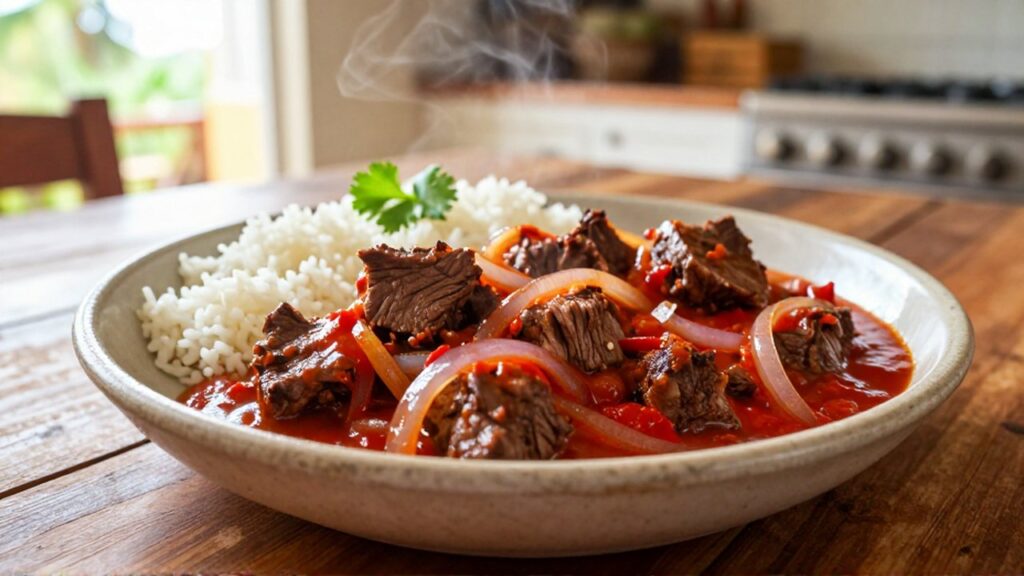
Dominican meat with onions, often referred to as Carne Encuerada or simply seasoned beef with onions, is a cornerstone of Dominican home cooking. This dish relies on the transformative power of sautéing meat with a generous amount of sliced onions, creating a savory, juicy result that defines the flavor of the Caribbean. It is an essential meal for any family dinner, offering a comforting balance of protein and intense, aromatic flavors that pair perfectly with white rice and beans.
Learning this recipe is vital for anyone wanting to master the basics of Dominican gastronomy. It is not just about cooking protein; it is about understanding how to build layers of flavor using simple, local ingredients. Because of its simplicity and speed, it is an ideal choice for busy weeknights when you want a high-quality, traditional meal without spending hours in the kitchen.
Essential ingredients for the recipe
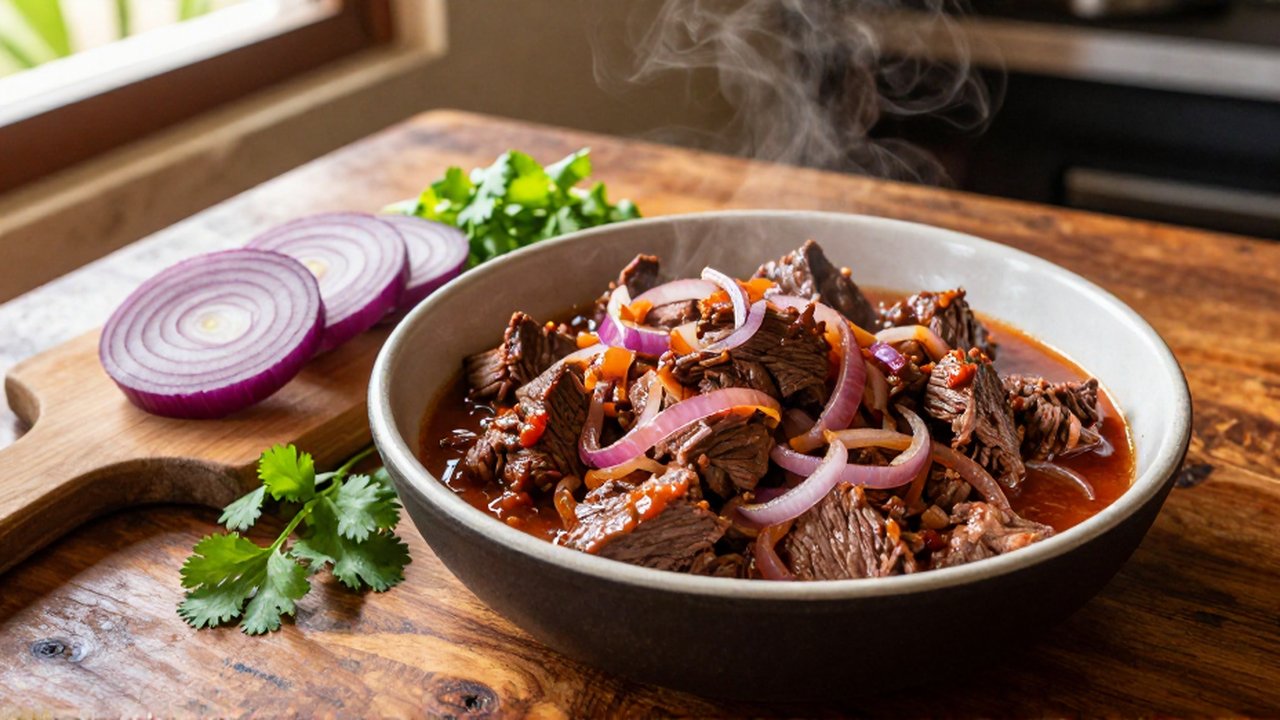
To achieve the authentic taste of the Dominican Republic, you must focus on the quality of your aromatics. The goal is to create a sauce that is thick and onion-based rather than watery.
- Beef: Use a cut that holds its shape during cooking, such as flank steak, skirt steak, or top round. Thinly sliced strips or cubes work best for quick cooking.
- Onions: This is the star of the dish. Use white or red onions, sliced into thick rings or half-moons. You will need more than you think to create the necessary "gravy."
- Aromatics: Garlic is non-negotiable. Freshly minced garlic provides the foundation of the flavor profile.
- Seasonings: Salt, black pepper, and dried oregano are the traditional pillars. Some variations include a touch of vinegar or lime juice to brighten the flavors.
- Cooking oil: A neutral oil with a high smoke point is recommended for searing the meat.
Step by step cooking instructions
Follow these steps to ensure the meat remains tender while the onions caramelize into a rich topping.
- Prepare the meat: Slice the beef into bite-sized pieces or thin strips. In a bowl, season the meat generously with salt, pepper, dried oregano, and minced garlic. For the best flavor, let the meat marinate for at least 15 to 30 minutes.
- Sear the beef: Heat oil in a large skillet over medium-high heat. Add the meat in batches to avoid crowding the pan. The goal is to brown the exterior of the meat quickly, which seals in the juices. Once browned, remove the meat from the pan and set it aside on a plate.
- Sauté the onions: In the same pan (retaining the juices from the meat), add the sliced onions. If the pan looks dry, add a small amount of oil or a splash of water. Sauté the onions until they become translucent and slightly soft, but not completely mushy.
- Combine and simmer: Return the meat and any accumulated juices back into the skillet with the onions. Lower the heat to medium-low. Cover the pan and let it simmer for a few minutes. This allows the meat to finish cooking through and enables the onions to release their sweetness into a light sauce.
- Final touch: Taste the sauce and adjust the seasoning. If you prefer a bit of acidity, add a teaspoon of vinegar right before serving.
Tips for the perfect Dominican meat
To move from a basic dish to a professional-grade meal, keep these culinary principles in mind:
- Don't skimp on onions: The quantity of onions determines the texture of the sauce. If you use too few, the dish will feel dry.
- Manage the heat: High heat is for searing the meat; low heat is for the onions and the final simmering stage. This prevents the garlic from burning and becoming bitter.
- The importance of the pan: Using a heavy-bottomed skillet helps distribute heat evenly, which is crucial for preventing the onions from sticking or burning unevenly.
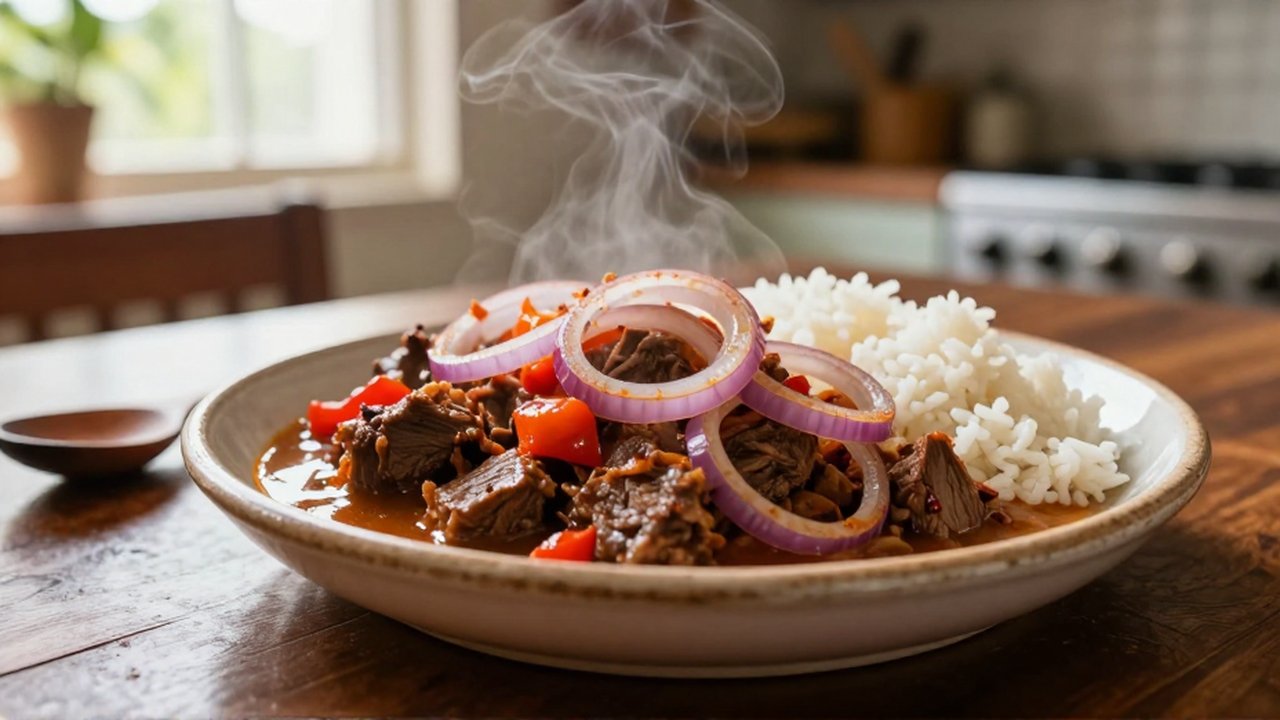
- Serving suggestions: This dish is traditionally served alongside Arroz Blanco (white rice), Habichuelas Guisadas (stewed beans), and perhaps some fried plantains (tostones) to complete the Dominican experience.
Common mistakes to avoid
One of the most frequent errors is overcrowding the pan during the initial searing process. When too much meat is added at once, the temperature of the pan drops, causing the meat to steam in its own juices rather than browning. This results in a gray, tough texture rather than a flavorful, seared crust.
Another mistake is slicing the onions too thin. While thin onions dissolve quickly, thicker slices provide the structural "bite" and visual appeal characteristic of this dish. Finally, avoid overcooking the meat during the final simmering stage, as this can lead to a chewy or dry consistency.
Frequently asked questions
What is the best cut of beef for this recipe? For a quick and easy version, skirt steak or flank steak are excellent because they cook quickly. If you have more time, a chuck roast cut into small cubes can be simmered longer for a more tender result.
Can I use dried onions instead of fresh? It is highly recommended to use fresh onions. The moisture and natural sugars in fresh onions are essential for creating the sauce that defines the dish.
How can I make this dish spicy? You can add sliced habanero or bell peppers during the onion sautéing stage, or serve it with a side of Dominican spicy sauce or hot sauce.
Can I prepare this in advance? Yes, this meat tastes even better the next day as the flavors continue to meld. Simply reheat it gently on the stove with a tiny splash of water to loosen the sauce.
Leave a Reply