
Best techniques for making Dominican Locrio recipe
Introduction
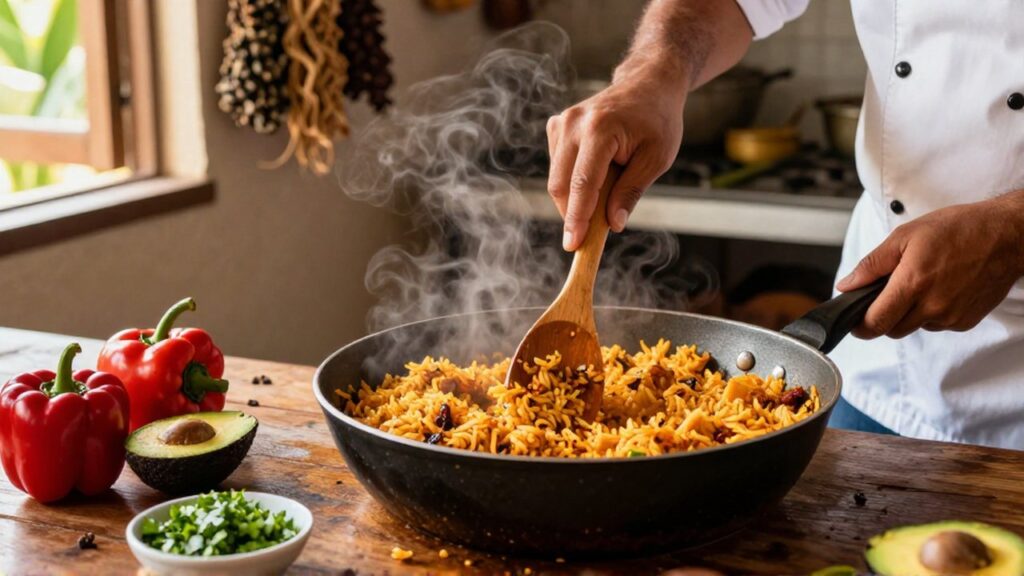
Locrio is a cornerstone of Dominican gastronomy, representing a flavorful and efficient one-pot meal that combines rice with various proteins such as chicken, pork, or seafood. Unlike a standard pilaf, a true Dominican locrio relies on a specific stewing process where the rice absorbs the concentrated essence of a seasoned base, resulting in a dish that is deeply aromatic and textured. It is a versatile staple used for family gatherings, daily lunches, or festive celebrations, serving as a testament to the island's ability to create complex flavors from simple ingredients.
Mastering the art of locrio requires an understanding of how to balance moisture, heat, and seasoning. The goal is to achieve grains that are distinct and fluffy, rather than mushy or dry, while ensuring the protein is tender and the bottom layer develops a slight crust. Learning these techniques allows any cook to move beyond basic following of recipes and instead develop an intuitive sense of flavor profiles and cooking stages that define this iconic Caribbean dish.
Essential ingredients for a flavorful base
The foundation of a great locrio lies in the "sofrito" or the aromatic base. To achieve an authentic taste, one must prioritize high-quality ingredients that build layers of flavor before the rice is even added. The most critical components include garlic, onions, bell peppers, and cilantro. In Dominican cooking, the use of tomato paste or fresh grated tomatoes is vital for providing both color and a subtle acidity that cuts through the richness of the meat.
The choice of protein dictates the seasoning profile. For chicken locrio, oregano and lime are indispensable, whereas seafood locrio might lean more heavily on garlic and even a hint of cumin. Using long-grain rice is a standard recommendation because it maintains its structural integrity during the stewing process. The quality of the stock or the water used is equally important; if you are not using a homemade broth, ensure your seasoning is robust enough to compensate for the lack of natural depth.
Mastering the sofrito and browning process
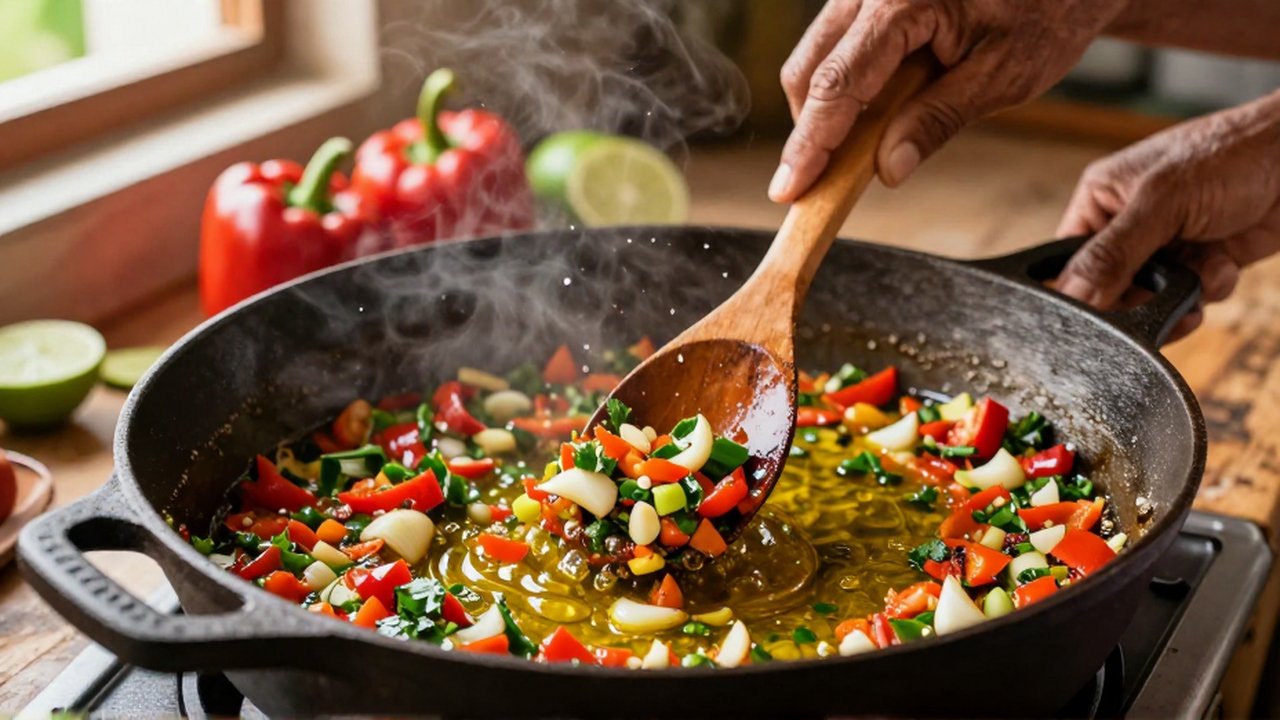
The first major technical step is the correct execution of the browning phase. Many cooks make the mistake of boiling the meat in water immediately, which results in a pale and flavorless dish. Instead, you should sear the meat in oil first. This process, known as browning, creates a Maillard reaction that adds deep, savory notes to the entire pot. Once the meat is golden, remove it briefly to sauté your aromatics.
When cooking the sofrito, do not rush the onions and peppers. They should be softened until they become translucent and fragrant. Adding the tomato paste at this stage is a crucial technique; frying the paste for a minute or two before adding liquids helps remove its raw metallic taste and intensifies its color. This concentrated base is what will eventually coat every grain of rice, providing that signature reddish-orange hue and rich aroma.
The importance of liquid ratios and simmering
Achieving the perfect texture is all about the ratio of liquid to rice and the management of heat. A common error is using too much water, which leads to a soggy, porridge-like consistency, or too little, which results in hard, undercooked grains. After the aromatics and meat are combined, you must add the liquid—usually water or broth—and bring it to a vigorous boil.
Once the rice is added and the liquid level has dropped to just below the surface of the rice, the heat must be reduced to a minimum. The technique of "stewing" the rice involves covering the pot tightly to trap the steam. This steam is what finishes the cooking process gently. If your lid is loose, consider placing a piece of parchment paper or a clean cloth under it to create a better seal, ensuring the rice cooks evenly through convection rather than just boiling.
Techniques for achieving the perfect rice texture
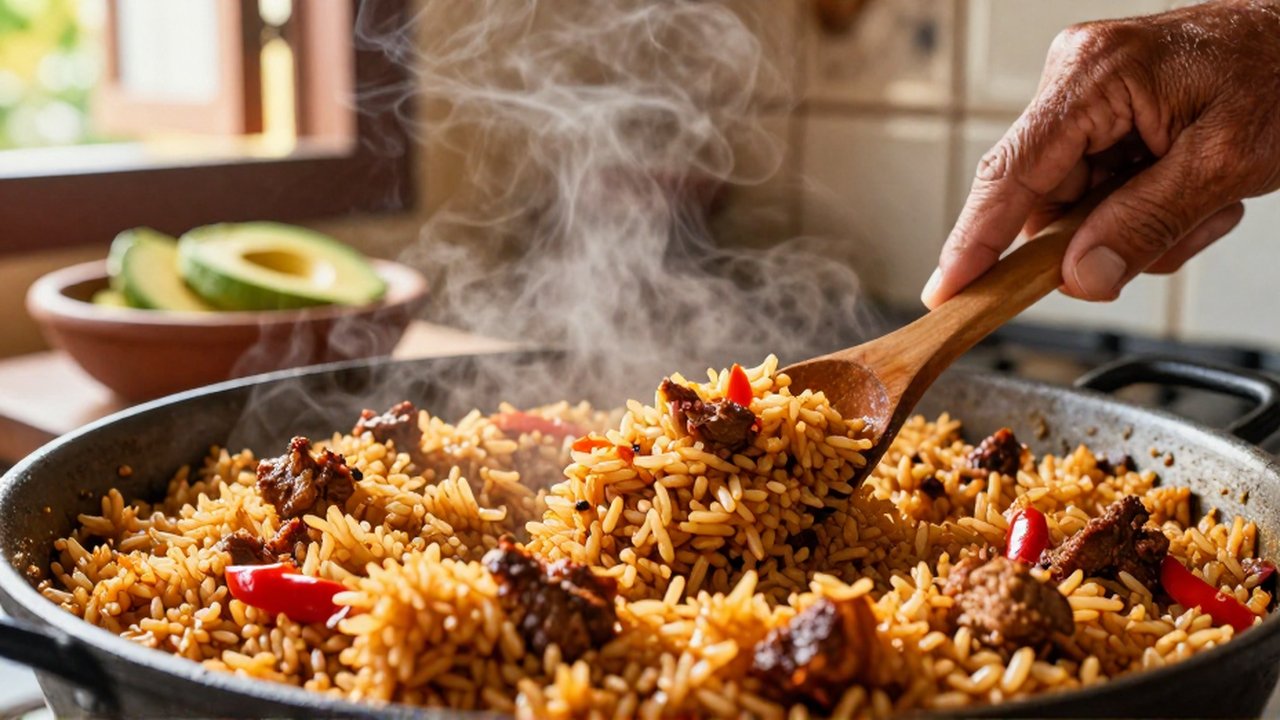
The hallmark of a professional-grade locrio is "grano suelto," or separate, distinct grains of rice. To prevent the grains from sticking together, avoid stirring the rice once it has begun to simmer. Stirring breaks the starch molecules and releases them into the liquid, which causes stickiness. Let the rice sit undisturbed in the steam for the final minutes of cooking.
Another advanced tip is the "resting period." Once the liquid is completely absorbed and the rice is tender, turn off the heat but do not open the lid immediately. Let the pot sit for about 10 to 15 minutes. This allows the moisture to redistribute, ensuring the bottom is no longer wet and the top layer is perfectly steamed. This resting stage is often the difference between a mediocre dish and a masterpiece.
Common mistakes to avoid in locrio preparation
| Mistake | Consequence | Solution |
|---|---|---|
| Over-stirring during simmering | Mushy, sticky rice | Leave the rice undisturbed once liquid is added |
| Not browning the meat | Lack of deep color and flavor | Sear meat thoroughly before adding vegetables |
| Using too much liquid | "Mazamorra" (rice porridge) texture | Use a precise ratio (usually 2:1 or 1.5:1) |
| Rushing the sofrito | Raw onion/garlic taste | Sauté aromatics until soft and fragrant |
Frequently asked questions
Can I use different types of rice for locrio? While long-grain white rice is traditional because it stays separate, parboiled rice is an excellent alternative for beginners as it is much more forgiving and less likely to become mushy.
How do I know if my locrio has enough liquid? When you first add the rice, the liquid should sit about one inch above the level of the rice. As it simmers, you should see steam escaping the sides, indicating the liquid is being absorbed.
Is it possible to make locrio vegetarian? Yes, you can replace the meat with hearty vegetables like chickpeas, plantains, or mushrooms. However, you should increase the amount of seasonings and perhaps use a vegetable bouillon to ensure the base remains flavorful.
Why is my locrio always dry? This usually happens because the heat was too high, causing the liquid to evaporate before the rice could soften, or the lid was not tight enough to trap the steam.
Leave a Reply