Healthy cooking techniques for Dominican tropical vegetables
Introduction
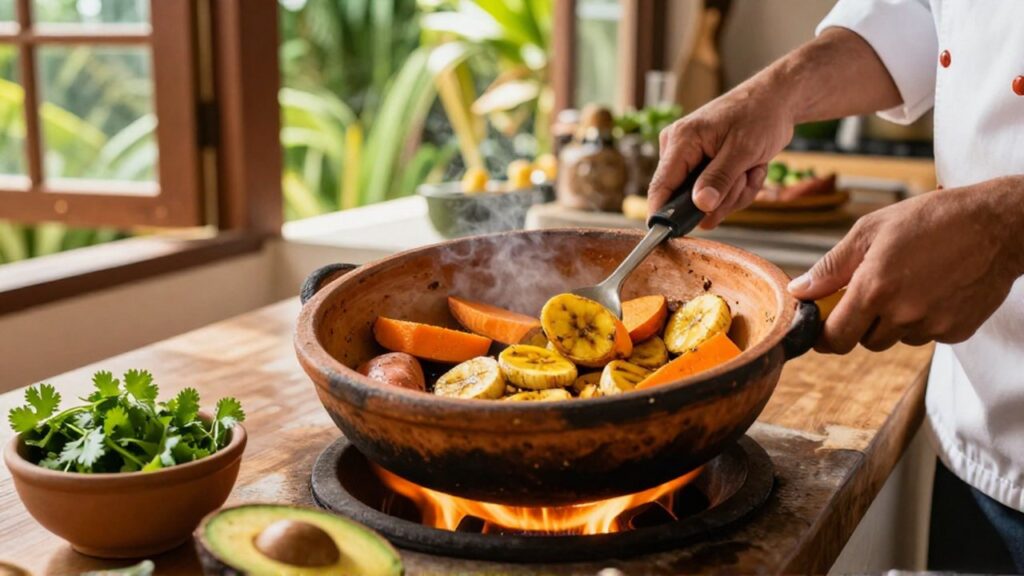
Dominican cuisine is defined by a vibrant array of tropical vegetables, such as plantains, yautía, calabaza, and various types of squash. These ingredients are nutritional powerhouses, providing essential fibers, vitamins, and complex carbohydrates that fuel the body. However, the traditional way these vegetables are often prepared—frequently through heavy frying or long simmering in fats—can diminish their inherent health benefits and increase caloric density.
Learning healthy cooking techniques allows you to preserve the micronutrients and natural flavors of these tropical staples. By mastering methods like steaming, roasting, and light sautéing, you can transform traditional Dominican dishes into balanced, dietetic-friendly meals. This approach is particularly useful for individuals looking to manage their weight, control blood sugar, or simply increase the nutrient density of their daily diet without sacrificing the cultural essence of the food.
Benefits of nutrient preservation through cooking
When preparing tropical vegetables like auyama (pumpkin) or yautía (taro), the primary goal for a health-conscious cook is to protect water-soluble vitamins, such as Vitamin C and the B-complex group. Overcooking vegetables in large amounts of water can cause these nutrients to leach out into the liquid, which is often discarded.
Using controlled heat environments can significantly change the nutritional profile of your meals. For instance, roasting vegetables at moderate temperatures can enhance their natural sweetness through caramelization without the need for added sugars. Similarly, steaming keeps the vegetable intact, ensuring that the fiber remains high and the texture remains satisfying, which aids in digestion and provides a longer sensation of fullness.
Steaming and boiling methods for tropical tubers
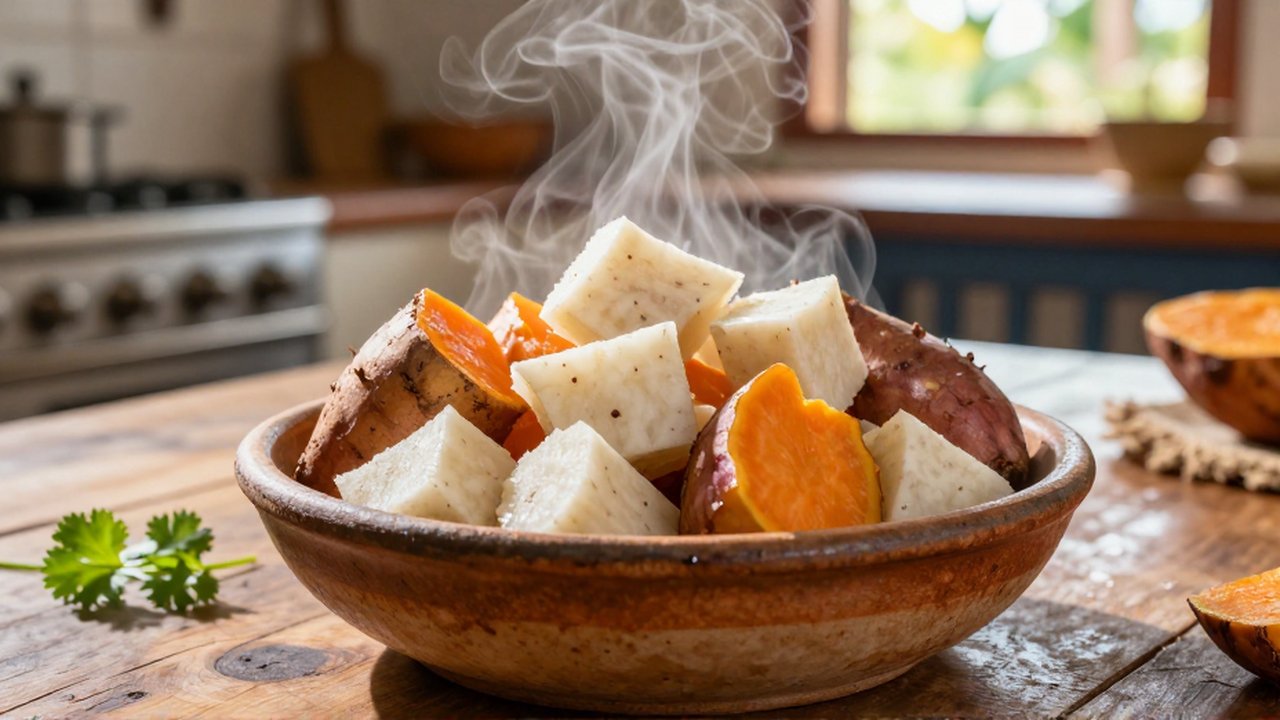
Steaming is arguably the most effective method for preserving the structural integrity and nutritional value of Dominican root vegetables. Unlike boiling, where the vegetable is submerged, steaming uses water vapor to cook the food.
To steam vegetables like guineitos (green bananas) or yautía effectively:
- Use a steamer basket to keep the vegetables above the boiling water.
- Cover the pot tightly to trap the steam.
- Cook only until the vegetable is tender but still holds its shape.
If you prefer boiling, it is recommended to use a minimal amount of water and keep the lid on the pot to prevent nutrient loss. A useful tip for those following a strict diet is to save the leftover cooking liquid. This "vegetable broth" can be used as a base for soups, ensuring that you consume the vitamins that escaped the vegetables during the boiling process.
Roasting and baking for enhanced flavor
Roasting is an excellent alternative to deep-frying, which is a common way to prepare plantains (plátanos) in Dominican households. While fritos are delicious, they are high in saturated fats and calories. Roasting provides a similar texture and a deep, rich flavor with a fraction of the oil.
To roast tropical vegetables healthily:
- Slice uniformly: Cut plantains or squash into consistent pieces to ensure even cooking.
- Limit oils: Instead of submerging the food in oil, lightly coat the vegetables with a brush using heart-healthy fats like olive oil.
- Use spices: Instead of heavy salt or processed seasonings, utilize garlic, oregano, or onion powder to enhance flavor.
- Temperature control: Use medium-high heat to achieve a golden exterior while keeping the inside soft.
Sautéing and light pan cooking
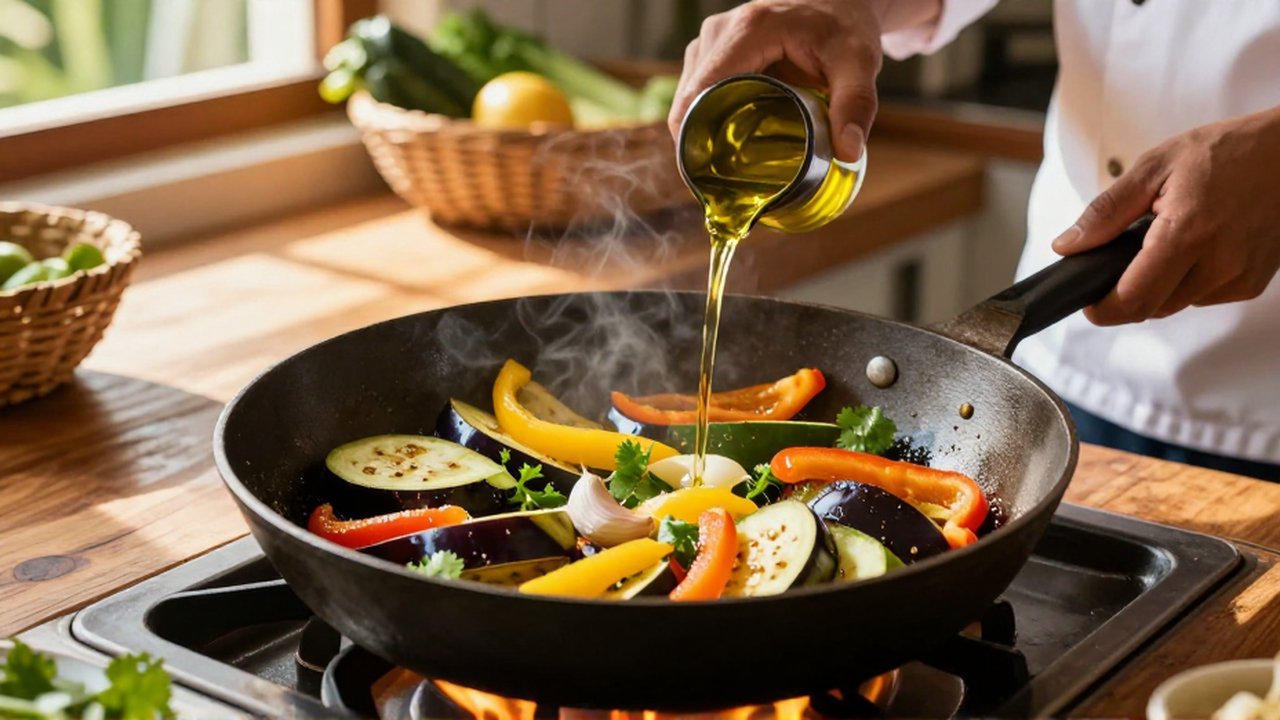
Sautéing is a versatile technique for vegetables like bell peppers, onions, and chayote (cidra). The key to a healthy sauté is the "sear and cover" method. By using a non-stick pan, you can significantly reduce the amount of fat required.
Begin by heating a small amount of oil, then add your vegetables. To speed up the cooking process without adding more fat, add a tablespoon of water or vegetable broth and cover the pan with a lid. This creates a mini-steaming environment within the pan, allowing the vegetables to soften quickly while still acquiring a light toasted flavor from the initial contact with the pan.
Common mistakes to avoid when preparing vegetables
Even with the best intentions, certain habits can undermine the nutritional value of tropical vegetables. Avoiding these common pitfalls will ensure your meals remain as healthy as possible.
| Mistake | Impact on Health | Better Alternative |
|---|---|---|
| Deep-frying | High calorie and fat intake | Roasting or air-frying |
| Overcooking | Loss of vitamins and fiber | Steaming until "al dente" |
| Excessive salt | Increased sodium levels | Fresh herbs and spices |
| Discarding liquids | Loss of leached nutrients | Using liquid for soups/sauces |
Frequently asked questions
How can I make plantains feel more satisfying without frying them? Try roasting them in the oven with a light coating of olive oil and garlic. This provides a creamy texture and a sweet, savory flavor that satisfies the craving for fried food.
Is it better to eat tropical vegetables raw or cooked? While some vegetables can be eaten raw, many tropical staples like yautía and plantains must be cooked to be digestible and safe. For cooked vegetables, steaming is generally the best way to keep nutrients intact.
Can I use frozen tropical vegetables for healthy cooking? Yes, frozen vegetables are often flash-frozen at peak ripeness, which preserves their nutrients. They are excellent for steaming or adding to soups.
How can I reduce the glycemic index of my vegetable dishes? Pair starchy vegetables, like plantains or tubers, with plenty of fiber-rich greens and a source of protein. This helps slow the absorption of sugars into your bloodstream.
Leave a Reply