
How to prepare soursop juice for a refreshing drink
Introduction
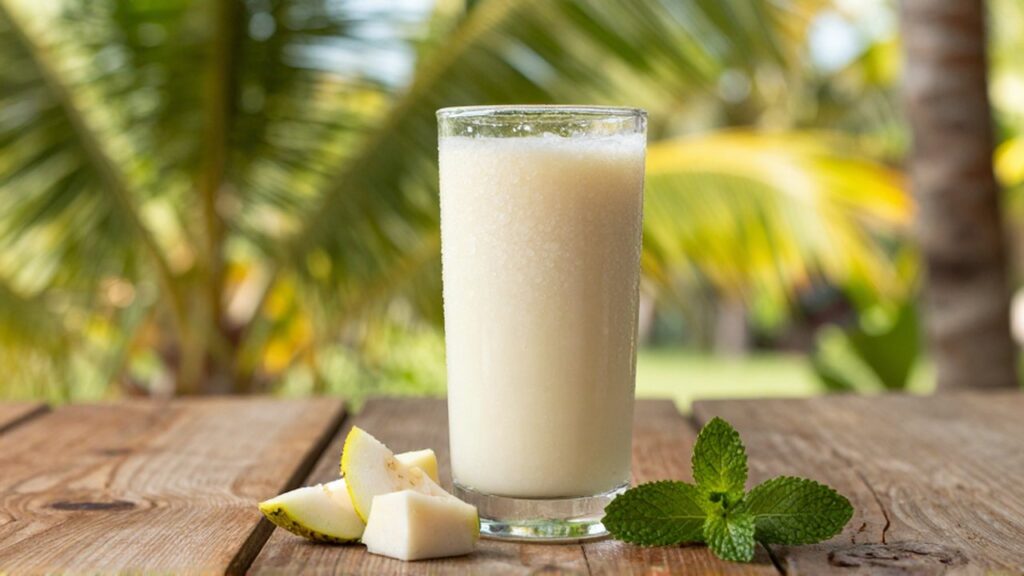
Soursop juice, known in Dominican Republic and other tropical regions as jugo de guanábana, is a beloved beverage celebrated for its creamy texture and unique flavor profile. This drink offers a sophisticated balance of sweet and acidic notes, making it an ideal choice for cooling down during hot tropical afternoons or serving as a nutritious accompaniment to a midday meal. Because of its thick consistency and aromatic qualities, it provides a much more substantial experience than standard citrus juices.
Preparing this juice at home allows you to control the sweetness and texture, ensuring a high-quality result every time. Whether you are looking for a quick refreshment or a specialized treat for guests, mastering the preparation of soursop juice is a fundamental skill for anyone interested in tropical flavors. This guide will walk you through the essential steps, from selecting the right fruit to achieving the perfect consistency.
Selecting the right soursop fruit
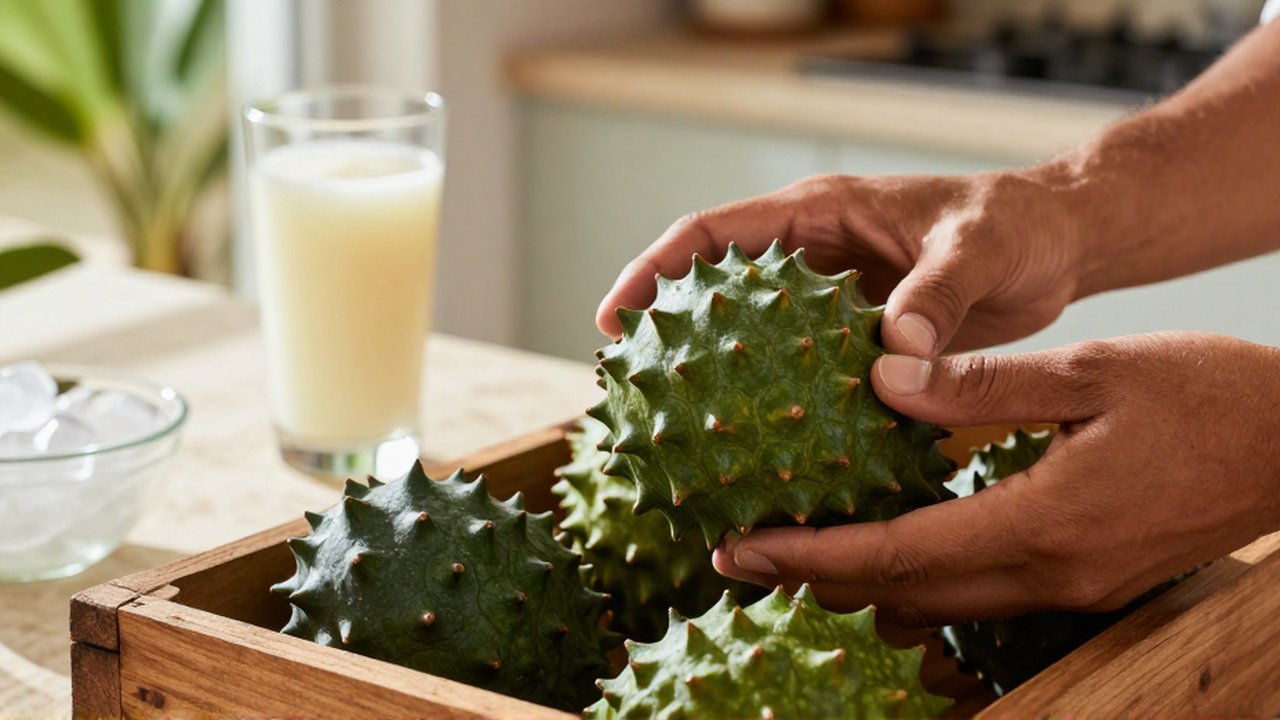
The success of your juice depends almost entirely on the quality of the fruit you choose. A ripe soursop should feel slightly soft to the touch, similar to a ripe avocado, but not mushy. The skin should be a dark green color, often with soft spines that are not overly sharp. When you press the fruit gently, it should give slightly under your fingers, indicating that the white, pulpy interior is juicy and ready for consumption.
If the fruit feels rock-hard, it is likely underripe and will yield very little juice, often tasting quite tart or astringent. Conversely, if the fruit has dark, bruised spots or feels overly soft, it may have begun to ferment, which will negatively impact the flavor of your drink. Always aim for a fruit that smells faintly sweet and tropical near the stem.
Ingredients needed for soursop juice
To create a classic, refreshing version of this drink, you do not need a long list of components. The focus remains on the purity of the fruit's flavor. Most traditional preparations follow a simple ratio of fruit to liquid.
- Fresh soursop pulp: The star ingredient.
- Water or coconut water: Use cold water for a standard version or coconut water for added tropical depth.
- Sweetener: Granulated sugar, honey, or agave nectar depending on your preference.
- Ice cubes: To ensure the drink is served chilled.
- Optional citrus: A squeeze of lime can help brighten the flavor and prevent oxidation.
Step by step preparation process
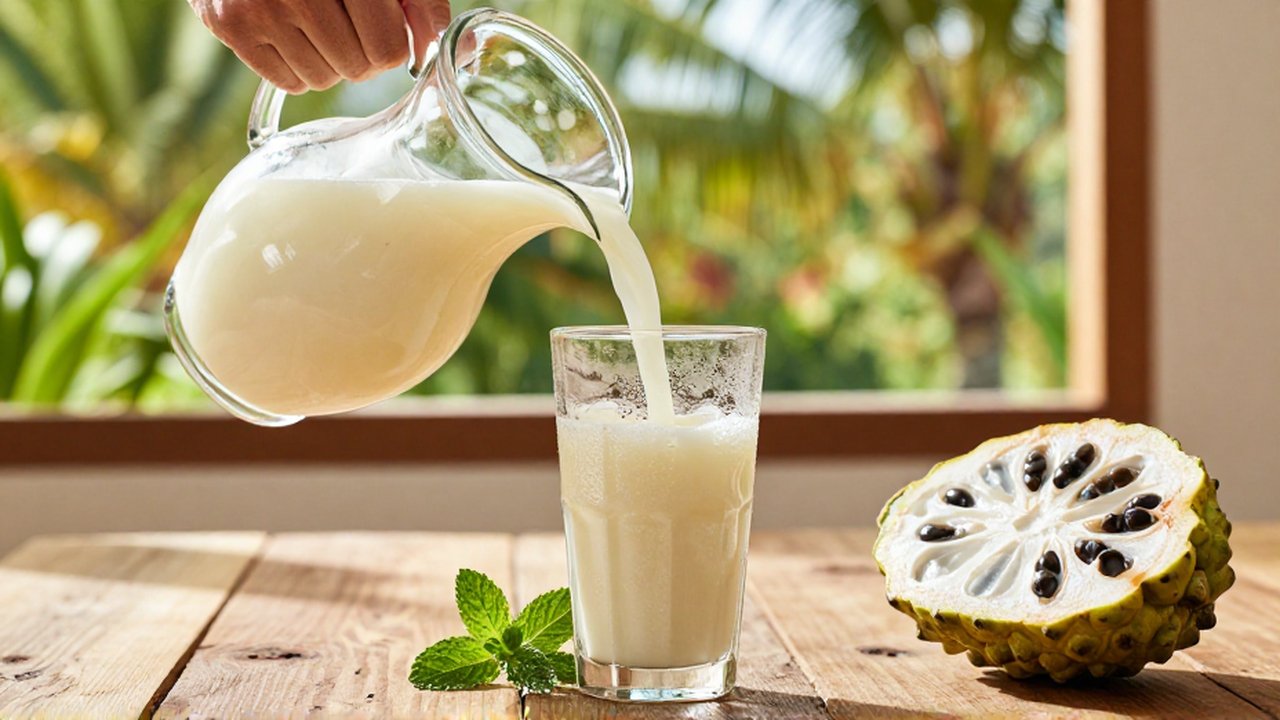
Follow these steps to transform the fruit into a smooth, delicious beverage.
- Extract the pulp: Carefully cut the soursop in half. Use a spoon to scoop out the white flesh, being careful to avoid the large, black, inedible seeds. It is vital to remove all seeds, as they can impart a bitter taste if blended.
- Combine ingredients: Place the cleaned pulp into a high-speed blender. Add your chosen liquid (water or coconut water) and your sweetener of choice.
- Blend thoroughly: Pulse the blender at a medium speed first to break down the larger chunks, then increase to high speed until the texture is completely uniform and creamy.
- Strain if necessary: If you prefer a very smooth, thin consistency, pour the mixture through a fine-mesh sieve into a pitcher. If you enjoy a thicker, more textured drink, you can skip this step.
- Chill and serve: Pour the juice into glasses filled with ice. For an extra touch of freshness, garnish with a sprig of mint.
Tips for better texture and flavor
Achieving the perfect balance between "juice" and "smoothie" is a matter of personal preference. If you find the juice too thick, simply add more water in small increments while blending. For those who prefer a richer mouthfeel, you can substitute a portion of the water with whole milk or coconut milk, creating a creamy nectar.
One common mistake is using too much sweetener too early. Because soursop has a complex acidity, it is best to add sweetener gradually while tasting the mixture. This ensures you do not mask the natural, delicate floral notes of the fruit. Additionally, serving the juice immediately after blending is recommended to maintain the best color and freshness.
Frequently asked questions
Can I use frozen soursop pulp? Yes, frozen pulp is an excellent and convenient option. Ensure the pulp is completely thawed before blending to avoid large unblended frozen chunks, or use a powerful blender to process it directly for a slushie-like texture.
Why is my soursop juice turning brown? Like many tropical fruits, soursop undergoes oxidation when exposed to air. To prevent this, add a small amount of lime juice to the mixture and store it in an airtight container in the refrigerator.
Should I blend the seeds by accident? If you accidentally blend a seed, the juice may take on a bitter or medicinal taste. If this happens, you must strain the juice through a very fine cloth or sieve immediately to remove any seed fragments.
Can I make this juice vegan? Absolutely. By using water or coconut water as the base and honey or agave as the sweetener, the drink remains entirely plant-based and naturally vegan.
Leave a Reply