
Steps for making Dominican style Pollo Guisado
Introduction
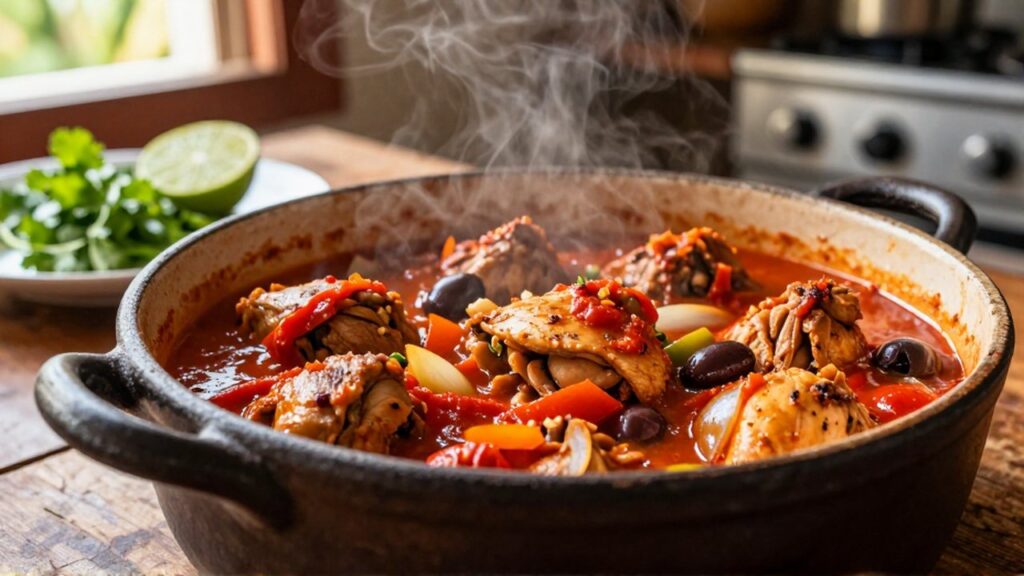
Pollo Guisado, or Dominican-style stewed chicken, is a cornerstone of Dominican gastronomy and a fundamental element of the traditional "Bandera Dominicana" meal. This comforting dish consists of chicken pieces simmered in a rich, savory sauce enriched by sofrito, olives, and aromatic vegetables. It is much more than a simple meal; it is a culinary staple served at family gatherings, Sunday lunches, and daily dinners across the Dominican Republic.
Learning how to prepare this dish allows you to bring the authentic flavors of the Caribbean into your own kitchen. The recipe relies on a specific layering of flavors, moving from aromatic sautéing to a slow braise that ensures the meat remains tender while the sauce becomes thick and flavorful. Mastering this technique is essential for anyone looking to explore the depth of Dominican home cooking.
Essential ingredients for authentic flavor

To achieve the true taste of Dominican Pollo Guisado, you must focus on the quality of your aromatics. The soul of the dish lies in the sofrito, a blend of vegetables that forms the flavor base. While many variations exist, the core components typically include onions, bell peppers, garlic, and cilantro.
The following ingredients are standard for a traditional preparation:
- Chicken: Bone-in, skin-on pieces are preferred as they provide more flavor and moisture during the simmering process.
- Aromatics: Fresh garlic, onions, green bell peppers, and cilantro.
- Seasonings: Oregano (preferably Dominican oregano), salt, black pepper, and tomato paste or sauce.
- Flavor Enhancers: Green olives (often stuffed with pimento), capers, and a splash of vinegar or lime juice.
- Vegetables: Hard vegetables like potatoes and carrots are often added to the stew to absorb the sauce and add texture.
Preparation and seasoning process
The secret to a great Pollo Guisado is not just in the cooking, but in the seasoning. Before any heat touches the pan, the chicken must be properly marinated. In a large bowl, combine your chicken pieces with crushed garlic, dried oregano, salt, pepper, and a bit of lime juice.
Allow the chicken to marinate for at least 30 minutes, though leaving it for several hours in the refrigerator will yield a much deeper flavor profile. This step ensures that the seasoning penetrates the meat rather than just sitting on the surface. Avoid using pre-packaged seasoning mixes if you want to maintain the authentic, bright profile of the dish.
Step by step cooking instructions
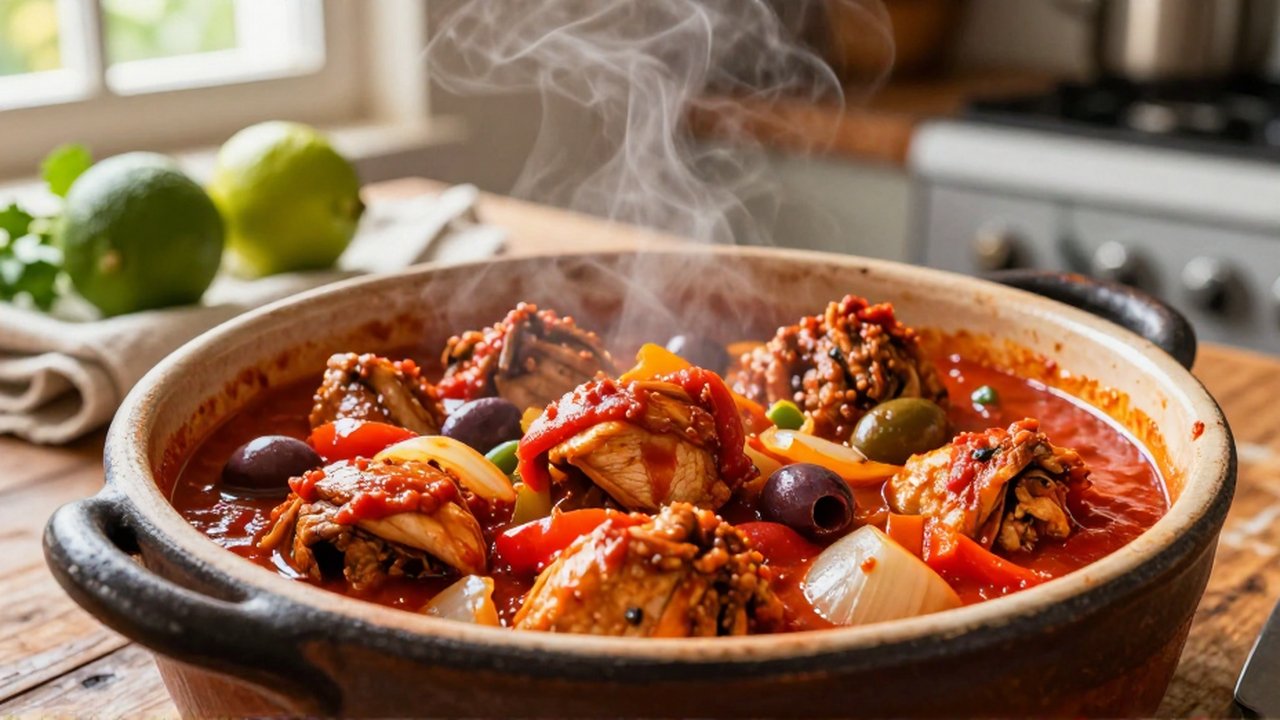
Following a logical order of operations is vital to ensure the chicken stays juicy while the sauce develops its characteristic thickness.
- Searing the chicken: Heat oil in a large pot or caldero. Remove the chicken from the marinade and brown the pieces on both sides. This creates a "fond"—the caramelized bits at the bottom of the pot—which is crucial for the sauce's color and depth. Once browned, remove the chicken and set it aside.
- Sautéing the aromatics: In the same oil, add your chopped onions, bell peppers, and garlic. Sauté until they are soft and fragrant. This is when you add the tomato paste, stirring it into the vegetables to "toast" it slightly, which removes the raw metallic taste.
- Simmering the stew: Return the chicken to the pot. Add the olives, capers, and enough water or chicken stock to almost cover the meat. Bring the liquid to a boil, then reduce the heat to low, cover the pot, and let it simmer gently.
- Adding vegetables: About halfway through the simmering process, add your diced potatoes and carrots. These should cook in the sauce so they become tender and infused with the savory liquid.
- Reducing the sauce: Once the chicken and vegetables are tender, remove the lid. If the sauce is too thin, increase the heat slightly to let it reduce until it reaches a thick, velvety consistency that coats the back of a spoon.
Common mistakes to avoid
One of the most frequent errors is skipping the browning stage. If you boil the chicken directly in the liquid without searing it first, you will miss out on the complexity of color and flavor that only the Maillard reaction can provide. Another mistake is using too much water too early; it is better to start with less liquid and add more as needed to prevent the sauce from becoming watery.
Additionally, be careful with the salt content. Because olives and capers are added to the dish, they contribute a significant amount of salinity. It is highly recommended to season the chicken lightly and then adjust the salt levels at the very end after the sauce has reduced and the flavors have concentrated.
Frequently asked questions
Can I use chicken breast instead of bone-in pieces? While you can use breast meat, it is more prone to drying out during the simmering process. If you use breast meat, consider adding it later in the cooking process to prevent overcooking.
What should I serve with Pollo Guisado? In the Dominican Republic, it is traditionally served with "La Bandera," which consists of white rice, stewed beans, and a side salad. The sauce from the chicken is excellent when poured over the rice.
How can I make the sauce thicker? If your sauce is too thin, remove the chicken and vegetables from the pot and boil the liquid on medium-high heat until it reduces. Alternatively, you can mash a small piece of the cooked potato back into the sauce to act as a natural thickener.
Leave a Reply