
A guide to using clove in Dominican desserts

Introduction
Clove is one of the most distinctive aromatic spices used in the Dominican kitchen, providing a deep, warm, and slightly pungent flavor profile. In the context of Dominican desserts, it acts as a cornerstone ingredient that bridges the gap between sweet sugars and complex spices. It is used to add depth to milk-based sweets, infuse fruity syrups, and enhance the aroma of baked goods, making them feel truly traditional and comforting.
Understanding how to use clove effectively is essential for anyone looking to master Caribbean confectionery. Because clove is incredibly potent, it is typically used in small quantities to avoid overpowering the delicate notes of ingredients like coconut, cinnamon, or nutmeg. When used correctly, it transforms a simple sweet into a multi-layered culinary experience that is synonymous with Dominican celebrations and home cooking.
Role of clove in Dominican confectionery
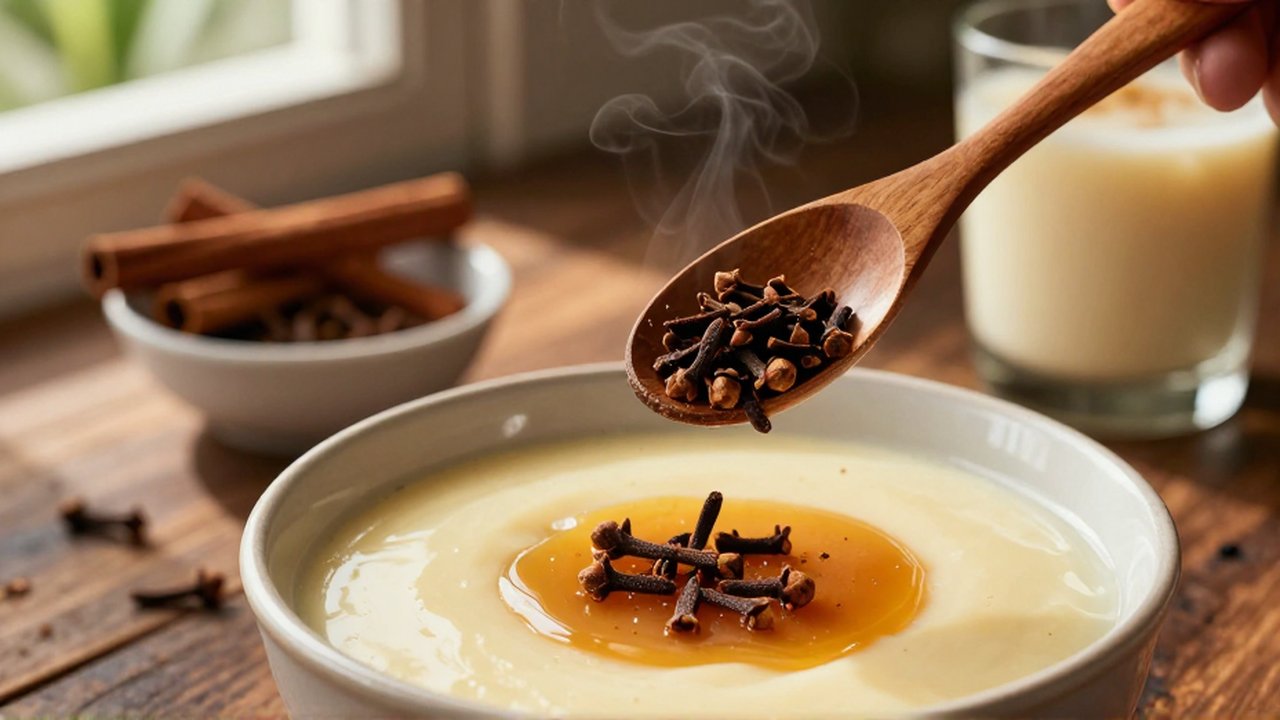
In Dominican desserts, clove serves more than just a flavor enhancer; it acts as an aromatic anchor. Many traditional recipes rely on a blend of "warm" spices, often referred to as a spice medley, where clove works alongside cinnamon and nutmeg. This combination is particularly vital in desserts that utilize heavy liquids, such as coconut milk or condensed milk.
For example, in many custard-like desserts or rice-based sweets, cloves are often simmered in the liquid base. This method allows the spice to release its essential oils gradually, ensuring the flavor is integrated into the very structure of the dessert rather than just sitting on the surface. The spice helps to cut through the richness of dairy and the intense sweetness of cane sugar, providing a sophisticated balance.
Common ways to incorporate clove into recipes
There are several practical techniques to introduce clove into Dominican sweets, depending on the texture and type of the dessert being prepared:
- Infusion through simmering: This is the most common method for liquid-based desserts like Habichuelas con dulce (sweetened beans) or various rice puddings. Whole cloves are added to the milk or syrup while it heats, absorbing the flavor.
- Dry spice blending: For baked goods like spiced bread or certain cakes, whole cloves are ground into a fine powder and mixed with flour, cinnamon, and nutmeg.
- Direct flavoring: In some cases, a tiny amount of ground clove is added directly to batters or fruit compotes to provide an immediate aromatic hit.
Best practices for measurement and intensity
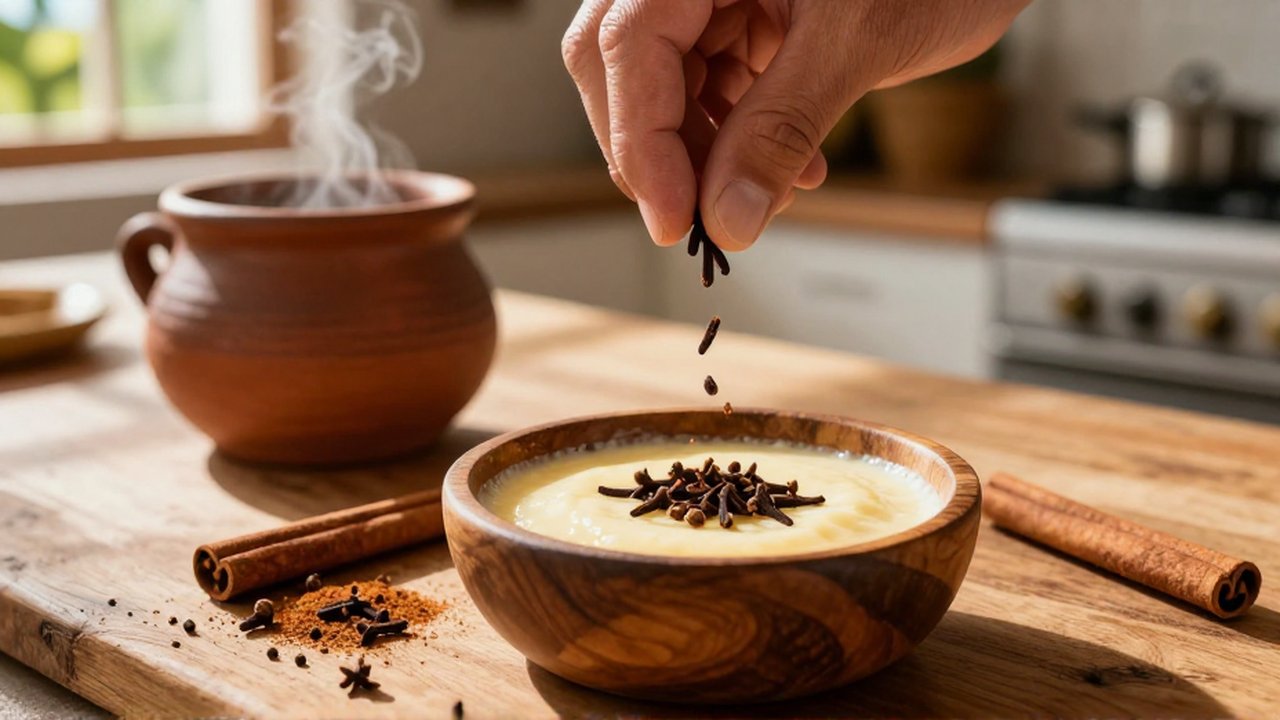
The most significant challenge when working with clove is its intensity. A single misplaced clove can dominate an entire dish, turning a sweet treat into something unpleasantly medicinal. To achieve the perfect balance, follow these guidelines:
| Method | Usage Tip | Recommended Amount |
|---|---|---|
| Whole Cloves | Best for simmering liquids; easy to remove before serving. | 2 to 4 cloves per liter of liquid. |
| Ground Clove | Best for baking; distributes flavor evenly. | A small pinch (less than 1/4 teaspoon). |
| Clove Oil | Extremely potent; use only for highly specific applications. | A single drop diluted in a carrier. |
It is highly recommended to use whole cloves whenever possible. This allows you to control the infusion time. You can taste the liquid periodically as it simmers; once the aroma reaches the desired intensity, you can simply strain the cloves out.
Essential pairings in Dominican sweets
Clove rarely works alone in the Dominican pantry. To create a well-rounded flavor profile, it should be paired with other ingredients that complement its spicy undertones.
Coconut and Clove: This is perhaps the most iconic pairing. The creamy, fatty nature of coconut milk mellows the sharpness of the clove, creating a smooth, tropical aroma.
Dairy and Clove: In desserts involving condensed milk or evaporated milk, clove provides a necessary contrast to the heavy sweetness, adding a hint of complexity that prevents the dessert from feeling cloying.
Warm Spices: Cinnamon is the natural partner for clove. Together, they form the backbone of the "sweet spice" identity found in many Caribbean treats, providing both top and base notes of flavor.
Frequently asked questions
Can I use ground clove instead of whole cloves in simmering liquids? Yes, but it is more difficult to control. Ground clove will stay suspended in the liquid, which can lead to a gritty texture and a much more intense, uneven flavor. If you use ground clove, start with a very small amount.
How should I store cloves to maintain their flavor? Cloves should be stored in an airtight container in a cool, dark place. Exposure to light, heat, and moisture will cause the essential oils to evaporate, leaving the spice tasteless.
Is it better to remove whole cloves before serving? Yes. In Dominican desserts that are served as puddings or custards, whole cloves are usually strained out or picked out before consumption to avoid the unpleasant texture of biting into a whole spice.
What happens if I use too much clove? If the clove flavor becomes too strong, it can taste medicinal or bitter. You can attempt to balance it by increasing the amount of dairy or coconut milk, but the best way to avoid this is to infuse the spices gradually.
Leave a Reply