
Which Dominican vegetables provide essential Vitamin K
Introduction
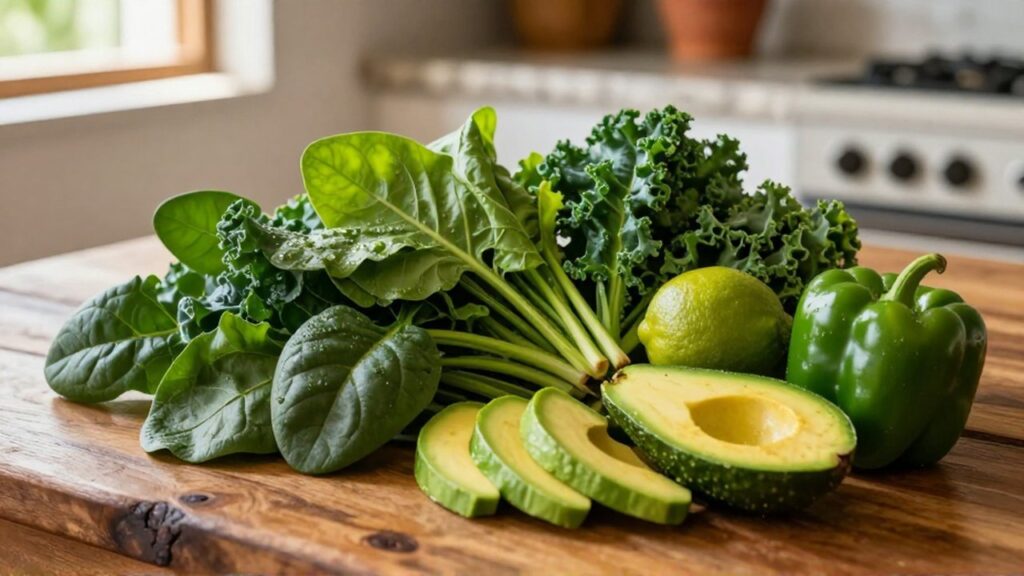
Vitamin K plays a fundamental role in maintaining bodily health, primarily by facilitating proper blood clotting and supporting bone density. Without sufficient levels of this essential nutrient, the body struggles to repair injuries and maintain a strong skeletal structure. For those living in or enjoying the flavors of the Dominican Republic, accessing these nutrients is remarkably easy due to the abundance of fresh, locally grown produce.
Incorporating a variety of tropical and temperate vegetables into your daily diet is the most effective way to ensure a steady intake of Vitamin K. The Dominican landscape provides a rich variety of leafy greens and starchy roots that, when prepared traditionally, offer significant nutritional benefits. Understanding which local vegetables are the most potent sources can help you optimize your meal planning for better health outcomes.
Importance of Vitamin K in a Dominican diet
Vitamin K is a fat-soluble vitamin, meaning it is absorbed more efficiently when consumed with a small amount of healthy fat. In the context of Dominican cuisine, many traditional cooking methods—such as sautéing vegetables in olive oil or incorporating them into stews with modest amounts of fat—naturally aid in this absorption process. This nutrient is vital for preventing excessive bleeding and ensuring that your bones remain resilient as you age.
Since many Dominican dishes rely on fresh ingredients sourced directly from local markets, there is a significant opportunity to boost Vitamin K intake through simple dietary adjustments. By prioritizing green, leafy vegetables and certain seasonal produce, you can easily meet your daily requirements without needing processed supplements.
Top Dominican vegetables rich in Vitamin K
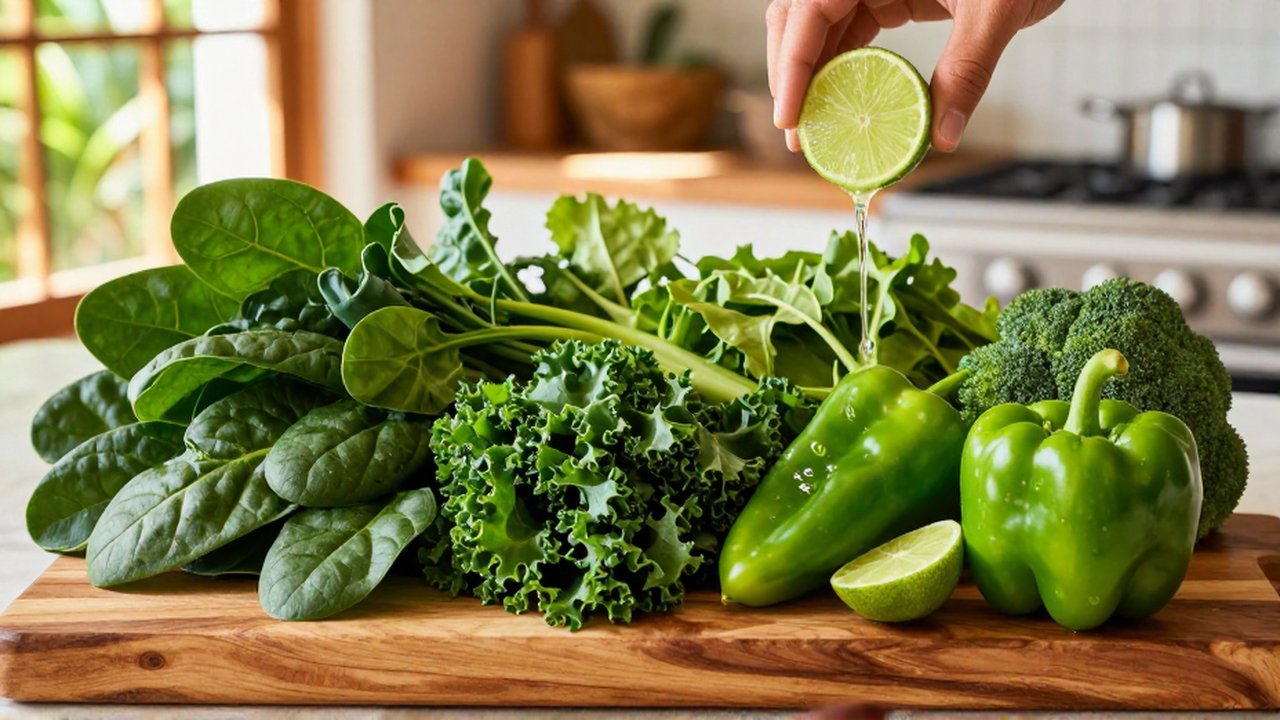
The most concentrated sources of Vitamin K are almost always the dark, leafy green vegetables. In the Dominican Republic, these are staples in many household kitchens.
Leafy Green Powerhouses
- Spinach (Espinaca): While widely available globally, spinach is a common sight in Dominican markets and is one of the most potent sources of Vitamin K. It can be easily incorporated into omelets or steamed as a side dish.
- Collard Greens (Berros and similar greens): Various types of local greens used in traditional soups and stews are exceptional sources. These greens are often simmered for long periods, making them a foundational part of many nutritional diets.
- Kale (Col rizada): Increasingly available in local urban markets, kale provides a highly concentrated dose of Vitamin K and other essential antioxidants.
Other Notable Sources
- Broccoli: Often used in modern Dominican cooking, broccoli is a reliable source of this nutrient.
- Cabbage (Repollo): A staple in "ensalada" (salads) and often used in sautéed preparations, cabbage offers a moderate amount of Vitamin K, especially when consumed raw or lightly steamed.
Nutritional comparison of local greens
The following table provides a general comparison of how different types of vegetables common in the region contribute to your Vitamin K intake.
| Vegetable Type | Vitamin K Concentration | Best Preparation Method |
|---|---|---|
| Dark Leafy Greens (Spinach/Berros) | Very High | Steamed or lightly sautéed |
| Cruciferous Greens (Broccoli/Cabbage) | High | Sautéed or in soups |
| Mixed Salad Greens | Moderate | Raw in fresh salads |
Tips for maximizing nutrient absorption
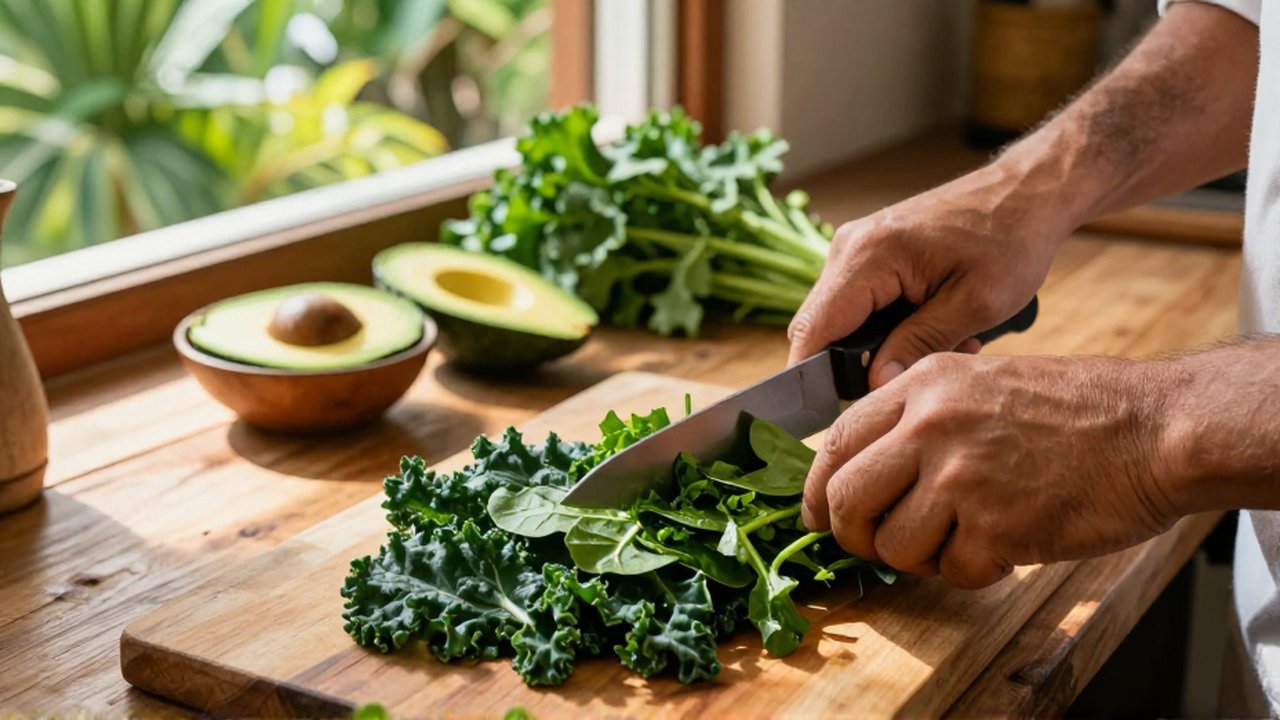
To get the most out of these vegetables, consider how they are prepared. Because Vitamin K is fat-soluble, eating your greens with a source of fat—such as avocado, which is abundant in the Dominican Republic, or a drizzle of olive oil—is highly recommended.
Furthermore, while cooking can help reduce the volume of certain vegetables (allowing you to eat more of them), excessive boiling in large amounts of water can cause some nutrients to leach out into the liquid. Using the cooking liquid in a soup or stew is an excellent way to reclaim those lost nutrients.
Common mistakes in vegetable consumption
One frequent mistake is overcooking vegetables until they lose their vibrant color. When greens turn a dull, brownish color, it is often a sign that heat-sensitive nutrients have been degraded. Aim for "al dente" or lightly steamed textures to preserve both flavor and nutritional integrity.
Another mistake is relying on a single source of Vitamin K. While spinach is excellent, a diverse diet that includes cabbage, broccoli, and various local herbs ensures a broader spectrum of micronutrients and prevents nutritional monotony.
Frequently asked questions
How much Vitamin K do I need daily? Daily requirements vary based on age, gender, and overall health, but focusing on a variety of green vegetables is generally sufficient for most healthy individuals.
Can I get Vitamin K from tropical fruits? While some tropical fruits contain vitamins, the highest concentrations of Vitamin K are found in leafy green vegetables rather than in fruits.
Does cooking destroy Vitamin K? Light cooking can actually help with absorption, but extreme heat or boiling vegetables in excessive water for long periods can reduce the total nutrient content.
Are there any risks to consuming high amounts of Vitamin K? For most people, consuming Vitamin K through food is safe. However, individuals taking blood-thinning medications should consult a healthcare professional, as significant changes in Vitamin K intake can affect medication efficacy.
Leave a Reply