
Comparison between coconut milk and coconut cream in desserts

Introduction
In the vibrant landscape of Dominican desserts, coconut is a fundamental ingredient that provides both flavor and a distinct tropical texture. However, many home cooks and aspiring pastry chefs often confuse coconut milk with coconut cream, leading to inconsistent results in their recipes. Understanding the technical differences between these two liquids is essential for achieving the desired mouthfeel and richness in traditional sweets and modern confections.
Choosing the correct variant determines whether a dessert will be light and refreshing or dense and indulgent. While both products are derived from the same source, their fat content and viscosity vary significantly. This distinction affects how they interact with other ingredients like sugar, starch, and eggs, making the choice a critical step in the culinary process.
Differences in composition and texture

The primary distinction between coconut milk and coconut cream lies in the ratio of coconut solids to water. Coconut milk is a thinner, more liquid consistency. It is typically produced by combining coconut meat with a larger amount of water, resulting in a product that is lighter and easier to pour. This makes it ideal for recipes where a subtle hint of coconut is desired without overwhelming the palate.
Coconut cream, on the other hand, is much thicker and significantly more concentrated. It contains a much higher percentage of coconut fat and far less water. The texture is velvety and heavy, often resembling a thick sauce or a soft solid when chilled. Because of its high fat content, coconut cream provides an intense, luxurious mouthfeel that can transform a simple pudding into a decadent dessert.
| Feature | Coconut Milk | Coconut Cream |
|---|---|---|
| Consistency | Thin and liquid | Thick and viscous |
| Fat Content | Moderate | Very high |
| Primary Use | Flavoring and hydrating | Richness and structure |
| Flavor Intensity | Subtle and light | Bold and intense |
Choosing the right ingredient for your dessert
Deciding which one to use depends on the specific structure and goal of your recipe. If you are making a coconut-based beverage or a light gelatin-based dessert, coconut milk is usually the superior choice. It integrates easily with other liquids and does not add excessive heaviness, allowing the other flavors, such as vanilla or tropical fruits, to shine through.
When the objective is to create a stable, creamy base, coconut cream is indispensable. It is the preferred ingredient for making coconut custards, thick mousses, or rich ganaches. In many traditional Caribbean desserts, the fat in the coconut cream acts as a stabilizing agent, helping the dessert hold its shape once it has cooled. Using coconut milk in a recipe that requires the structural integrity of cream may result in a dessert that is too runny or fails to set properly.
Practical applications in tropical sweets
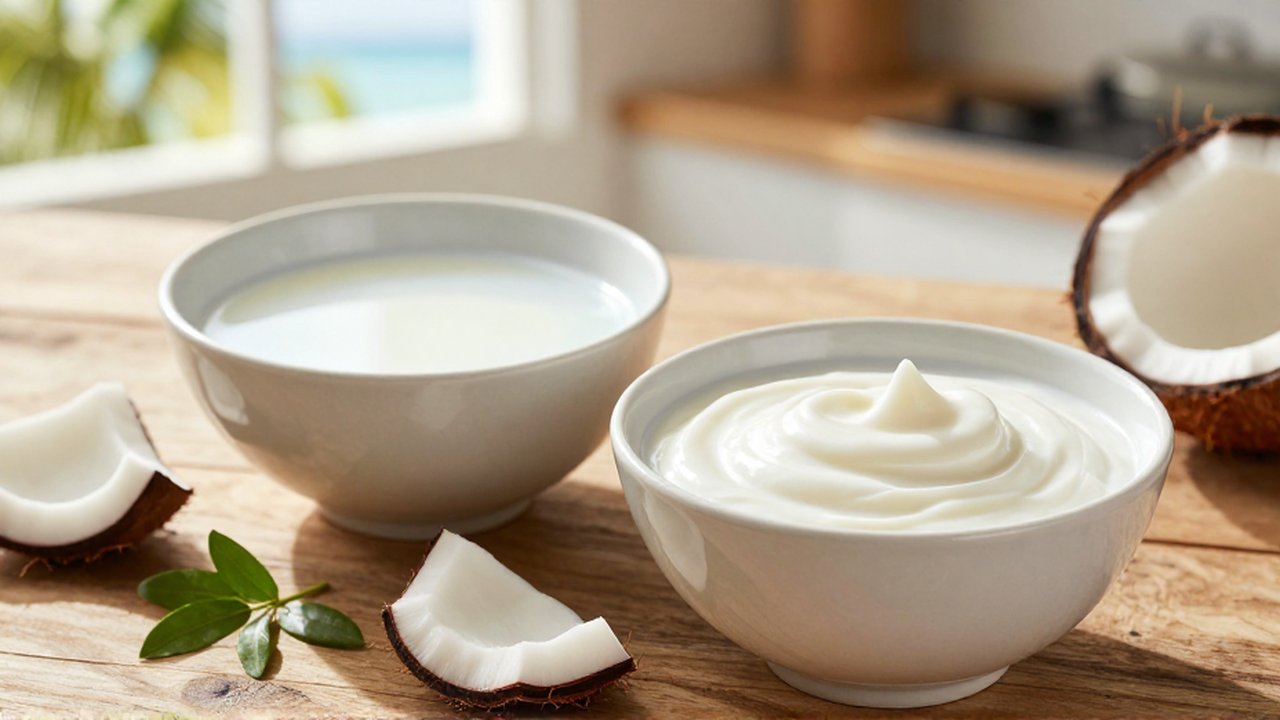
Coconut milk excels in recipes that require a delicate infusion of flavor. For example, when poaching fruits or preparing light coconut rice puddings where a liquid consistency is necessary, coconut milk provides the perfect medium. It allows the grains or fruit to absorb the coconut essence without making the final dish feel oily or overly heavy.
Coconut cream is the heavy lifter for decadent treats. It is essential for making coconut truffles, thick coconut-based frostings, or traditional creamy puddings that need to stand firm on a plate. Furthermore, if a recipe calls for a rich topping, a dollop of coconut cream can offer a luxurious contrast to more acidic or light elements of the dish.
Common mistakes when substituting ingredients
A frequent error in dessert making is attempting to swap coconut milk for coconut cream without adjusting the recipe. If you replace coconut cream with coconut milk, your dessert will likely lack the necessary fat to set or achieve the intended richness, resulting in a watery or thin texture. The dessert may end up tasting "thin" and lacking the characteristic tropical indulgence.
Conversely, substituting coconut cream for coconut milk can lead to an overly greasy or cloying result. Because coconut cream is so concentrated, using it in place of milk can make the dessert feel heavy on the tongue and may even cause it to separate if it is not properly emulsified with other ingredients. If you must make a substitution, it is wise to dilute the cream with water or milk to match the required consistency.
Frequently asked questions
Can I make coconut cream from coconut milk? Yes, you can increase the thickness of coconut milk by chilling it and separating the thick cream that rises to the top, or by reducing it over low heat, though careful monitoring is required to avoid burning the fats.
Is coconut cream healthier than coconut milk? Both contain coconut fats, but coconut cream is much higher in calories and saturated fats due to its concentrated nature. Coconut milk is a lighter alternative for those looking for a more moderate fat intake.
Can I use canned coconut milk instead of fresh? Canned versions are widely used and highly effective in desserts. However, always check the label to ensure no thickeners or additives have been included that might alter the texture of your specific recipe.
What happens if my coconut cream separates? Separation is common due to the high fat content. Simply whisking the cream vigorously or warming it slightly can often reintegrate the fats and liquids for a smooth consistency.
Leave a Reply