Traditional Dominican recipes for guava paste confections

Introduction
Guava paste confections, known locally as dulce de guayaba, represent a cornerstone of Dominican confectionery traditions. This dense, vibrantly colored fruit preserve is much more than a simple sweet; it is a versatile ingredient used to create various textures and flavors that define Caribbean dessert culture. Whether served as a standalone treat or paired with salty cheeses, these confections showcase the natural sweetness and intense aroma of tropical guavas.
Mastering these recipes allows you to recreate the authentic flavors of a Dominican household. These confections are appropriate for festive celebrations, afternoon coffee breaks, or as a thoughtful homemade gift. Understanding the balance between fruit pulp, sugar, and traditional cooking techniques is essential to achieving the perfect consistency, ranging from soft, spreadable textures to firm, sliceable blocks.
Essential ingredients for authentic guava paste
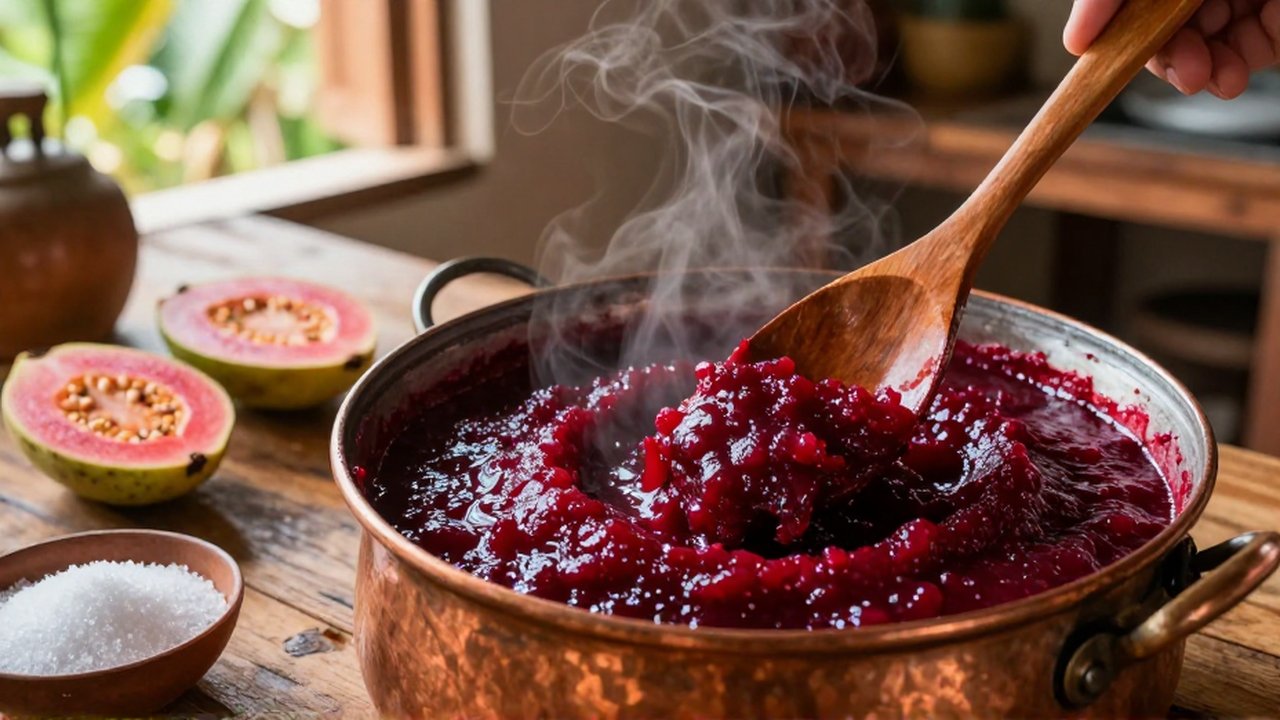
To achieve the deep, concentrated flavor characteristic of Dominican desserts, the quality of the raw ingredients is paramount. The process relies on a minimal list of components that work in harmony to transform fruit into a confection.
- Ripe Guavas: The most critical element. The fruit must be fully ripe to ensure maximum sugar content and a strong aromatic profile.
- Granulated Sugar: Used not only for sweetness but also as a preservative and a structural agent to help the paste set.
- Water: Used to extract the pectin and pulp from the fruit during the initial boiling phase.
- Citric Acid or Lemon Juice: A small amount of acidity is necessary to balance the intense sweetness and to help the natural pectins in the fruit react, which aids in the thickening process.
Traditional process for making guava paste blocks
The most common form of this confection is the firm, rectangular block that can be sliced. This version requires patience and constant attention to prevent the high sugar content from burning.
The first step involves cleaning and boiling the guavas in water until they are soft. Once tender, the fruit is blended or mashed and then passed through a fine-mesh sieve to remove all seeds and fibrous bits. The resulting smooth puree is then placed in a heavy-bottomed pot with sugar, typically in a ratio that allows for a thick, stable consistency.
The cooking process requires simmering the mixture over medium-low heat, stirring continuously with a wooden spoon. As the water evaporates, the mixture will thicken and darken. The "point" of the paste is reached when the mixture pulls away from the sides of the pot and holds its shape when dropped into a small amount of cold water. Once reached, the paste is poured into a greased tray, leveled, and left to cool completely before being sliced into cubes or rectangles.
Creative guava paste variations and pairings
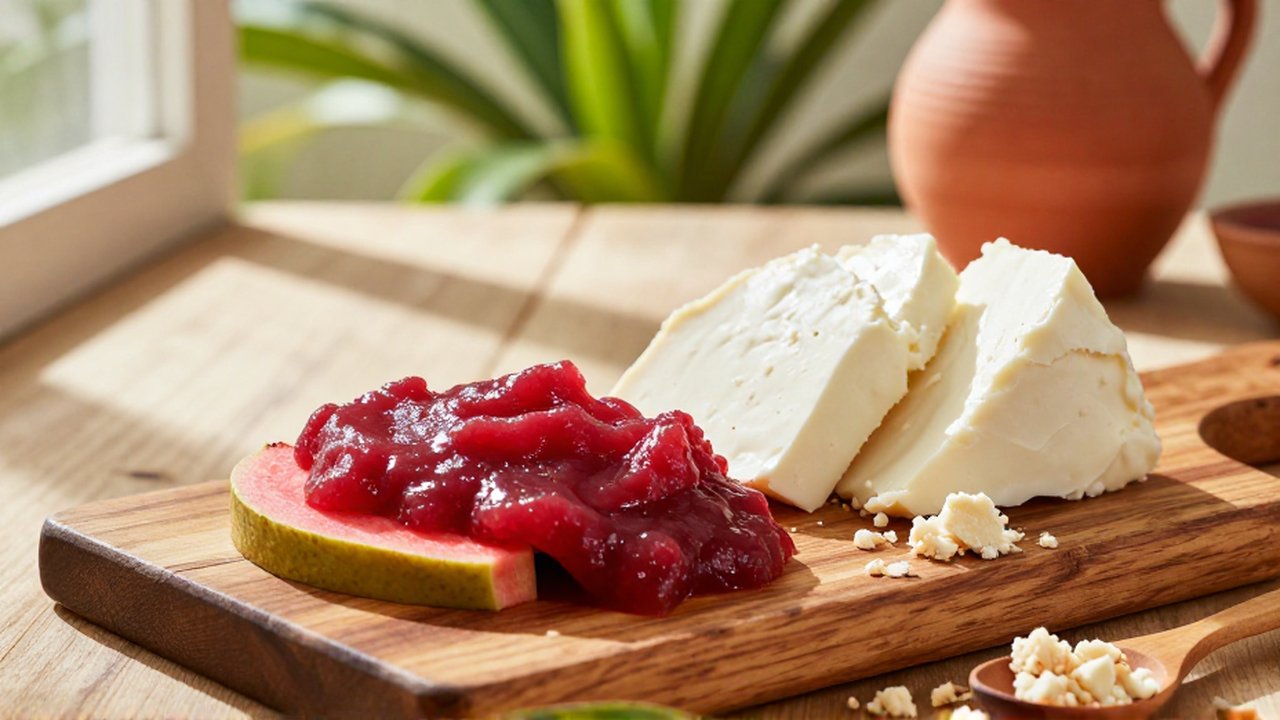
Guava paste is rarely used in isolation in Dominican culinary traditions. Its ability to pair with different flavor profiles makes it a dynamic ingredient for various confections.
One popular variation involves making Guava and Cream Cheese Sandwiches, often referred to as postre de guayaba y queso. While simple, this is a quintessential Dominican experience where the tartness of the cheese cuts through the dense sweetness of the paste.
For a more complex confection, some recipes incorporate spiced guava paste. By adding a hint of cinnamon or cloves during the simmering process, the flavor profile becomes deeper and more festive. Another method involves coating the firm guava blocks in a thin layer of shredded coconut after they have set, adding a textural contrast that is highly prized in local sweets.
Common mistakes when cooking guava confections
Achieving the perfect texture can be challenging for beginners. Recognizing these frequent issues can save time and ingredients.
| Problem | Likely Cause | Solution |
|---|---|---|
| Grainy Texture | Sugar was not fully dissolved or heat was too high. | Stir more frequently and ensure sugar is incorporated before the mixture thickens. |
| Too Soft to Slice | Not cooked long enough or insufficient sugar/pectin. | Continue cooking until the mixture reaches the proper "pull away" stage. |
| Burnt Flavor | Using a thin pot or neglecting to stir the bottom. | Always use heavy-bottomed cookware and stir constantly. |
| Watery Consistency | Insufficient evaporation or too much added water. | Increase simmering time to ensure enough moisture has departed. |
Frequently asked questions
Can I use guava nectar instead of whole fruit? While guava nectar can be used, it often contains additives and less natural pectin. Using whole, ripe guavas provides a superior texture and a more authentic, intense flavor.
How should I store homemade guava paste? Guava paste has a relatively long shelf life due to its high sugar content. It should be stored in an airtight container in a cool, dry place. For longer storage, refrigeration is recommended.
Why is my guava paste too hard after cooling? This usually happens if the mixture was cooked for too long or if the sugar ratio was too high. Overcooking evaporates too much moisture, resulting in a candy-like hardness rather than a soft paste.
Is it necessary to strain the guava pulp? Yes, straining is vital. The seeds of the guava are hard and can ruin the smooth, luxurious mouthfeel required for high-quality confections.
Leave a Reply