
Step by step guide to making Dominican papaya smoothies
Introduction
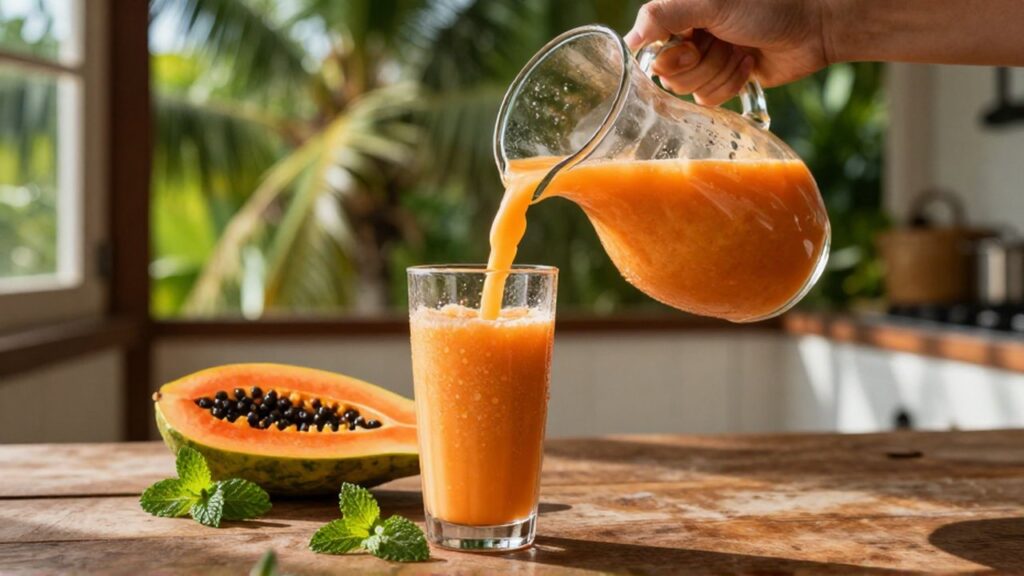
A Dominican papaya smoothie, often referred to locally as a batido de lechosa, is a cornerstone of tropical refreshment in the Dominican Republic. This creamy, nutrient-dense beverage utilizes the naturally sweet and velvety flesh of the papaya to create a satisfying drink that serves as both a breakfast staple and a cooling midday treat. Because the fruit is abundant and affordable in the Caribbean, it has become a fundamental part of the island's culinary identity, valued for its soothing texture and vibrant flavor profile.
Mastering this smoothie allows you to bring a piece of Dominican breakfast culture into your own kitchen. Whether you are looking for a natural way to boost your morning energy or seeking a hydrating snack on a hot afternoon, the papaya smoothie offers a perfect balance of sweetness and nutrition. This guide provides the essential techniques and traditional methods required to achieve that authentic, silky consistency that defines a high-quality Dominican batido.
Essential ingredients for authentic flavor
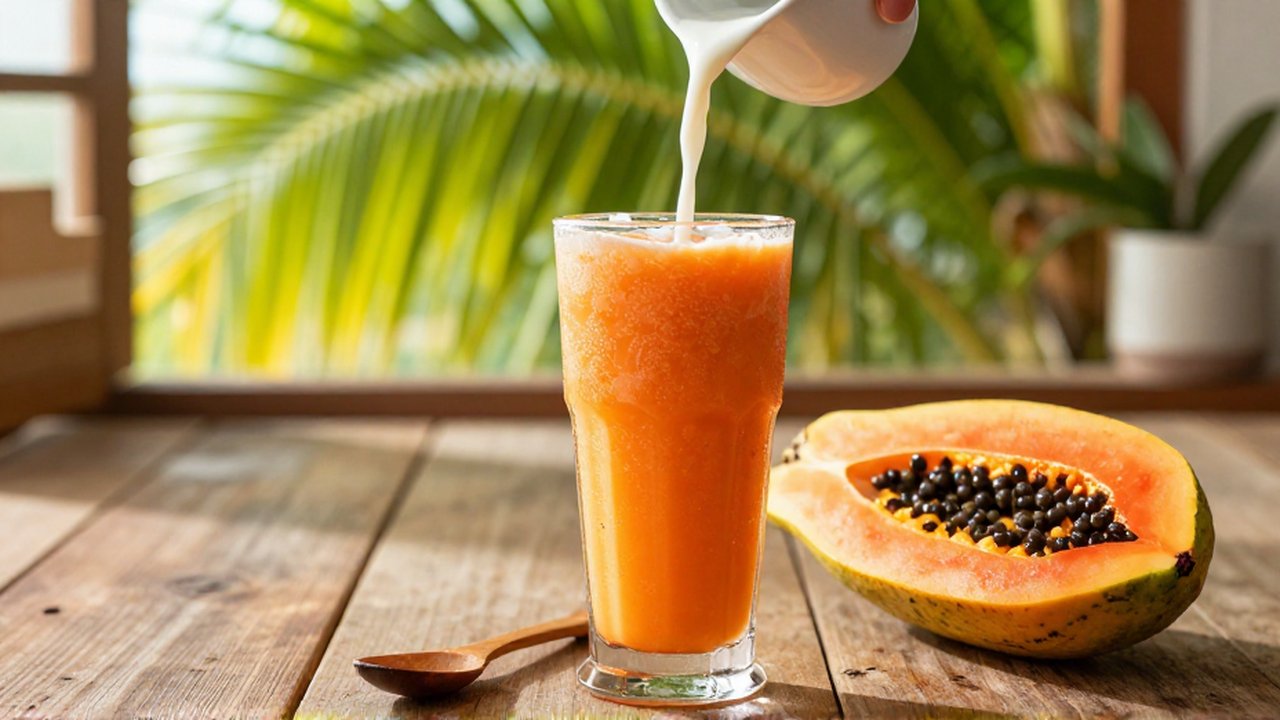
To achieve the true taste of the Dominican Republic, the quality of your raw ingredients is paramount. The centerpiece is the papaya, which must be perfectly ripe to ensure the smoothie is naturally sweet without needing excessive added sugar.
- Ripe Papaya: Look for fruit that yields slightly to gentle pressure and has a fragrant, tropical aroma. The flesh should be deep orange or salmon in color.
- Liquid Base: Traditionally, whole milk is used to create a rich, creamy texture. However, coconut milk can be substituted for a more tropical, dairy-free profile.
- Sweetener: While very ripe papaya is sweet, many Dominican households add a touch of cane sugar or honey to enhance the flavor.
- Ice: To achieve the correct "frappé" consistency, high-quality ice cubes are necessary to chill the drink without diluting the fruit flavor too quickly.
- Optional Aromatics: A tiny pinch of vanilla extract or a hint of cinnamon can elevate the sensory experience, though the fruit usually stands alone.
Step by step preparation process
Creating the perfect smoothie is a matter of managing textures. Follow these steps to ensure your beverage moves from chunky to velvety smooth.
- Prepare the fruit: Peel the papaya and carefully remove all the black seeds. It is important to scrape the center thoroughly, as any leftover seeds can introduce a bitter taste to the drink. Cut the flesh into uniform cubes to help the blender process them evenly.
- Combine ingredients: Place the papaya cubes into a high-speed blender. Add your liquid base (milk or coconut milk) slowly. A good rule of thumb is to use a ratio of approximately two parts fruit to one part liquid, adjusting based on your preferred thickness.
- Sweeten and chill: Add your sweetener of choice and a handful of ice cubes. Adding the ice at this stage ensures the drink is frosty from the very first sip.
- Blend thoroughly: Start the blender on a low speed to break down the large fruit chunks, then gradually increase to the highest setting. Blend for at least 45 to 60 seconds. In Dominican preparation, the goal is a complete emulsion where no visible fruit fibers remain.
- Serve immediately: Pour the smoothie into a tall glass. Because papaya can separate if left to sit, it is best enjoyed immediately while the texture is still aerated and creamy.
Tips for achieving the perfect consistency
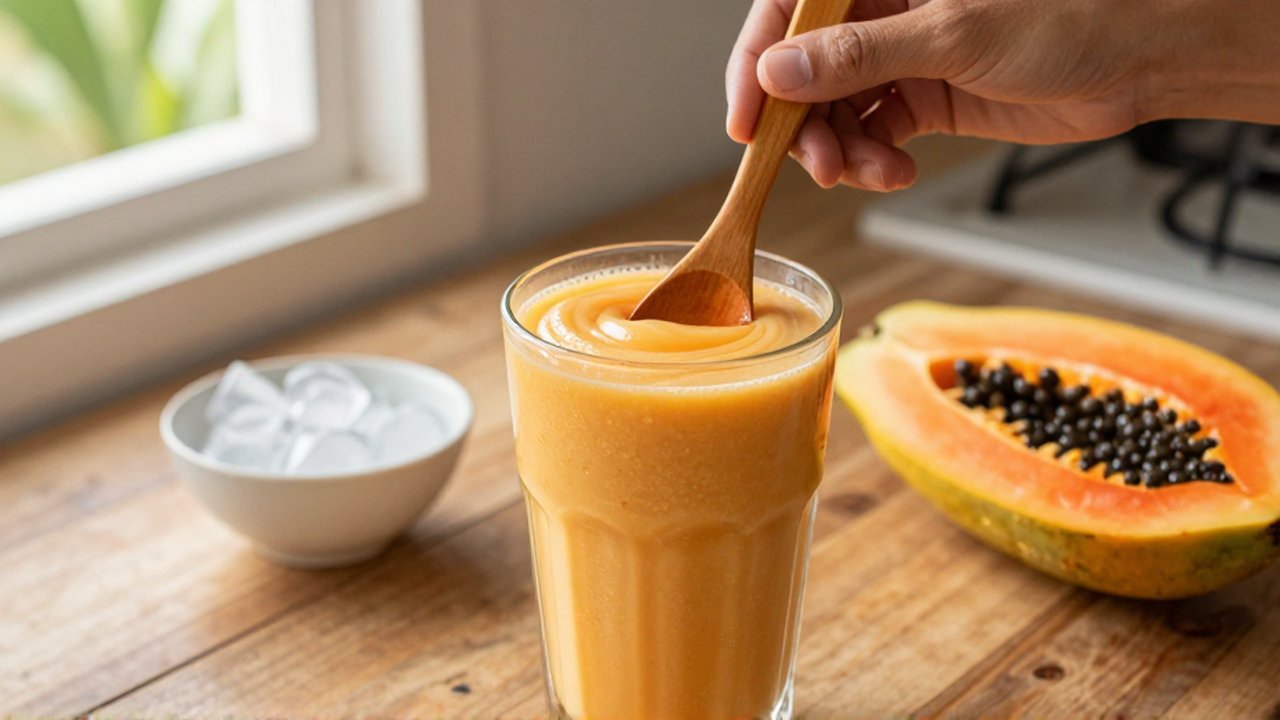
The difference between a mediocre smoothie and an exceptional one lies in the nuances of temperature and ratio. If your smoothie is too thick, do not simply add more milk; instead, add a small amount of water or more ice to maintain the structural integrity of the drink. If the smoothie feels too thin or "watery," you may have used fruit that was too ripe or added too much liquid at once.
Using frozen papaya chunks instead of fresh ones is a professional secret for achieving a thick, milkshake-like consistency without using excessive ice, which can sometimes water down the flavor. Additionally, always ensure your papaya is at room temperature before blending if you are using a lot of ice, as this prevents the blender motor from straining and ensures a more even freeze.
Common mistakes to avoid
One of the most frequent errors is leaving small bits of the papaya's central core or seeds in the mix. Even a few stray seeds can ruin the smooth mouthfeel and introduce an unpleasant, peppery bitterness. Another common mistake is over-sweetening. The natural sugars in a tropical papaya are quite potent; always taste a small amount of the fruit before adding sugar to ensure you do not overpower the natural tropical notes.
Furthermore, avoid using skim or very low-fat milks if you are seeking the traditional Dominican experience. The fat content in whole milk or coconut milk acts as an emulsifier, helping the fruit solids and liquids bind together into a cohesive, creamy liquid rather than a separated mixture.
Frequently asked questions
Can I use frozen papaya for this recipe? Yes, using frozen papaya chunks is highly recommended. It results in a thicker, more refreshing texture and reduces the need for ice, which keeps the flavor concentrated.
How do I know if my papaya is ripe enough for a smoothie? A ripe papaya should have a slight softness when pressed and should emit a sweet, fruity scent near the stem. The skin will often show hints of yellow or orange.
Is there a dairy-free version of this drink? Absolutely. To keep the authentic tropical feel, use coconut milk. For a lighter version, almond milk or oat milk works well, though the creaminess will differ slightly from the traditional method.
Why is my smoothie separating? Separation usually occurs because the smoothie has sat for too long or because the ratio of solids to liquids is unbalanced. Stirring it or giving it a quick pulse in the blender will usually fix this.
Leave a Reply