How to balance Dominican rice and beans for nutrition
Introduction
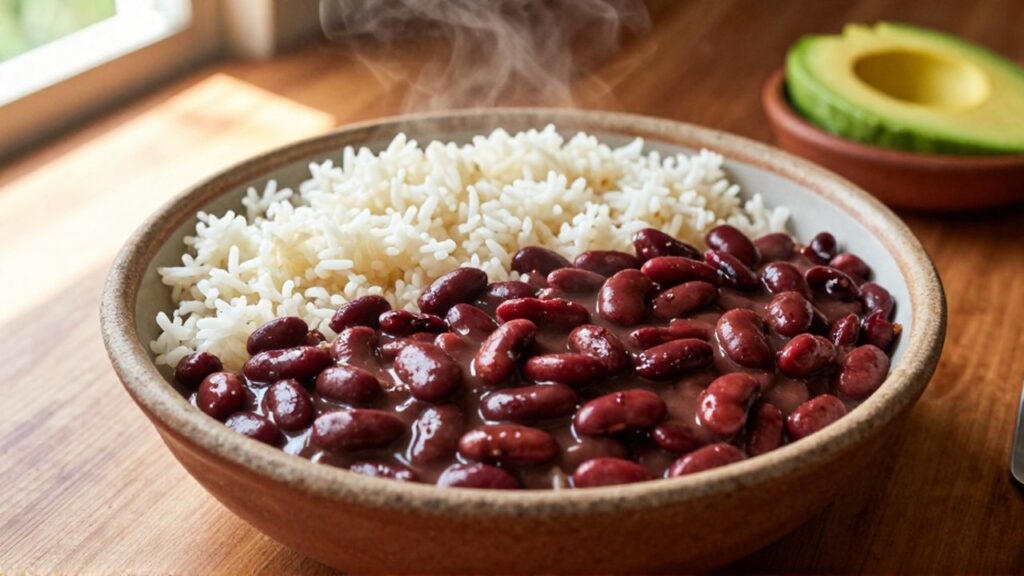
Dominican rice and beans, commonly known as la bandera dominicana when served with meat and salad, is a cornerstone of Caribbean gastronomy. Beyond its comforting flavor, this combination serves as a fundamental dietary staple in many households. Understanding how to balance these two ingredients is essential for anyone looking to enjoy traditional flavors while maintaining a nutritionally sound diet.
Achieving a proper nutritional balance involves more than just mixing grains and legumes; it requires an awareness of macronutrient ratios, fiber intake, and micronutrient density. By adjusting portions and incorporating mindful cooking techniques, you can transform a heavy carbohydrate meal into a complete, sustaining source of energy. This guide explores how to optimize this iconic duo for better health and dietary efficiency.
Nutritional synergy between rice and beans
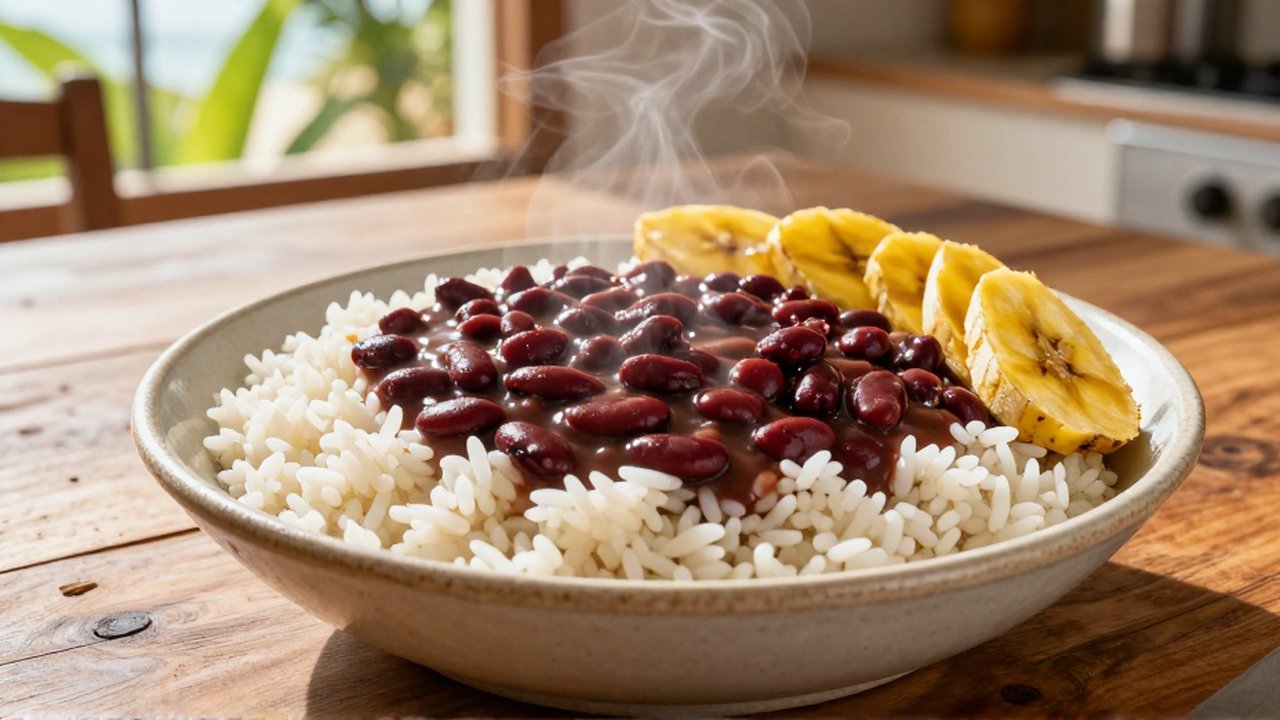
The primary reason rice and beans are a dietary powerhouse lies in their amino acid profiles. While rice is a cereal grain that is high in certain amino acids, it is often deficient in lysine. Beans, on the other hand, are rich in lysine but typically low in methionine. When consumed together, they form a complete protein, providing all nine essential amino acids that the human body cannot produce on its own.
From a dietary perspective, this combination is highly effective for plant-based protein supplementation. However, the balance depends heavily on the ratio of the two. In many traditional Dominican preparations, the serving of rice tends to outweigh the beans, which can lead to an excessive intake of simple carbohydrates and a higher glycemic load. To maximize the nutritional benefit, one should aim for a ratio where the beans are more prominent or equally represented.
Strategies to optimize the macro profile
To turn a plate of rice and beans into a balanced meal, you must manage the proportions of carbohydrates, proteins, and fats. Traditional Dominican rice is often cooked with oil and salt, which adds flavor but also increases caloric density.
- Increase the bean ratio: Instead of a large mound of rice with a small ladle of beans, try to serve a larger volume of beans relative to the rice. This increases fiber and protein while lowering the total starch content.
- Select whole grains: Whenever possible, substitute white rice with brown or parboiled rice. Whole grains retain the bran and germ, offering more fiber and B vitamins, which helps slow down glucose absorption.
- Control added fats: Traditional recipes often use oils or even fats from meats to flavor the rice. Minimizing the amount of added oil during the cooking process can help regulate calorie intake without sacrificing the essential flavor profile.
Essential micronutrients and fiber benefits
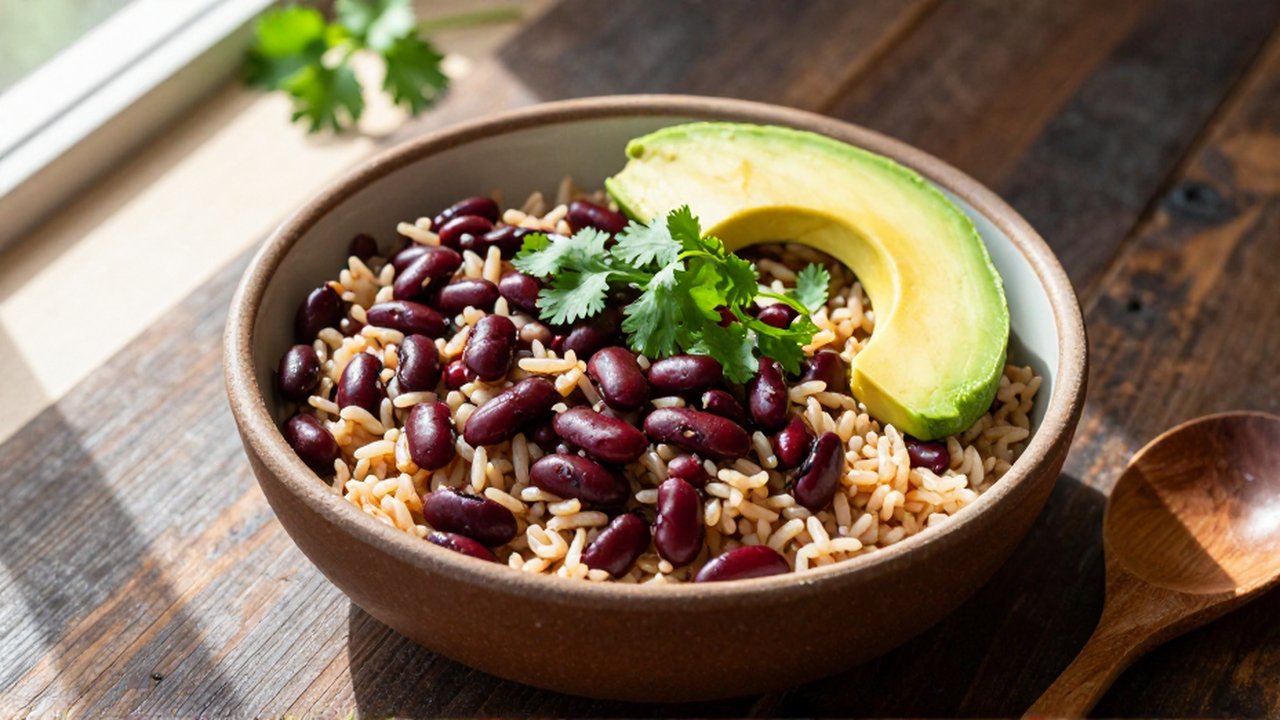
A well-balanced serving of rice and beans provides more than just energy; it is a significant source of dietary fiber, essential for digestive health and satiety. Fiber helps regulate blood sugar levels and prevents the "crash" often associated with high-carb meals.
| Nutrient | Primary Source | Benefit |
|---|---|---|
| Protein | Beans | Muscle repair and satiety |
| Complex Carbohydrates | Rice and Beans | Sustained energy release |
| Fiber | Beans | Digestive health and glucose control |
| Iron and Magnesium | Beans | Blood health and metabolic function |
To enhance the absorption of certain nutrients, such as the non-heme iron found in beans, it is beneficial to include a source of Vitamin C in the same meal. Adding a side of fresh Dominican vegetables or a citrus-based dressing can significantly improve the bioavailability of these minerals.
Common mistakes in traditional preparation
One of the most frequent dietary mistakes in Dominican cuisine is the overconsumption of highly refined grains paired with excessive sodium. Traditional habichuelas guisadas (stewed beans) can sometimes become heavy due to the inclusion of processed meats like chorizo or ham for flavoring. While these add depth, they also introduce high levels of saturated fats and sodium.
Another mistake is the lack of dietary variety on the plate. If the meal consists only of white rice, stewed beans, and a piece of fried meat, it lacks the necessary micronutrients found in fresh produce. To balance the meal, consider the "plate method": fill half of your plate with non-starchy vegetables, one-quarter with your rice and beans, and one-quarter with a lean protein.
Frequently asked questions
Can I eat rice and beans every day for nutrition? Yes, as long as the portions are controlled and you vary your vegetable intake. The combination provides a complete protein, but relying solely on rice and beans without enough micronutrients from other sources may lead to deficiencies.
Is brown rice better than white rice for this meal? From a nutritional standpoint, yes. Brown rice contains more fiber and essential minerals. However, if you prefer white rice, you can balance it by increasing the amount of beans and vegetables on the plate.
How can I reduce the sodium in my beans? Instead of using bouillon cubes or heavy amounts of salt, try flavoring your beans with fresh garlic, onions, bell peppers, cilantro, and oregano. These aromatics provide a deep flavor without the high salt content.
Does adding meat change the nutritional balance? Adding meat increases the protein and fat content. If you add meat, you may want to reduce the portion of rice to ensure the meal remains balanced and does not become excessively high in total calories.
Leave a Reply