Are fried Dominican dishes suitable for a healthy diet
Introduction
Dominican cuisine is celebrated worldwide for its vibrant flavors, aromatic seasonings, and comforting textures. Many of its most iconic staples, such as tostones (fried green plantains), longaniza, and various fritters, rely heavily on deep-frying to achieve their signature crunch. For those following a nutrition-focused lifestyle, understanding how these cooking methods impact the caloric density and fat content of traditional meals is essential for maintaining a balanced diet.
The question of whether these dishes fit into a healthy lifestyle depends entirely on frequency, portion control, and the quality of the fats used. While frying can transform simple ingredients like cassava or plantains into culinary delights, it significantly alters the nutritional profile of the food. Determining how to enjoy these flavors without compromising long-term health goals requires a nuanced understanding of fats and cooking techniques.
Nutritional impact of deep frying in Dominican cooking

Deep-frying involves submerging food in hot oil, a process that fundamentally changes the food's composition. When ingredients are fried, they absorb a significant amount of lipids, which rapidly increases the total calorie count. In Dominican cuisine, where starches like tubers and plantains are central, frying these items can turn a complex carbohydrate into a high-fat, energy-dense component.
The type of oil used during the frying process also plays a crucial role. Many traditional settings use vegetable oils that may be high in omega-6 fatty acids. While these are necessary in moderation, an excess of certain fats can influence inflammation levels. Furthermore, if the oil is reused multiple times at high temperatures, it can undergo chemical changes that produce compounds less desirable for cardiovascular health.
Challenges of consuming fried foods regularly
The primary challenge with a diet heavy in fried Dominican staples is the high concentration of concentrated fats. This can lead to several nutritional imbalances:
- Caloric Surplus: It is very easy to consume more calories than intended when food is oil-soaked, which can lead to unintended weight gain.
- Nutrient Displacement: Consuming large amounts of fried sides may leave less room in the meal for fiber-rich vegetables or lean proteins.
- Saturated Fat Intake: Depending on the ingredients (such as certain meats or specific oils), fried dishes can contribute significantly to daily saturated fat limits.
Strategies for healthier Dominican meals

Achieving a healthy diet does not necessarily mean abandoning Dominican flavors entirely. It is possible to find a middle ground by applying specific dietary strategies that preserve the essence of the cuisine while optimizing nutrition.
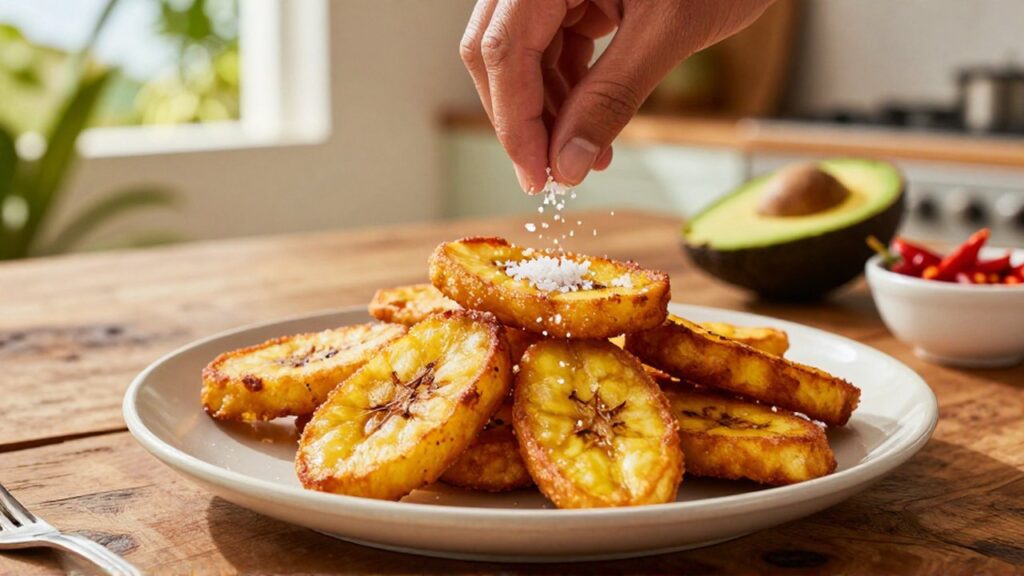
One effective method is the incorporation of balance. If a meal includes a fried element like tostones, one should aim to pair it with a large portion of fresh salad or steamed vegetables to increase fiber intake. This helps slow the absorption of fats and promotes satiety.
Another approach involves alternative cooking techniques. Modern kitchen tools allow for similar textures with much less oil. For example, many ingredients that are traditionally fried can be prepared in an air fryer or baked in an oven with a light coating of olive oil. This provides the desired crunch while significantly reducing the lipid load.
| Traditional Method | Healthier Alternative | Benefit |
|---|---|---|
| Deep-frying plantains | Air-frying or baking | Lower calorie and fat density |
| Frying meat in lard/oil | Grilling or stewing | Lower saturated fat intake |
| Heavy use of oil in rice | Steaming or boiling | Reduced total fat per serving |
Common mistakes in dietary management
A frequent mistake is viewing fried foods as "occasional treats" only to allow them to become a daily staple. Consistency is key to nutritional success. Another common error is ignoring the hidden fats in sauces or accompaniments that often accompany fried items.
Furthermore, many people mistakenly believe that "small" fried portions are harmless. Because oil is highly caloric, even a small handful of fried yucca can contribute a substantial amount of energy to the total daily intake. Mindful portioning is a required skill for anyone trying to integrate traditional fried foods into a structured wellness plan.
Frequently asked questions
Can I eat fried Dominican food if I am trying to lose weight? It is possible to lose weight while enjoying these foods, but you must account for their high caloric density. This requires strict portion control and ensuring that the rest of your daily intake is nutrient-dense and lower in calories.
Is it better to fry at home or eat out? Frying at home generally offers more control over the quality of the oil and the amount used. When eating out, oils are often reused or chosen based on cost rather than nutritional quality, making it harder to monitor fat intake.
Does air-frying make Dominican food just as tasty? While the texture may differ slightly from deep-frying, air-frying provides a similar crispness for many starchy items like plantains and sweet potatoes, making it a much more sustainable option for daily consumption.
How often should I consume fried dishes? For most people aiming for a healthy lifestyle, fried foods are best treated as occasional components of a meal rather than daily staples. Emphasizing whole, unprocessed foods for the majority of your diet is the most reliable approach.
Leave a Reply