How many calories are in Dominican La Bandera

Introduction
La Bandera Dominicana, which translates to "The Dominican Flag," is the quintessential lunch served in households across the Dominican Republic. This meal serves as the nutritional cornerstone of the island, typically consisting of three fundamental components: white rice, red beans, and stewed meat, often accompanied by a side of salad or fried plantains. It is more than just a meal; it is a cultural institution that provides the energy required for the daily activities of the population.
Understanding the caloric content of La Bandera is essential for anyone looking to integrate traditional Dominican flavors into a structured diet. Because this dish is composed of several distinct elements, the total energy value can vary significantly based on portion sizes and preparation methods. This article explores the breakdown of nutrients and calories inherent in this iconic meal to help you make informed eating decisions.
Components of La Bandera and calorie breakdown

To determine the total caloric intake of a plate of La Bandera, one must analyze the individual ingredients. Each component contributes a different balance of carbohydrates, proteins, and fats. While a standard serving is substantial, the specific way each item is cooked—such as the amount of oil used in the beans or the meat—plays a decisive role in the final number.
A typical serving of La Bandera generally includes the following estimated values:
- White Rice (1 cup, cooked): Approximately 200 to 240 calories. This provides the primary source of carbohydrates.
- Red Beans (1/2 to 3/4 cup): Approximately 120 to 180 calories. Beans offer a combination of complex carbohydrates and plant-based protein.
- Stewed Meat (Chicken or Beef, 3-4 oz): Approximately 200 to 350 calories. The calorie count fluctuates depending on whether the meat is skinless chicken or a fattier cut of beef.
- Fried Plantains (Maduros/Amarillos, small portion): Approximately 150 to 250 calories. Since these are typically fried in oil, they are the most calorie-dense side dish.
When these components are combined into a standard plate, most people consume between 670 and 1,020 calories.
Factors that influence caloric density
The nutritional profile of La Bandera is not fixed. Several culinary variables can shift the meal from a moderate calorie count to a very high one. If you are tracking your intake, paying attention to these specific culinary techniques is vital.
The most significant factor is the use of fats. In traditional Dominican cooking, oil or lard is often used to "sofrito" the beans and to sauté the rice. While this adds incredible flavor, it also adds significant calories. Similarly, if the meat is stewed with its skin intact or if much of the fat is left in the sauce, the caloric density increases.
Portion control is the second major factor. In many Dominican settings, the rice portion is often much larger than the protein portion. Increasing the rice from one cup to two cups can add an additional 200 to 240 calories instantly. Finally, the presence of side dishes like avocado or fried cheese (queso frito), which are common additions to a complete La Bandera experience, can add another 100 to 300 calories to the meal.
Healthy ways to enjoy the meal
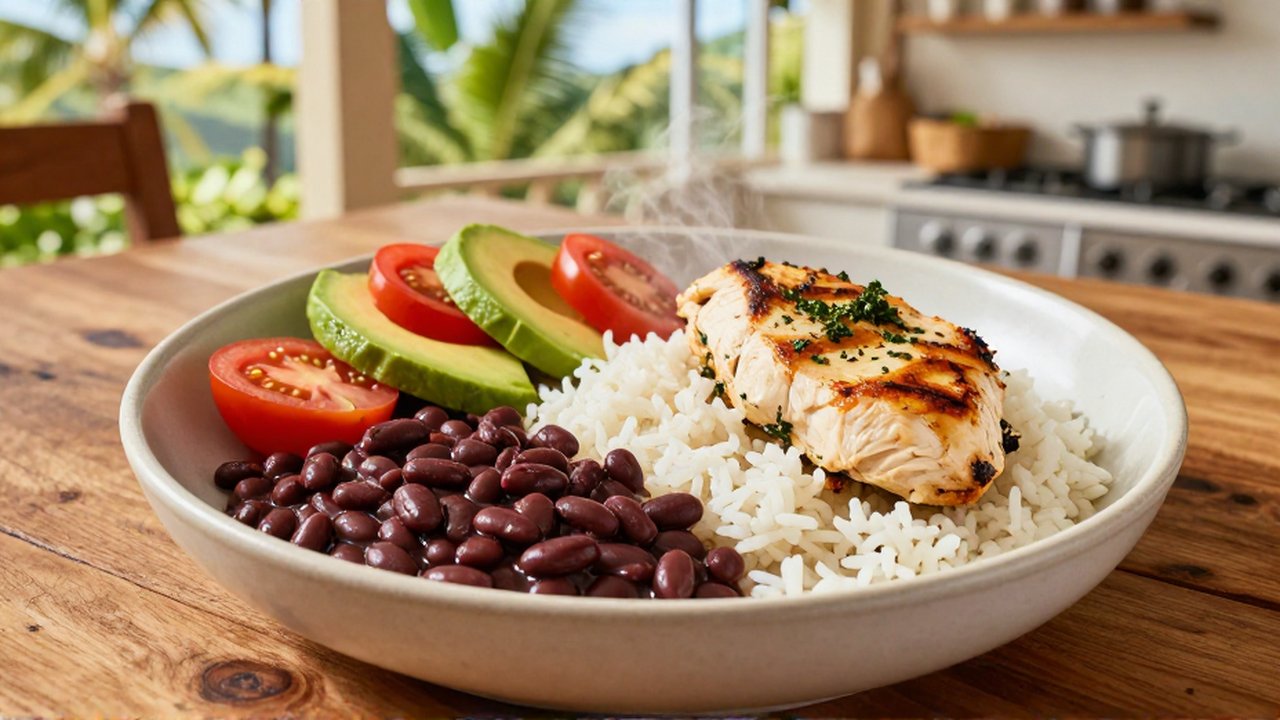
You can still enjoy the authentic flavors of La Bandera while managing your caloric intake by making strategic substitutions and adjustments. These changes focus on increasing volume through fiber and reducing calorie-dense fats without sacrificing the traditional essence of the dish.
One effective strategy is to prioritize the beans and meat over the rice. By increasing the portion of red beans, you increase your fiber and protein intake, which helps with satiety, while potentially lowering the total glycemic load of the meal. Using lean cuts of meat, such as chicken breast instead of beef stew meat, also makes a significant difference.
Another approach is to modify the preparation of the sides. Instead of frying the plantains (maduros), you can boil them or steam them. This removes the added fats from the deep-frying process. Additionally, adding a large portion of fresh green salad with a simple lime-based dressing can add volume to your plate, making the meal feel more substantial without a heavy caloric cost.
Common nutritional questions
Is La Bandera a high-protein meal? Yes, La Bandera is a good source of protein, especially when it includes meat and beans. The combination of beans and rice also provides a complete amino acid profile, which is beneficial for muscle maintenance.
Can I eat La Bandera every day if I am dieting? It is possible, provided the portions are controlled and the meal fits within your daily caloric needs. Focus on larger portions of vegetables and beans and smaller portions of rice and fried sides to maintain balance.
Why is the calorie count so different between homemade and restaurant versions? Restaurants often use higher amounts of oil, salt, and sugar (in the case of sweet plantains) to enhance flavor and speed up service. Homemade versions allow for more control over the quality and quantity of fats used.
What is the healthiest part of the meal? The red beans are often considered the most nutritious component because they provide a high amount of fiber, iron, and protein with a relatively stable energy release.
Leave a Reply