
Nutritional impact of eating fried plantains with protein

Introduction
In Dominican cuisine, the combination of fried plantains and a high-quality protein source is a cornerstone of many traditional meals. This culinary pairing is not merely a matter of flavor; it creates a specific metabolic interaction between carbohydrates, fats, and amino acids. Understanding how these components work together is essential for anyone looking to manage their energy levels and overall nutritional intake while enjoying authentic Caribbean flavors.
This article explores the nutritional dynamics that occur when plantains—typically prepared as tostones or maduros—are consumed alongside meats, fish, or legumes. By analyzing the macronutrient synergy and the impact on glycemic response, we can better understand how to balance this delicious combination for optimal health. Whether you are looking to fuel an active lifestyle or maintain a balanced diet, knowing the impact of this pairing is vital.
Nutritional composition of plantains and proteins
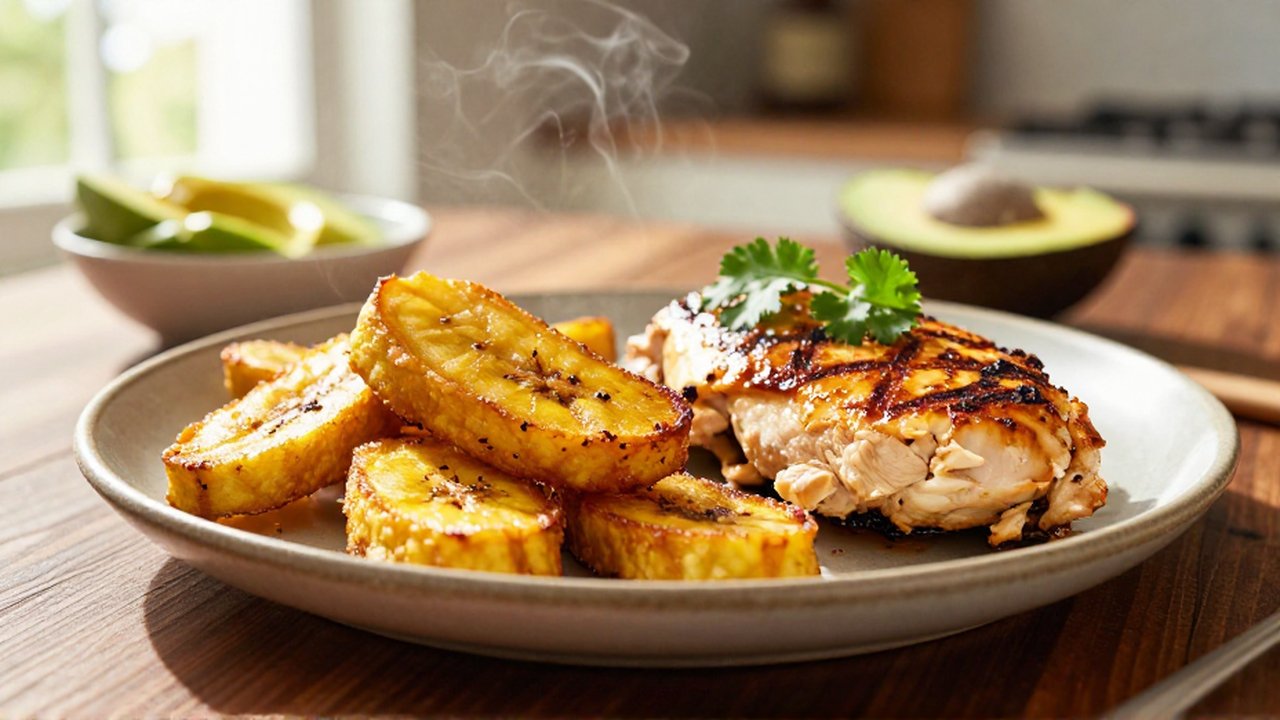
Plantains serve as a dense source of complex carbohydrates, providing the body with a steady supply of glucose for energy. Unlike many other fruits, plantains are starchy and contain significant amounts of fiber, which aids in digestion. When they are fried, the nutritional profile shifts due to the addition of lipids, which increases the caloric density of the dish significantly.
Proteins, such as grilled chicken, fried fish, or stewed beef, provide the essential amino acids necessary for muscle repair and metabolic function. When these two food groups meet on a plate, they create a complete meal structure. The protein helps to slow down the digestion of the carbohydrates found in the plantain, potentially preventing the rapid spikes in blood sugar that can occur when consuming starches in isolation.
Impact of frying on caloric and fat content
The method of preparation is the most significant variable in the nutritional impact of this meal. When plantains are fried, they absorb a portion of the cooking oil, which increases the total fat content and energy density. This transformation changes the meal from a simple starch-and-protein combination into a high-calorie energetic much.
The type of oil used also plays a role in the quality of the fats consumed. While frying adds calories, the presence of fats also contributes to satiety, making the consumer feel full for a longer period. However, frequent consumption of deep-fried foods can increase the intake of saturated or trans fats, depending on the oil choice, which may impact cardiovascular health over the long term.
Glycemic response and satiety benefits

One of the primary advantages of pairing fried plantains with protein is the modulation of the glycemic index. Carbohydrates from plantains are broken down into sugar; however, when eaten alongside a protein source, the rate of gastric emptying slows down. This means the sugar enters the bloodstream more gradually.
| Component | Primary Role | Impact on Digestion |
|---|---|---|
| Plantains | Energy source | Provides starch and fiber |
| Proteins | Tissue repair | Slows carbohydrate absorption |
| Fats (from frying) | Caloric density | Increases long-term satiety |
This combination is particularly useful for individuals with active lifestyles who require sustained energy. The protein and the fats from the frying process help prevent the "crash" often associated with high-carb meals, leading to more stable energy levels throughout the afternoon or evening.
Dietary considerations and balanced eating
To maximize the health benefits of this classic pairing, moderation and balance are key. Integrating additional micronutrients via vegetables can help offset the high caloric density of the fried starch and protein. A well-balanced plate should ideally include a significant portion of fiber-rich greens to complement the heavy nature of the plantains and meat.
Common mistakes include over-portioning the fried elements or choosing heavily processed proteins. To optimize this meal, consider the following recommendations:
- Portion control: Limit the amount of fried plantains to a side portion rather than the main component of the meal.
- Protein quality: Opt for grilled or stewed proteins rather than deep-fried options to avoid excessive fat accumulation.
- Fiber integration: Always include a salad or cooked vegetables to improve the overall nutritional profile and aid digestion.
Frequently asked questions
Does eating fried plantains with protein help with weight management? While the protein can increase satiety and help you feel full, the high caloric density of fried plantains means that portion control is necessary if weight management is a primary goal.
Is it better to eat maduros or tostones with protein? Maduros (sweet plantains) generally have a higher sugar content due to the ripening process, whereas tostones (savory plantains) are starchier. Both provide different carbohydrate profiles, but both should be consumed in moderation when fried.
Can this combination be part of a high-protein diet? Yes, as long as the protein source is substantial and the plantains are treated as a carbohydrate side dish rather than the main focus of the meal.
How can I make this meal healthier? You can improve the nutritional value by using heart-healthy oils for frying, choosing lean protein sources, and ensuring the meal is accompanied by a large serving of vegetables.
Leave a Reply