
Guide to low calorie Dominican food alternatives
Introduction
Dominican cuisine is celebrated for its bold flavors, hearty portions, and comforting textures. However, many traditional dishes rely heavily on frying, large quantities of oil, and dense carbohydrates like rice and fried plantains. For individuals managing their weight or following specific nutritional guidelines, enjoying these cultural staples can feel challenging. This guide is designed to help you navigate the rich Dominican culinary landscape by identifying smarter, lower-calorie alternatives that preserve the soul of the flavors while reducing caloric density.
Understanding how to modify these recipes is essential for maintaining a healthy lifestyle without sacrificing cultural identity. By focusing on cooking methods, ingredient substitutions, and portion control, you can transform a heavy meal into a balanced one. Whether you are preparing a meal at home or dining out, these strategies allow for a more mindful approach to eating, making weight management more sustainable and enjoyable in the long term.
Smart substitutions for traditional starches
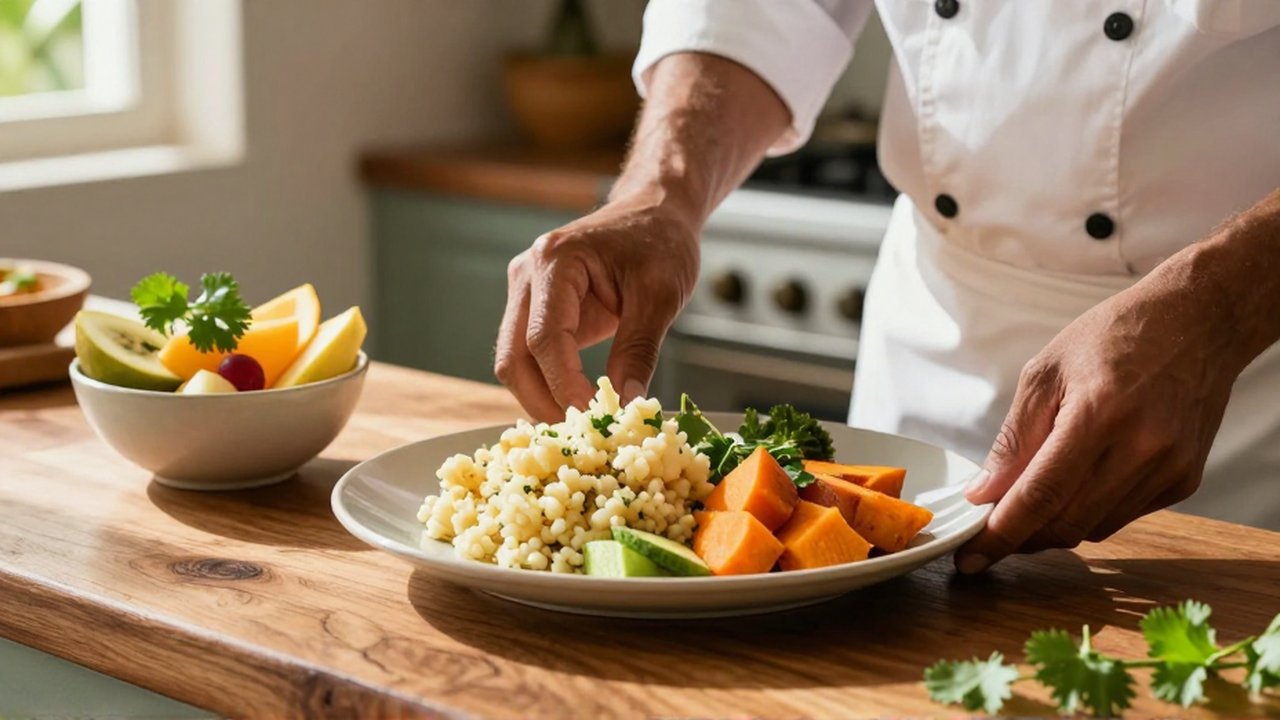
The foundation of many Dominican meals consists of starchy staples such as rice, yuca, and plantains. While these provide energy, they are also highly calorie-dense. To reduce the caloric load of your plate, consider changing how you prepare or which starches you select.
Instead of traditional white rice, which is often cooked with oil and salt, you might opt for cauliflower rice or mix a small amount of brown rice with finely chopped vegetables. This maintains the volume of the meal while significantly lowering the calorie count. When it comes to plantains, the most impactful change is moving away from tostones (fried green plantains) or maduros (sweet fried plantains). Instead, try boiled plantains (plátanos hervidos). Boiling preserves the natural flavor and texture without the added fats from deep frying.
If you consume root vegetables like yuca or sweet potato, keep the portions moderate. These are nutrient-dense but high in carbohydrates. Pairing them with a large helping of steamed vegetables can help you feel full without consuming excess calories.
Healthier ways to prepare proteins and legumes
Protein is a vital component of the Dominican diet, often found in chicken, beef, and beans. The key to making these lighter lies in the preparation technique. Traditional recipes frequently involve sautéing meat in heavy oils or using fatty cuts of beef.
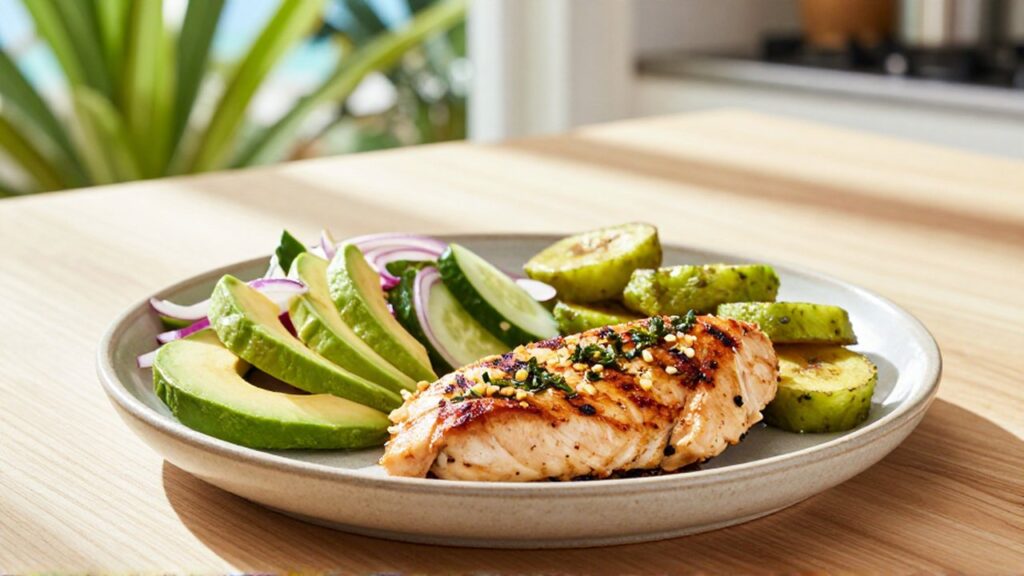
To lighten your protein intake, choose lean cuts of meat and trim visible fat before cooking. Instead of frying chicken, try poaching, grilling, or baking it with local seasonings like oregano, garlic, and lime. Using an oven or an air fryer can mimic the texture of fried foods with a fraction of the oil.
Dominican beans (habichuelas) are a nutritional powerhouse, offering fiber and protein. However, they are often prepared with heavy meats like bacon or chorizo to add flavor. To create a low-calorie version, use vegetable broth to create the base and season with plenty of fresh aromatics like onions, peppers, and cilantro. This provides the deep, savory flavor characteristic of habichuelas guisadas without the saturated fats of processed meats.
Low calorie adjustments for sauces and dressings
Sauces in Dominican cooking provide the essential moisture and "punch" that define a dish. Many traditional sauces are oil-based or contain high amounts of sugar and salt.
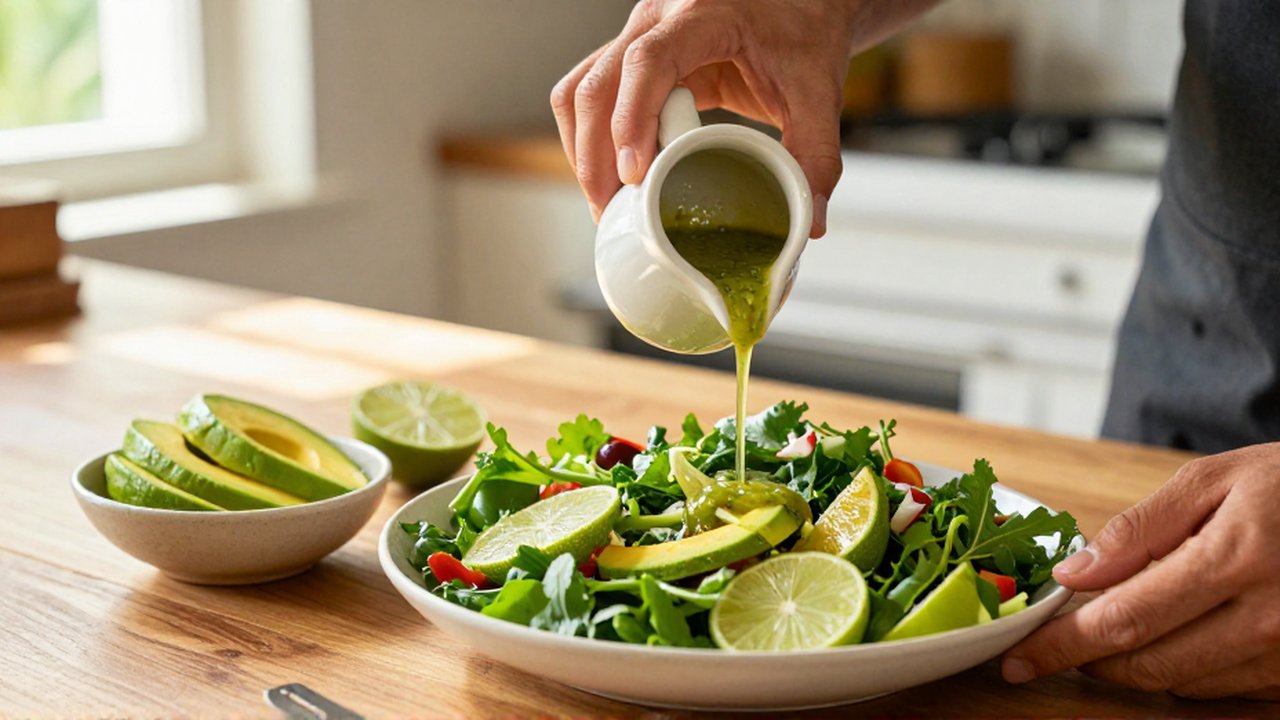
For salads or vegetable sides, move away from heavy dressings. Use a simple mixture of lime juice, a small amount of extra virgin olive oil, and fresh herbs. This provides a tropical, bright flavor that complements Dominican ingredients perfectly. If a recipe calls for a thick sauce, try reducing the amount of oil used for the sofrito (the aromatic base) and instead use a splash of water or unsalted broth to prevent sticking.
Be mindful of liquid seasonings and bouillon cubes, which can be very high in sodium. High sodium intake can lead to water retention, making it harder to track weight changes effectively. Relying more on fresh garlic, onions, and dried oregano will allow you to achieve high flavor profiles with much lower caloric and sodium impacts.
Strategies for portion management and balance
Eating well is not just about what is on the plate, but how much of it is present. A common pattern in Dominican dining is the "heavy plate," where the starch dominates the protein and vegetables.
A more balanced approach follows the principle of plate composition. Aim to fill half of your plate with non-starchy vegetables, such as steamed cabbage, green beans, or a fresh salad. Dedicate one-quarter of the plate to your protein source and the final quarter to your starch. This method ensures you satisfy your cravings for rice or plantains while preventing the calorie surplus that often comes from overconsuming carbohydrates.
Additionally, try to eat slowly and practice mindful eating. Because Dominican meals are often communal and social, it is easy to eat faster than your body's satiety signals can register. By slowing down, you can enjoy the complex flavors of the spices and better recognize when you are genuinely full.
Frequently asked questions
Can I still eat plantains if I am watching my calories? Yes, but you should avoid frying them. Boiled or steamed plantains are much lower in calories than tostones or maduros because they do not absorb cooking oil.
How can I make my sofrito more diet-friendly? Focus on using more aromatic vegetables like bell peppers, onions, and garlic, and use significantly less oil when sautéing them. Using a non-stick pan can further reduce the need for fats.
Is traditional Dominican bean stew healthy? The beans themselves are very healthy and high in fiber. To make the stew lower in calories, avoid adding fatty meats like pork or sausage and instead use spices and herbs for flavor.
What are the best vegetables to pair with Dominican meat dishes? Green vegetables such as steamed broccoli, sautéed cabbage, or a fresh cucumber salad provide volume and nutrients with very few calories, helping to balance the meal.
Leave a Reply