
Etiquette for drinking tropical beverages in Dominican Republic
Introduction
Navigating the social landscape of the Dominican Republic requires an understanding of how beverages play a central role in local hospitality. Whether you are sipping a fresh fruit juice at a roadside stand or sharing a premium rum in a high-end lounge, knowing the unspoken rules of consumption helps you integrate more smoothly into the local culture. Understanding these customs is not just about politeness; it is about showing respect for the traditions that define Dominican social life.
In the Dominican Republic, drinking is often a communal and celebratory act. From the midday heat that calls for refreshing coconut water to the evening gatherings centered around traditional spirits, the way you interact with your drink can signal your awareness of local customs. Adhering to these etiquette standards ensures that your dining and social experiences are respectful, enjoyable, and culturally informed.
Cultural significance of shared drinks
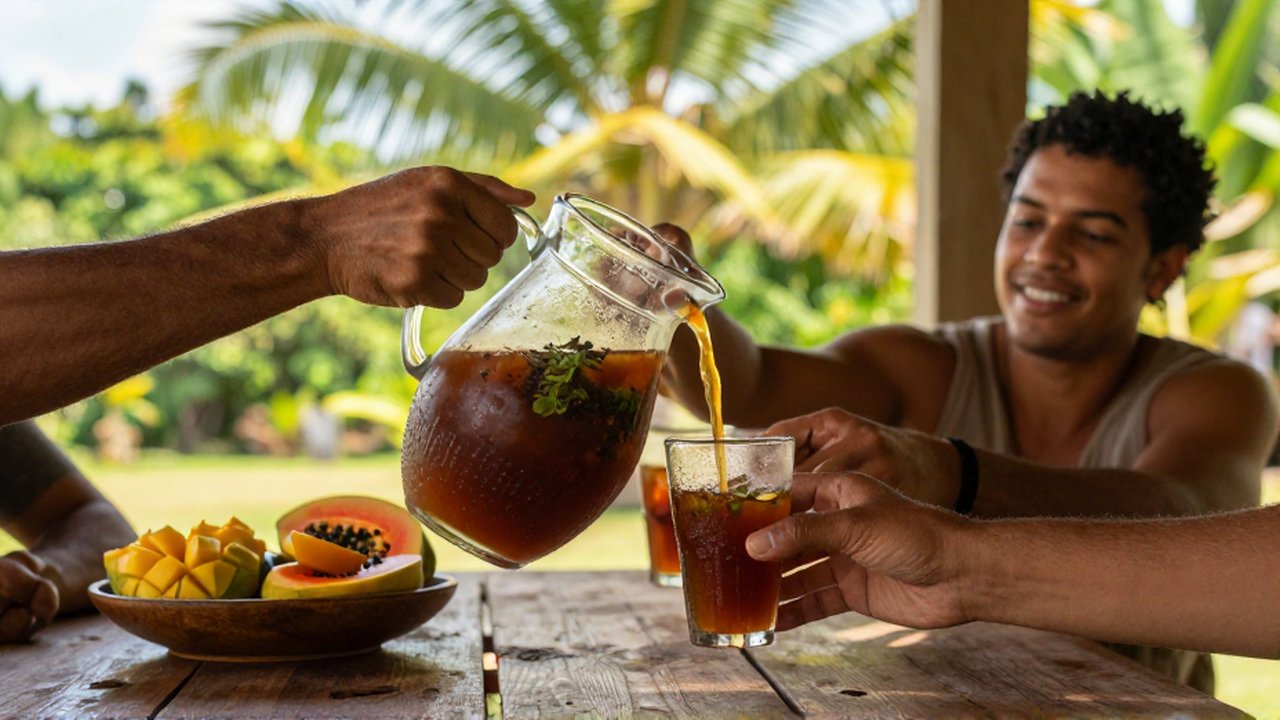
In Dominican culture, offering a beverage is a fundamental gesture of welcome. When you are invited into a home or a social circle, refusing a drink can sometimes be perceived as a slight, although a polite decline is always acceptable if for health reasons. Typically, if a host offers a local fruit juice or a traditional beverage, it is customary to accept at least a small amount to acknowledge their hospitality.
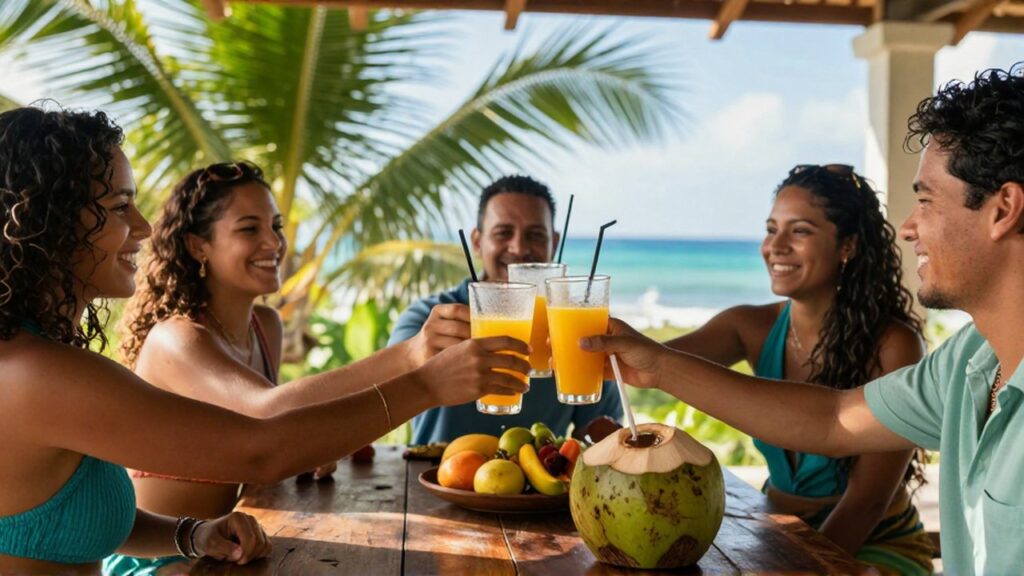
Socializing in the Dominican Republic often revolves around "el compartir," the act of sharing. This means that drinks are rarely consumed in isolation. Whether it is a group of friends enjoying fresh juices or a family sharing a bottle of aged rum, the focus is on the collective experience. Maintaining an open, convivial attitude while drinking is highly valued, as it fosters the sense of community that is central to the island's identity.
Etiquette for non alcoholic tropical juices
The Dominican Republic offers an abundance of tropical fruits, and juices are a staple of the daily diet. When consuming these in various settings, keep the following points in mind:
- Street food and juice stands: When buying fresh juices from local vendors, it is common to drink them directly from the glass or a plastic cup. It is polite to pay promptly and, if eating alongside your drink, to remain mindful of your surroundings in busy open-air markets.
- Coconut water etiquette: Drinking from a whole coconut is a quintessential tropical experience. It is common to use a straw or to sip directly from the opening. If someone offers you a coconut, it is seen as a generous gesture.
- Sugar levels: Many local juices are served quite sweet. If you prefer less sugar, it is best to specify this at the moment of ordering, as traditional preparations often follow a standardized recipe.
Social drinking and alcoholic beverages
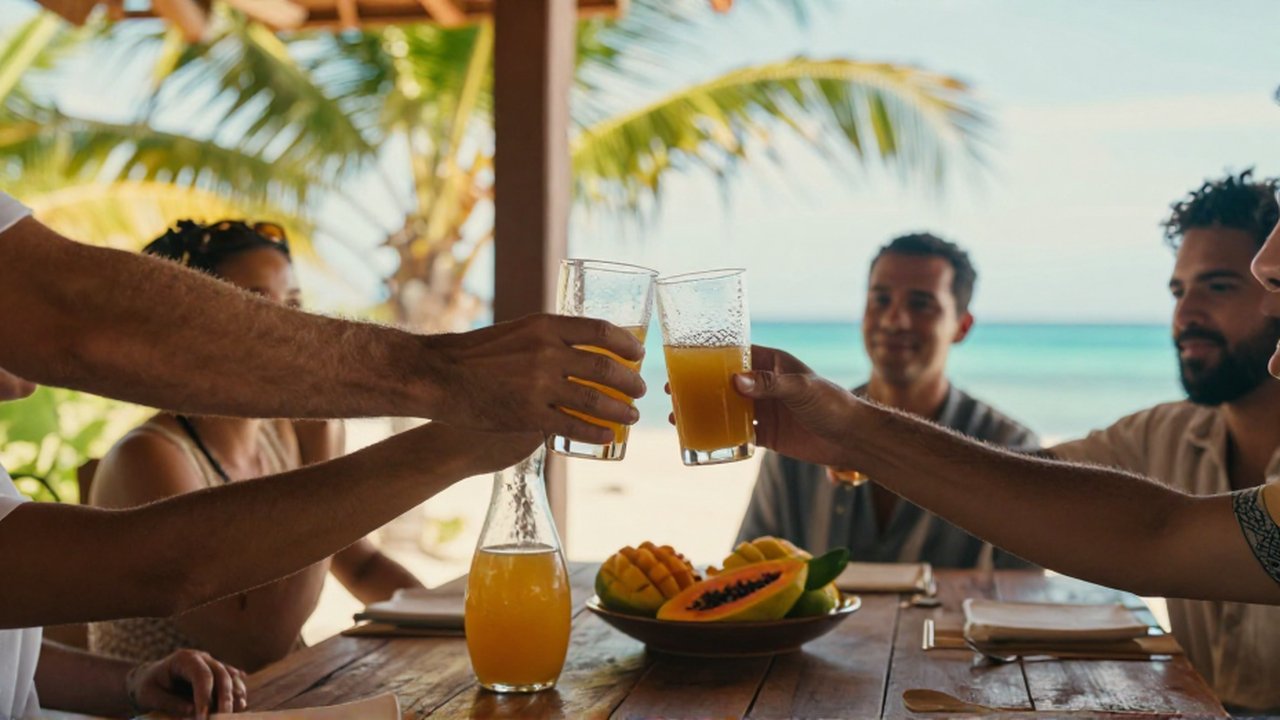
Alcoholic beverages, particularly rum, play a significant role in Dominican celebrations. However, there are specific social nuances to observe:
- Toasting customs: When raising a glass, particularly during a party or a formal dinner, it is polite to make eye contact with those you are toasting. While the formal "Cheers" may vary, the gesture of recognition is universal.
- Pacing yourself: Dominican social gatherings can be long and energetic. It is important to observe the pace of your hosts. Matching the rhythm of the group helps you avoid overconsumption, which is considered impolite in a social setting.
- Respecting the quality of spirit: When drinking premium Dominican rum, it is often appreciated when the drinker savors the flavor rather than mixing it heavily with many other ingredients. Showing appreciation for the complexity of the spirit is a nod to the local craft.
Common mistakes to avoid
To ensure a seamless experience, avoid these common pitfalls regarding beverage consumption:
| Mistake | Why it matters | Better approach |
|---|---|---|
| Refusing a host's drink abruptly | Can be seen as a rejection of hospitality. | Thank the host and offer a polite reason for declining. |
| Drinking too quickly in groups | Can disrupt the flow of conversation and social harmony. | Sip slowly and focus on the interaction. |
| Ignoring local beverage traditions | Can make you seem disconnected from the culture. | Learn the names of local drinks and try them with interest. |
Frequently asked questions
Is it okay to drink alcohol in public places? In designated tourist areas, bars, and restaurants, drinking is perfectly normal. However, it is best to avoid visible excessive drinking in residential areas or very formal public spaces to remain respectful of local norms.
Should I tip for drinks served at a restaurant? In most restaurants, a service charge is included in the bill. However, if you receive exceptional service at a bar or a local establishment, leaving a small additional tip is a common way to show appreciation.
Can I ask for ice in my tropical juices? Yes, but be aware that in some traditional or rural settings, juices may be served at room temperature or lightly chilled. In hotels and urban restaurants, it is standard to ask for ice if you prefer it.
How do I politely decline a strong alcoholic drink? The best way is to be direct but kind. You can mention that you are not feeling well, that you have to drive, or simply that you prefer a non-alcoholic option like a fruit juice or water.
Leave a Reply