
Should you tip at restaurants in the Dominican Republic
Introduction
Understanding tipping etiquette is essential for anyone traveling to the Dominican Republic to ensure a smooth dining experience and to respect the local service culture. Knowing whether a gratuity is expected, how much to leave, and how it is processed helps travelers avoid awkward social situations and ensures that service staff are appropriately compensated for their work.
Tipping in the Dominican Republic is a common practice that functions as a significant part of the income for many workers in the hospitality industry. While it is not a legal requirement in the same way some formal taxes might be, it is a deeply ingrained social norm. Recognizing the nuances between high-end resorts, local eateries, and casual beachside spots will allow you to navigate the culinary landscape with confidence and cultural sensitivity.
Tipping standards for different dining settings
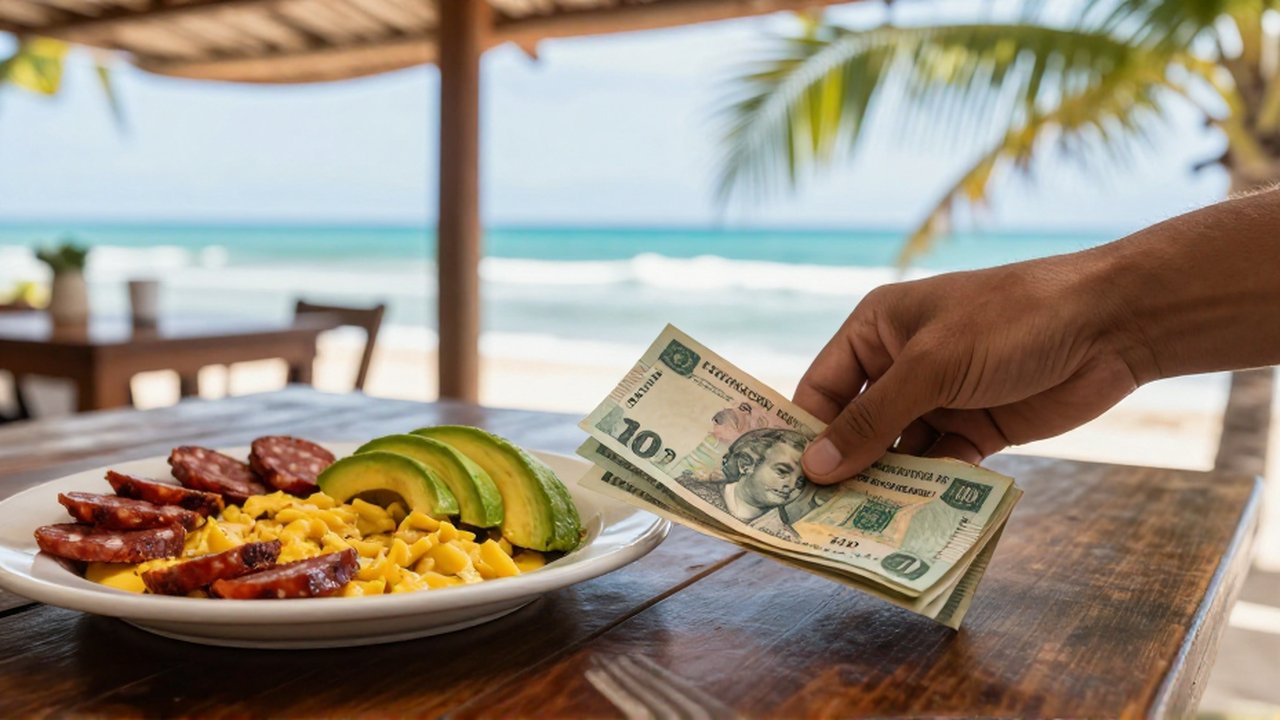
The amount you should tip often depends on the type of establishment you are visiting. In the Dominican Republic, dining experiences can range from luxury all-inclusive resorts to small, family-run "comedores" in local neighborhoods.
In upscale restaurants and formal dining establishments, a tip of 10% to 15% of the total bill is standard. At these venues, the service is usually more structured, and the staff may include dedicated servers, sommeliers, and hosts. If you receive exceptional service, rounding up or slightly increasing the percentage is a common way to show appreciation.
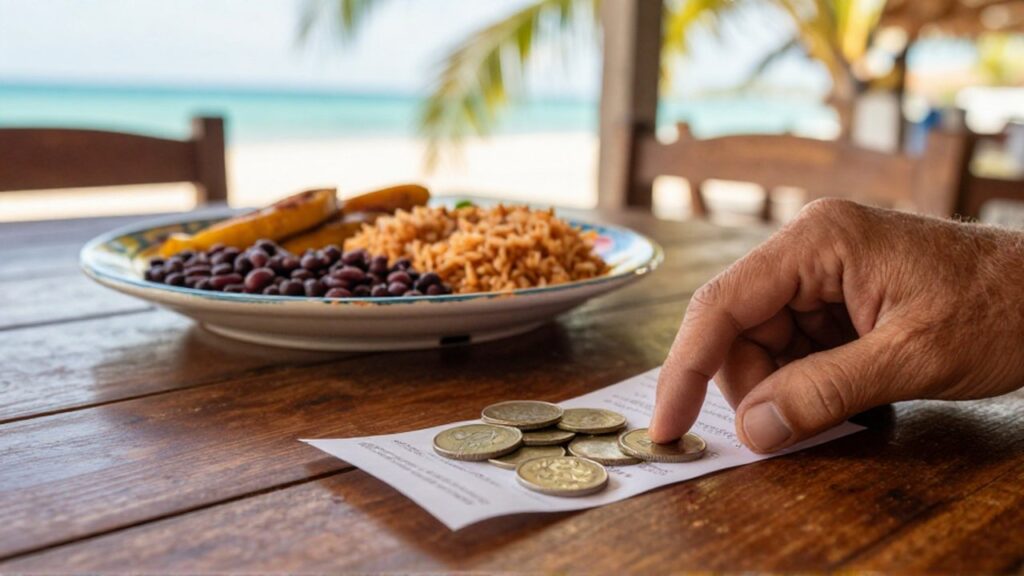
When dining at casual restaurants or local spots, the etiquette shifts. In many smaller establishments, a fixed tip or a small amount of change is more common than a calculated percentage. For example, if your meal is modest, leaving a small amount in cash is often more appreciated than a complex calculation. In some cases, the "service charge" might be included in the bill, but it is always wise to check the receipt first.
Understanding the service charge on the bill
One of the most important things for a traveler to look for is the term "servicio" or "propina" printed on the final receipt. In many larger restaurants and tourist-heavy areas, a service charge is automatically added to the total. This is often a fixed percentage, typically around 10%.
If you see a service charge already listed, you are not strictly required to add more. However, if the service was particularly outstanding, it is considered polite to leave a little extra in cash. This is particularly useful because, in some establishments, the automatic service charge may be distributed among the kitchen and bar staff, while a separate cash tip goes directly to your specific waiter.
| Dining Type | Recommended Tip Percentage/Amount | Key Consideration |
|---|---|---|
| Fine Dining | 10% - 15% | Check if "servicio" is already included. |
| Casual Restaurants | Small amount or round up | Cash is often preferred here. |
| Local Comedores | Small cash tip | Focus on simplicity and directness. |
| All-Inclusive Resorts | Small amounts in cash | Use cash for individual service. |
Best practices for tipping in cash versus card
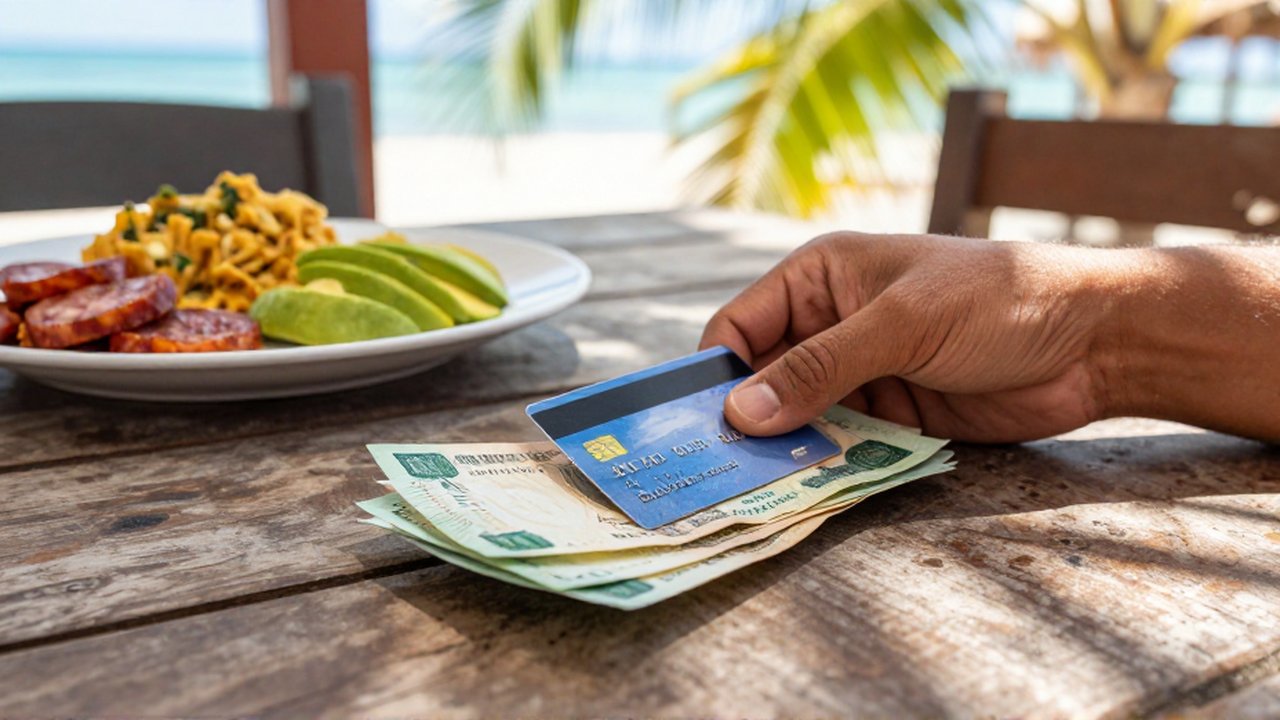
While modern credit card machines in the Dominican Republic often allow you to add a tip digitally, there are specific advantages to using cash.
Using cash for tips is often the most effective way to ensure that the money reaches the person who served you directly. In many hospitality settings, credit card tips may go through a complex payroll process, which can sometimes delay the worker receiving their gratuity. Carrying small denominations of Dominican Pesos (DOP) can be very helpful for tipping bartenders, valets, or servers in less formal settings.
If you choose to tip via credit card, ensure that the tip is clearly communicated to the server. If you are unsure if the service charge on the bill is a tax or a tip, it is always better to ask the server or the manager: "Is the service included?" This simple question avoids the mistake of overpaying or underpaying.
Common mistakes to avoid
A frequent error made by visitors is assuming that a service charge on the bill covers all staff. While it helps, a small additional cash tip can bridge the gap between a standard service and an exceptional one. Another mistake is tipping excessively in local, non-tourist areas; while generosity is never a bad thing, it is important to remain mindful of the local context and not inadvertently cause social friction.
Lastly, avoid leaving a tip in a foreign currency unless it is a major one like the US Dollar, and even then, providing pesos is generally more convenient for the staff to use immediately.
Frequently asked questions
Is tipping mandatory in the Dominican Republic? It is not a legal requirement, but it is a strong social expectation. Most service workers rely on tips to supplement their base wages.
What if the bill says "Service Included"? This means a gratuity has already been added to your total. You are not obligated to tip more, though you may leave a little extra cash if the service was excellent.
Should I tip in US Dollars or Dominican Pesos? While many people accept US Dollars, tipping in Dominican Pesos is often more practical for the staff and is always appreciated.
How much should I tip a bartender at a beach club? For a casual setting like a beach club, tipping a small amount per drink or a small amount at the end of your stay is appropriate.
Leave a Reply