
Essential vitamins in common Dominican tropical fruit juices

Introduction
Dominican tropical fruit juices are more than just refreshing beverages used to combat the Caribbean heat; they are concentrated sources of vital micronutrients. In the Dominican Republic, fruits like passion fruit, guava, and papaya are staples of the daily diet, providing a natural way to ingest essential vitamins. Understanding the nutritional profile of these juices helps individuals optimize their dietary intake and make informed decisions about their daily hydration and nutrition.
Integrating these juices into a balanced diet can support various physiological functions, from immune system maintenance to skin health. Because tropical fruits are often consumed fresh in local households, they represent an accessible way to obtain vitamins that might otherwise be lacking in processed diets. This article explores the specific vitamin profiles of the most common juices found in Dominican culture and how they contribute to overall wellness.
Nutritional benefits of passion fruit juice
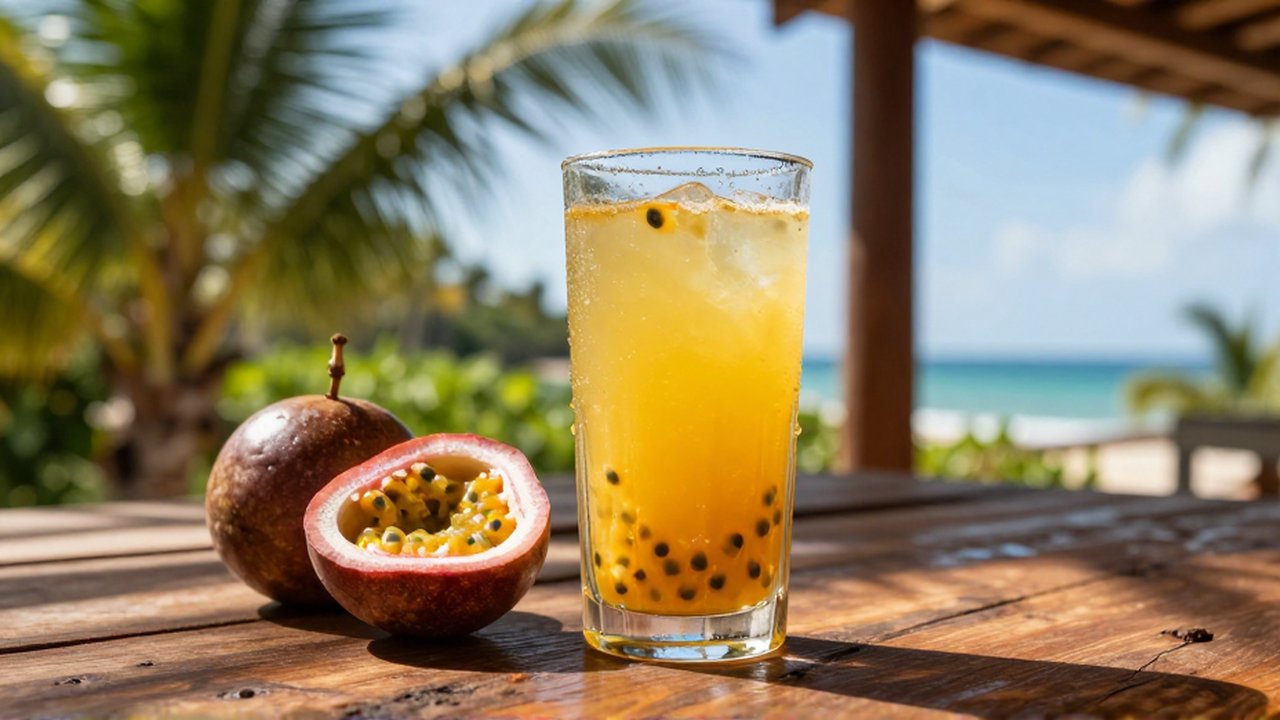
Passion fruit, known locally as parcha, is perhaps one of the most iconic flavors in the Dominican Republic. When processed into juice, it becomes a powerhouse of micronutrients, particularly regarding antioxidant support.
The primary nutritional highlight of passion fruit juice is its high concentration of Vitamin C. This water-soluble vitamin is crucial for the synthesis of collagen and the proper functioning of the immune system. Additionally, passion fruit is a significant source of Vitamin A, which is essential for maintaining healthy vision and skin integrity.
Beyond these two, the juice contains various B-complex vitamins that assist in energy metabolism. Because passion fruit is naturally high in dietary fiber if the pulp is included, it also aids in digestive regularity. However, since passion fruit is naturally acidic, it is best consumed in moderation to avoid potential tooth enamel erosion or stomach sensitivity.
Vitamin profiles of guava and papaya juices
Guava and papaya are two of the most widely available fruits used to make juices in Dominican homes. While they have different flavor profiles, they both serve as exceptional vitamin delivery systems.
Guava Juice Guava is often considered a "superfruit" due to its incredible nutrient density. In many cases, the vitamin C content in guava juice significantly exceeds that of citrus fruits. This makes it an excellent choice for supporting the body's natural defenses. It also provides a substantial amount of Vitamin A, which supports cellular growth and immune response.
Papaya Juice Papaya, or lechoza, provides a much gentler nutritional profile that is highly beneficial for digestive health. It is rich in Vitamin C and Vitamin A, but it is also notable for its contribution to antioxidant levels. The juice is particularly useful for individuals looking to increase their intake of carotenoids, which are precursors to Vitamin A that help protect cells from oxidative stress.
Essential vitamins in mango and pineapple juices

Mango and pineapple are consistent favorites in the Dominican Republic, offering a sweet, tropical experience that is also nutritionally dense.
| Fruit Juice | Primary Vitamins | Key Nutritional Benefit |
|---|---|---|
| Mango | Vitamin A, Vitamin C, Vitamin B6 | Eye health and immune support |
| Pineapple | Vitamin C, Vitamin B1 (Thiamin) | Antioxidant support and metabolism |
Mango Juice is a dense source of Vitamin A (in the form of beta-carotene), which is vital for eye health and reproductive health. It also provides Vitamin C and Vitamin B6, which plays a role in brain development and function.
Pineapple Juice is best known for its high Vitamin C content, which helps in the absorption of iron from other foods. It also contains Thiamin (Vitamin B1), which is necessary for converting nutrients into energy. While pineapple contains digestive enzymes, the vitamin content remains the primary focus when discussing its nutritional value in juice form.
Maximizing vitamin absorption and health considerations
To derive the most benefit from tropical fruit juices, the method of preparation and consumption is critical. While pure juices are highly nutritious, there are certain practices that can diminish their value.
One significant factor is the addition of refined sugar. While many traditional recipes include sweetener, high amounts of sugar can counteract some of the metabolic benefits of the vitamins. Consuming the juice fresh is ideal, as prolonged exposure to light and air can cause the degradation of sensitive vitamins like Vitamin C.
Furthermore, it is important to distinguish between whole fruit and juice. Juicing often removes the insoluble fiber found in the fruit pulp. While the vitamins remain present in the liquid, losing the fiber can lead to faster spikes in blood glucose levels. For the best nutritional balance, consuming the juice alongside whole foods or opting for "nectars" that retain more pulp is recommended.
Frequently asked questions
Does drinking fruit juice replace the need for whole fruit? While juices are high in vitamins, they lack the structural fiber found in whole fruit. It is best to view juices as a supplement to a diet rich in whole fruits rather than a complete replacement.
Is it better to drink juice in the morning or at night? Most tropical juices are rich in Vitamin C and natural sugars, which can provide a refreshing energy boost. Consuming them in the morning or during midday is often preferred to align with natural energy cycles.
Can I freeze tropical fruit juice without losing vitamins? Freezing can preserve most vitamins, although Vitamin C is particularly sensitive to temperature changes and oxidation. It is still significantly more nutritious than many processed, shelf-stable commercial juices.
Why is passion fruit juice so much more acidic than papaya juice? Passion fruit has a higher concentration of organic acids, which contributes to its sharp flavor. Papaya is more alkaline and milder, making it easier on the stomach for those sensitive to acidity.
Leave a Reply