
Health benefits of eating locally sourced seed oils
Introduction
Seed oils are fats extracted from the kernels of various plants, such as sunflower, sesame, or pumpkin seeds. In many tropical regions, these oils serve as fundamental culinary staples, providing essential fatty acids and energy for daily meals. Understanding the nutritional profile of these oils is vital for anyone looking to optimize their diet, as the quality of the fat you consume directly impacts metabolic health and cellular function.
Choosing locally sourced seed oils offers a distinct advantage in terms of freshness and nutritional integrity. When oils are produced nearby, they undergo less processing, travel less distance, and are consumed closer to their extraction date. This relevance matters because the chemical stability of fats decreases over time, making local procurement a strategic choice for maintaining a nutrient-dense lifestyle.
Nutritional advantages of seed oils
Seed oils are a primary source of essential fatty acids that the human body cannot produce on its own. Most seed oils are rich in polyunsaturated fats (PUFAs), which play a critical role in maintaining healthy cell membranes and supporting brain function. Depending on the specific seed used, these oils may also provide significant amounts of Vitamin E, a potent antioxidant that helps protect cells from oxidative stress.
The specific fatty acid profile varies significantly between different seeds. For instance, some oils are high in omega-6 fatty acids, which are necessary for skin and hair health, while others contain higher concentrations of omega-3s. By consuming a variety of seed oils, individuals can achieve a more balanced intake of lipids, which is essential for regulating inflammation and supporting cardiovascular health.
Benefits of choosing local production
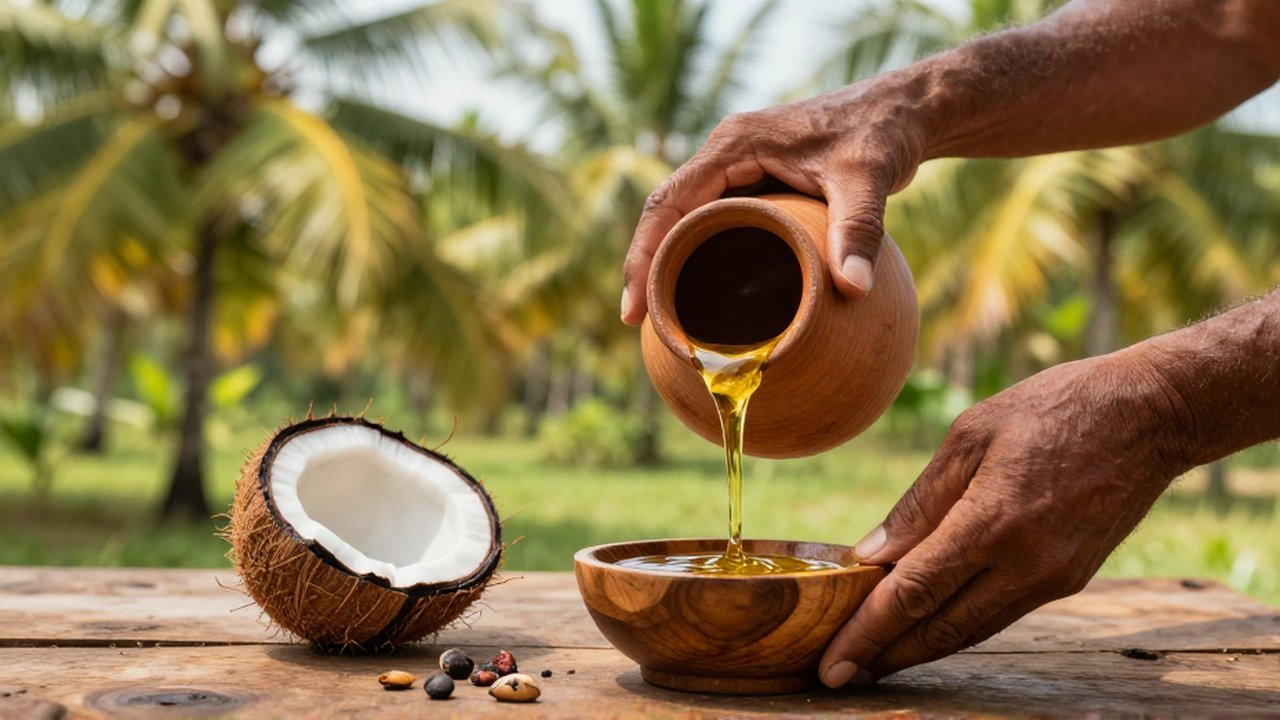
When you opt for locally produced seed oils, you are often prioritizing quality over mass-produced industrial alternatives. Local producers frequently utilize traditional pressing methods, such as cold-pressing, which preserves the delicate nutrients and flavor profiles of the seeds. This method avoids the use of high heat and chemical solvents that are common in large-scale industrial refining.
Furthermore, local sourcing contributes to a shorter supply chain. Shorter transit times mean the oil is less likely to be exposed to extreme temperatures or prolonged oxygen exposure, both of which can lead to rancidity. Consuming fresher oils ensures that you are receiving the maximum amount of bioactive compounds, such as polyphenols, which are often lost during long-term storage and international shipping.
Comparative qualities of common seed oils
| Oil Type | Primary Fatty Acid | Common Culinary Use | Key Nutrient |
|---|---|---|---|
| Sesame Oil | Monounsaturated/Polyunsaturated | Sautéing and dressings | Vitamin E |
| Sunflower Oil | Polyunsaturated | Frying and baking | Vitamin E |
| Pumpkin Seed Oil | Monounsaturated | Finishing oil/Salads | Antioxidants |
| Soybean Oil | Polyunsaturated | General cooking | Essential Fatty Acids |
How to select high quality oils
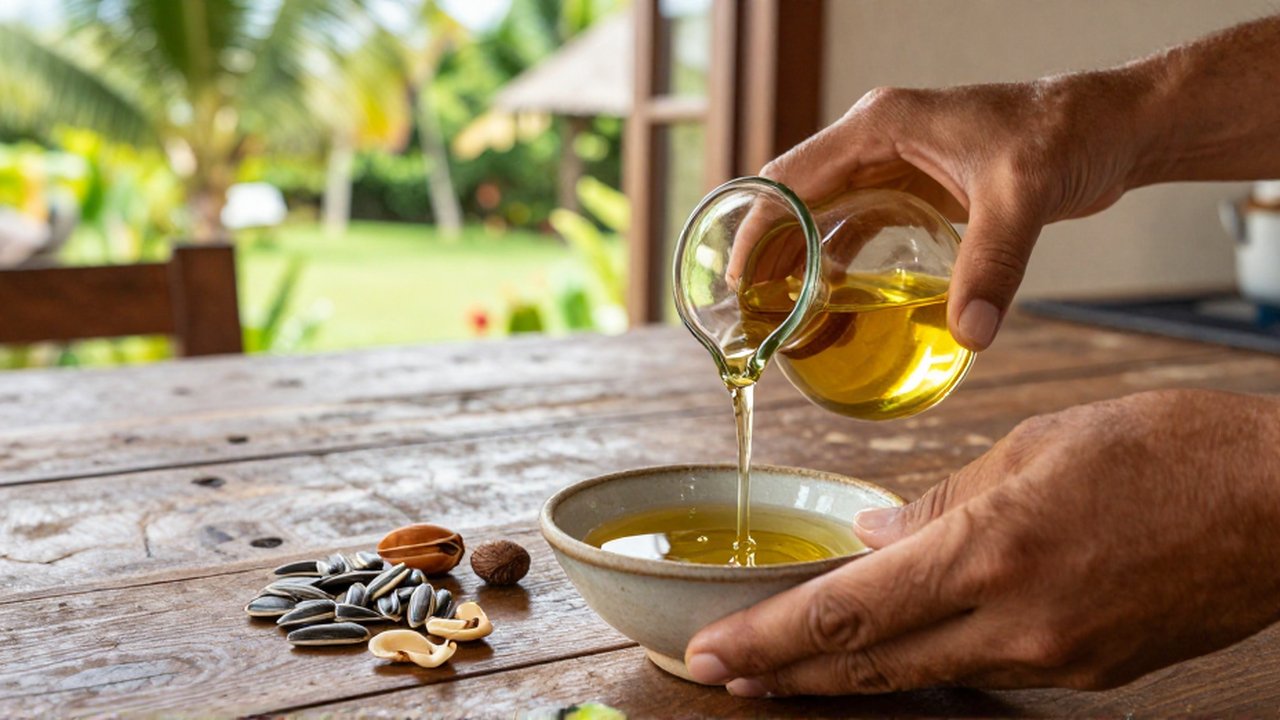
To reap the maximum health benefits, it is important to use specific criteria when selecting your oils. Look for "cold-pressed" labels, as this indicates the oil was extracted without high heat, preserving its chemical structure. The color and clarity of the oil also serve as indicators; for example, many high-quality local seed oils have a deep, rich hue that reflects their nutrient density.
Storage is another critical factor in maintaining oil quality. Because seed oils are high in polyunsaturated fats, they are sensitive to light and heat. To prevent oxidation, always store your oils in dark glass bottles and keep them in a cool, dark cupboard. If a locally produced oil begins to smell bitter or "off," it has likely oxidized and should no longer be consumed.
Common mistakes in fat consumption
One of the most frequent mistakes is using high-heat cooking methods for oils that are not heat-stable. While some seed oils have higher smoke points, many cold-pressed local oils are best used as "finishing oils"—added to a dish after cooking—to prevent the degradation of nutrients. Using an oil past its smoke point can create harmful compounds that negate its health benefits.
Another mistake is the overconsumption of a single type of oil. A balanced diet requires a variety of fat sources to ensure a wide spectrum of fatty acids. Relying solely on one type of oil can lead to an imbalance in the ratio of omega-6 to omega-3 fatty acids, which is an important consideration for long-term wellness.
Frequently asked questions
Can I use local seed oils for deep frying? It depends on the specific oil. Oils with a high smoke point are better for frying, whereas cold-pressed oils with lower smoke points are better suited for dressings and light sautéing to preserve their nutritional value.
Why is cold-pressed oil better than refined oil? Cold-pressing uses mechanical pressure instead of chemicals or high heat. This keeps the natural antioxidants, vitamins, and healthy fats intact, whereas refining often strips these elements away.
How can I tell if my seed oil has gone bad? The most reliable sign of rancid oil is a strong, unpleasant, or bitter smell. You may also notice a change in color or a sticky texture that differs from when the oil was fresh.
Are seed oils better than animal fats? Both have roles in a healthy diet. Seed oils are excellent sources of essential fatty acids and antioxidants, while animal fats provide different types of saturated fats. A balanced approach usually involves a combination of both.
Leave a Reply