
Health benefits of eating tropical bananas regularly

Introduction
Bananas are a cornerstone of tropical diets, celebrated not only for their convenient packaging and sweet flavor but also for their dense nutritional profile. Incorporating these fruits into a daily routine can provide a steady stream of essential vitamins and minerals that support various bodily functions. Whether enjoyed fresh, blended into smoothies, or used in traditional Caribbean culinary preparations, bananas serve as a highly accessible source of energy and nourishment.
Understanding the nutritional impact of regular banana consumption is vital for anyone looking to optimize their dietary habits. These fruits offer much more than just quick carbohydrates; they contain complex fibers and micronutrients that play critical roles in cardiovascular health, digestion, and muscle function. By integrating them into a balanced diet, individuals can leverage their natural benefits to improve overall well-being and maintain consistent energy levels throughout the day.
Nutritional composition of tropical bananas
To understand why bananas are beneficial, one must first look at what they are made of. A single medium-sized banana is a powerhouse of nutrients that are easily absorbed by the body. They are particularly rich in several key components:
- Potassium: An essential mineral and electrolyte that is fundamental to heart health and nerve signaling.
- Vitamin B6: A nutrient that assists in brain development and helps the body metabolize proteins and carbohydrates.
- Vitamin C: An antioxidant that supports immune function and skin health.
- Dietary Fiber: Specifically pectin and resistant starch, which are crucial for digestive regularity.
- Magnesium: A mineral that supports muscle relaxation and bone health.
Beyond these specific nutrients, bananas provide a healthy dose of natural sugars, such as glucose, fructose, and sucrose. When eaten alongside their inherent fiber, these sugars provide a more controlled release of energy, making them an excellent choice for preventing sudden blood sugar crashes.
Cardiovascular and heart health support
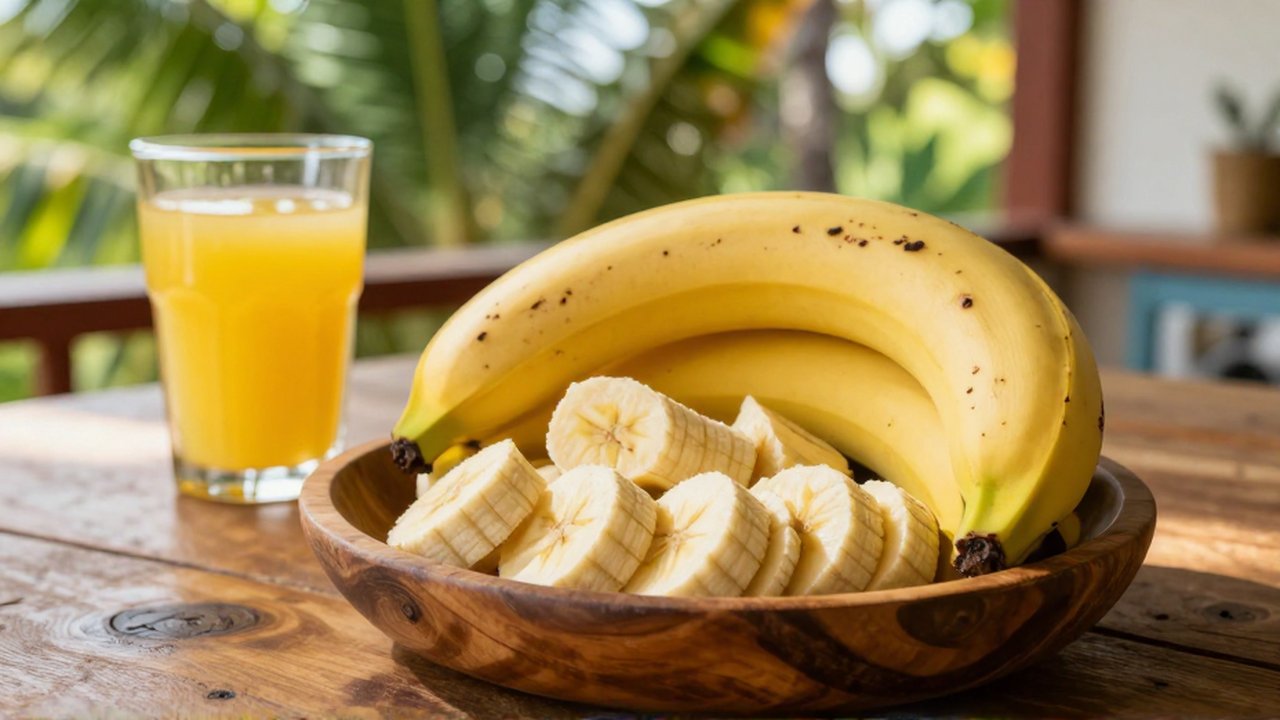
One of the most significant advantages of regular banana consumption is the support it provides to the cardiovascular system. The high potassium content is the primary driver of this benefit. Potassium helps manage blood pressure levels by mitigating the effects of sodium and easing tension in the blood vessel walls.
When blood pressure is kept within a healthy range, the strain on the heart is reduced, which is a key factor in long-term cardiovascular wellness. Furthermore, the presence of antioxidants helps combat oxidative stress, which is often linked to inflammation and arterial issues. By providing a consistent supply of these minerals, bananas act as a natural dietary support for maintaining a healthy circulatory system.
Digestive wellness and gut health
Bananas are widely recognized for their ability to soothe and support the digestive tract. This is largely due to their fiber content and their unique chemical makeup. Depending on the ripeness of the fruit, the type of fiber present changes, offering different benefits:
- Green/Underripe Bananas: These contain higher levels of resistant starch. This type of starch acts similarly to soluble fiber, passing through the small intestine undigested and reaching the colon, where it serves as a prebiotic for beneficial gut bacteria.
- Ripe Bananas: As bananas ripen, the starch converts into simple sugars and soluble fiber like pectin. Pectin is excellent for promoting regular bowel movements and helps stabilize the digestive process.
Regular consumption can help prevent constipation and promote a diverse microbiome. Additionally, for those experiencing digestive sensitivity, the soft texture of ripe bananas makes them easy to digest, providing gentle nourishment without irritating the intestinal lining.
Energy levels and athletic performance

For active individuals, bananas are often considered the perfect natural "energy bar." The combination of complex carbohydrates and natural sugars provides a dual-action energy boost. The immediate sugars offer quick fuel, while the fiber ensures that this energy is sustained rather than resulting in a rapid spike and subsequent "crash."
Moreover, the electrolyte balance provided by potassium and magnesium is essential during physical exertion. During exercise, the body loses minerals through sweat, which can lead to muscle cramps and fatigue. Replacing these electrolytes through fruit consumption helps maintain muscle contractions and prevents the physiological disruptions caused by mineral depletion.
Important considerations for consumption
While bananas are highly beneficial, it is important to approach them with balance. Because they are calorie-dense and contain natural sugars, moderation is key for individuals monitoring their total caloric intake or managing specific metabolic conditions like diabetes.
| Feature | Benefit | Consideration |
|---|---|---|
| Potassium | Heart and muscle health | High intake may affect those with kidney issues |
| Fiber | Digestive regularity | Increasing fiber too quickly can cause bloating |
| Natural Sugars | Immediate energy | Should be balanced within a daily sugar limit |
Individuals with chronic kidney disease should consult a healthcare professional before significantly increasing their potassium intake, as the kidneys are responsible for regulating potassium levels in the blood.
Frequently asked questions
Is it better to eat green or ripe bananas? It depends on your goal. Green bananas are higher in resistant starch, which is better for gut health and blood sugar stability. Ripe bananas are easier to digest and provide quicker energy due to their higher sugar content.
Can bananas help with muscle cramps? Yes, they can. The potassium and magnesium found in bananas help regulate nerve impulses and muscle contractions, which may help reduce the frequency and intensity of cramps.
Are bananas a good snack for weight management? Bananas can be part of a weight management plan because they are satiating due to their fiber content. However, they do contain calories, so they should be consumed as part of a balanced total daily intake.
Does eating bananas affect blood sugar? Bananas contain natural sugars that can affect blood glucose. Riper bananas have a higher glycemic index than green ones. People managing diabetes should monitor their portions and prefer slightly less ripe fruit.
Leave a Reply