Best rum brands for authentic Dominican cocktails
Introduction
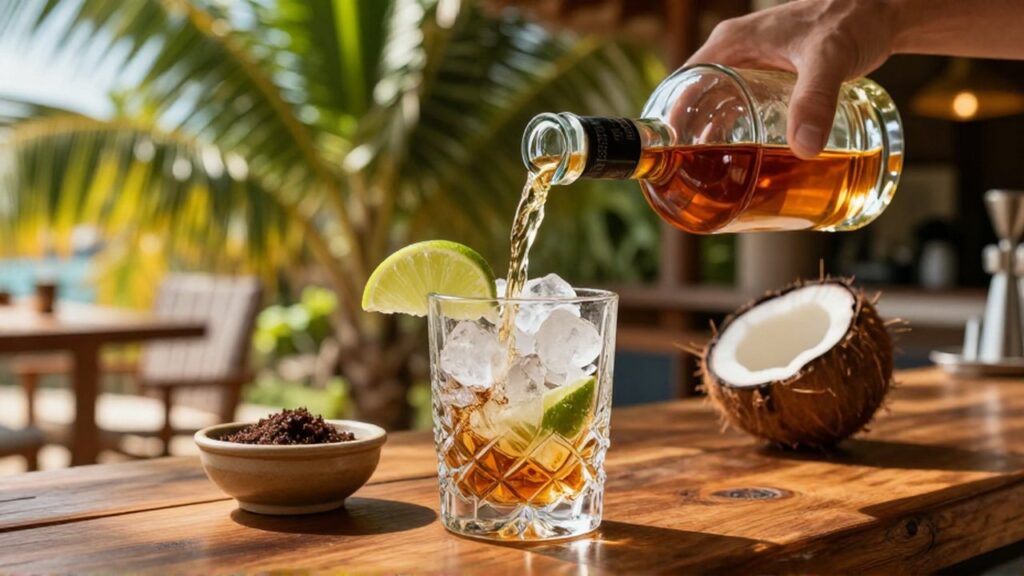
Dominican rum is the soul of the island’s cocktail culture, acting as the foundational element for many of the region's most beloved tropical drinks. Understanding the nuances of different rum profiles is essential for anyone looking to replicate the authentic taste of a Caribbean sunset in a glass. Whether you are preparing a refreshing highball or a complex, sipping cocktail, the quality and character of the spirit will dictate the final result.
Using the right brand is not just about prestige; it is about matching the flavor profile of the rum to the specific needs of your recipe. Some rums offer the lightness required for citrus-heavy drinks, while others provide the deep, oaky notes necessary to balance heavy syrups or bitter liqueurs. This guide explores the top Dominican rum selections to help you master the art of the authentic cocktail.
Essential rum profiles for cocktail making
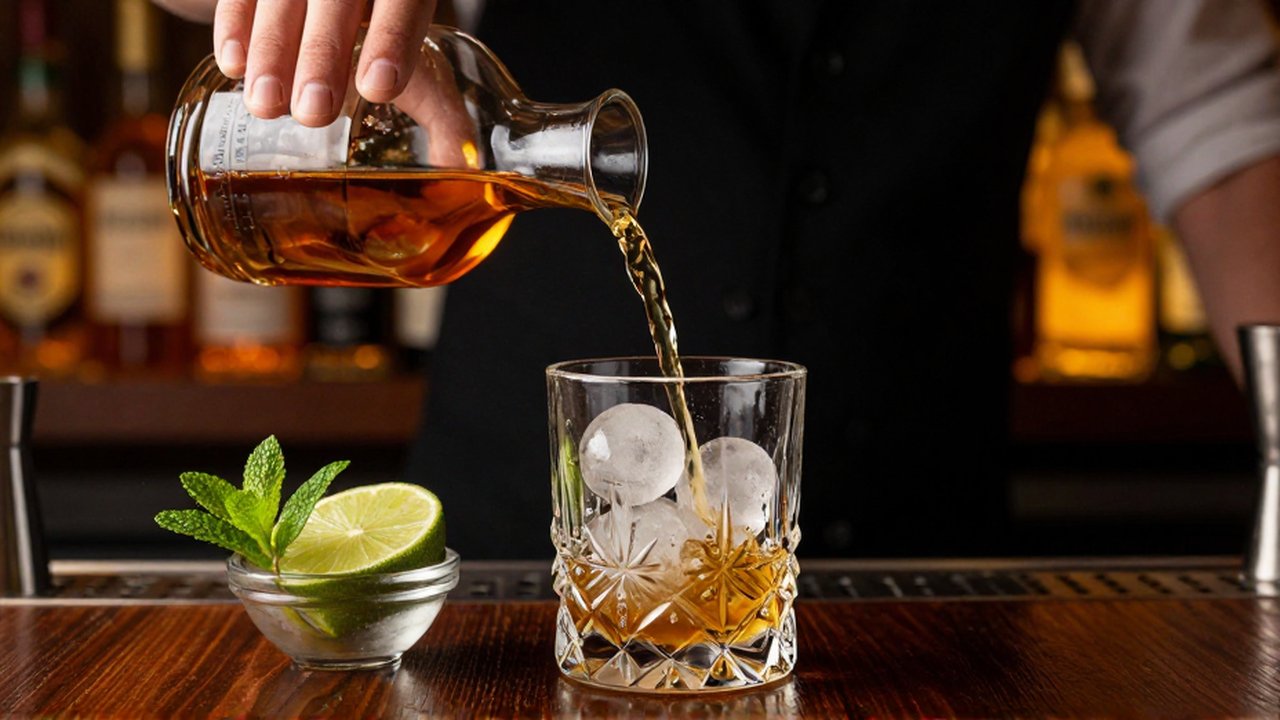
When selecting a rum for cocktails, it is helpful to categorize them by their body and aging process. Dominican rum is known for its versatility, ranging from light, white rums to intense, aged varieties.
White or Silver Rums These are essentially unaged or minimally aged rums that have been filtered to achieve clarity. In Dominican mixology, these are the workhorses for drinks like the classic Mojito or Daiquiri. They provide the alcoholic backbone without overpowering the delicate flavors of fresh lime, mint, or tropical juices like pineapple and coconut.
Gold and Amber Rums These rums have spent time in wooden barrels, picking up notes of vanilla, caramel, and spice. They are ideal for "tiki" style cocktails where you want a bit more complexity. A gold rum can bridge the gap between a light refreshing drink and a heavy, dessert-style cocktail.
Aged and Dark Rums These are the premium selections, often characterized by heavy wood influence and deep molasses flavors. While often enjoyed neat, they serve an incredible purpose in cocktails that require a "long" finish or a smoky, rich profile. They are excellent when paired with bitters or used in small quantities to add depth to a larger drink.
Top Dominican rum brands for your bar
To achieve professional results, choosing a reliable brand is the first step. The following categories represent the standard of excellence in the Dominican Republic.
| Rum Type | Ideal Use Case | Flavor Profile |
|---|---|---|
| Light/White Rum | Highballs, Daiquiris, Mojitos | Clean, subtle, slightly sweet |
| Gold/Amber Rum | Mai Tais, Cuba Libres, Punch | Caramel, vanilla, toasted oak |
| Aged/Premium Rum | Sipping cocktails, Old Fashioneds | Deep spice, cocoa, heavy oak |
Classic White Rums For cocktails that demand freshness, look for Dominican brands that prioritize a clean finish. A high-quality white rum should not taste "harsh" or overly medicinal; instead, it should act as a smooth carrier for other tropical ingredients. These are best used when the goal is a crisp, thirst-quenching beverage.
Versatile Gold Rums Many Dominican producers excel at creating gold rums that maintain a balance between sweetness and structure. These are arguably the most useful bottles to own if you plan on making a variety of cocktails. They offer enough character to stand up to sugar cane syrups but remain light enough to complement fruit purees.
Premium Aged Rums For the connoisseur, Dominican aged rums are world-class. Brands that offer long-aged expressions provide a sophisticated texture that can transform a simple cocktail into a luxury experience. When using these, remember that a little goes a long way; their intensity can easily mask other ingredients if used too liberally.
Tips for choosing the right bottle
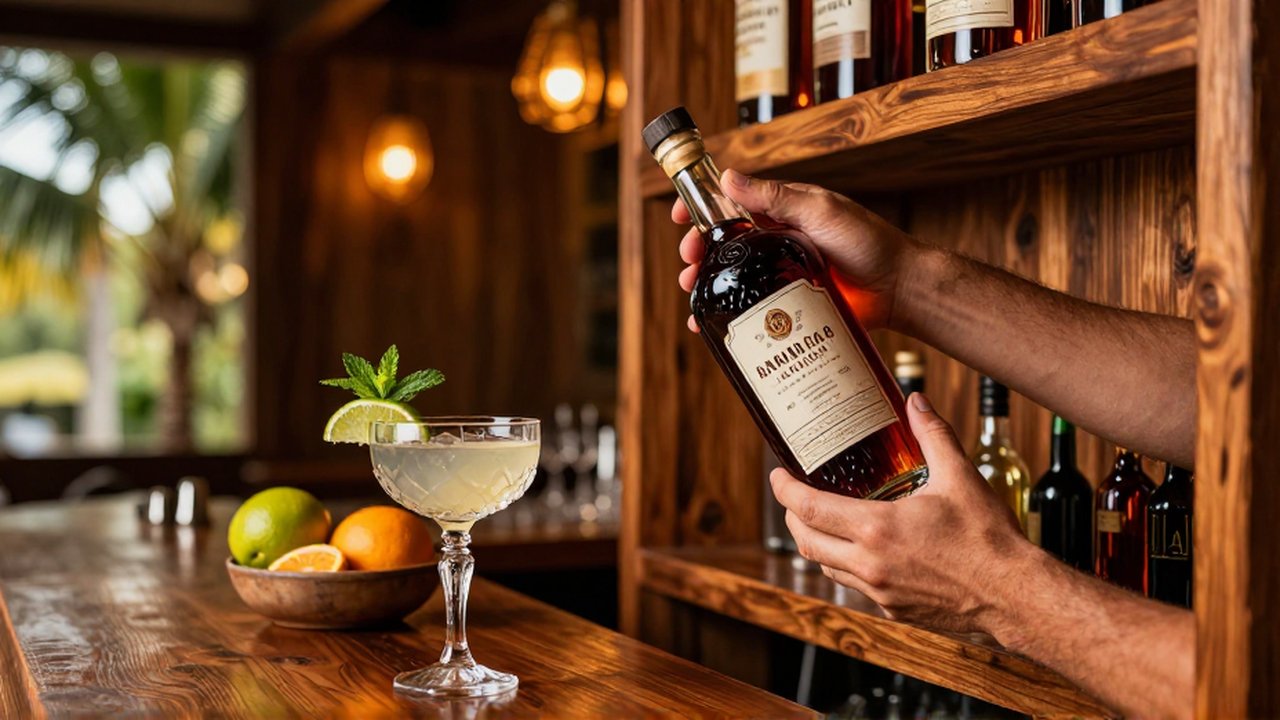
Selecting a rum involves more than just looking at the label. Consider these factors to ensure your cocktail reaches its full potential.
Match the weight of the ingredients A common mistake is using a heavy, aged rum in a drink meant to be light and fizzy. If your cocktail is mostly soda water and citrus, stick to a light rum. If your cocktail involves cream, coffee, or dark chocolate, reach for an aged expression.
Consider the sugar content Some rums are naturally sweeter due to the fermentation and aging process. If you are using a very sweet gold rum, you may want to reduce the amount of simple syrup or agave used in your recipe to maintain balance.
Avoid overly cheap commercial spirits for complex recipes While budget-friendly rums work well for basic "rum and coke" style drinks, they often lack the complexity needed for craft cocktails. For anything involving delicate ingredients like fresh passionfruit or elderflower, invest in a mid-tier or premium Dominican brand to ensure the spirit complements rather than clashes with the botanicals.
Frequently asked questions
Can I use any rum for a Dominican cocktail? While you can use almost any rum, the "authenticity" depends on the profile. For tropical, fruity drinks, white or gold rums are preferred. Using an extremely heavy, dark rum in a light Mojito will change the character of the drink entirely.
Does the age of the rum matter for cocktails? Yes. Age dictates the intensity of flavor. Younger rums are better for refreshing, citrus-based drinks, while older rums are better suited for slow-sipping, spirit-forward cocktails.
What is the best way to store rum for cocktails? Store your bottles in a cool, dark place away from direct sunlight. Keep them upright to prevent the alcohol from degrading the seal of the cork or cap.
Is Dominican rum different from Jamaican or Cuban rum? Dominican rums are often noted for their smoothness and balance. While Jamaican rums can be more "funky" or heavy in esters, Dominican styles tend to be more versatile and approachable for a wide range of cocktail applications.
Leave a Reply