Best ways to prepare Dominican style garlic shrimp
Introduction
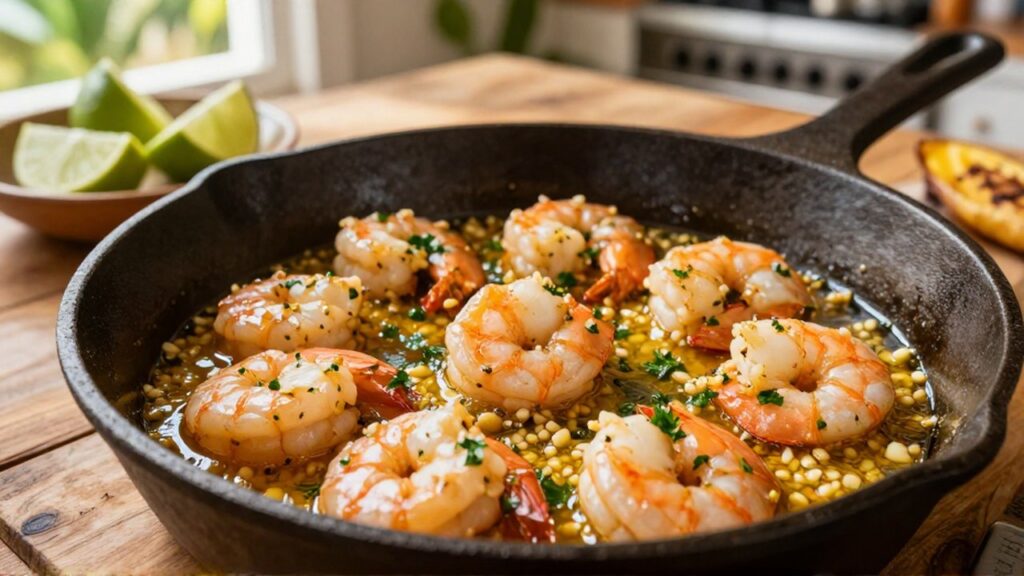
Dominican style garlic shrimp, often referred to locally as camarones al ajillo, is a quintessential dish found in the coastal regions of the Dominican Republic. It is a vibrant, aromatic preparation that highlights the freshness of the Caribbean Sea combined with the bold, punchy flavors of local aromatics. This dish is perfect for a quick weeknight dinner, a festive weekend gathering, or as a sophisticated appetizer for seafood lovers.
Understanding the essence of this preparation is key to capturing the tropical soul of Dominican cuisine. Unlike heavier European garlic sauces, the Dominican version relies on a delicate balance of high-quality fats, plenty of fresh garlic, and a touch of acidity to brighten the seafood. Mastering this dish allows you to bring a taste of the Caribbean into your own kitchen, providing a meal that is both comforting and incredibly flavorful.
Essential ingredients for authentic flavor

To achieve the true Dominican profile, you must prioritize fresh, high-quality ingredients. The success of the dish depends entirely on the quality of the seafood and the freshness of the aromatics.
- Fresh Shrimp: Ideally, use large prawns or shrimp that have been recently caught. If using frozen shrimp, ensure they are thawed completely and patted dry to prevent the sauce from becoming watery.
- Garlic: This is the protagonist of the dish. Use fresh cloves rather than pre-minced garlic from a jar. The flavor is significantly more potent and nuanced.
- Fat Source: While butter is common for a creamy finish, many traditional preparations use olive oil or coconut oil to lend a more tropical or Mediterranean influence.
- Acidic Elements: Fresh lime juice or a splash of dry white wine is necessary to cut through the richness of the garlic and oil.
- Aromatics and Seasoning: Common additions include finely chopped parsley, a pinch of salt, black pepper, and sometimes a hint of oregano or crushed red pepper for a subtle heat.
Step by step preparation methods
There are two primary ways to approach this dish depending on the desired texture of the sauce: the sautéed method for a light finish, and the butter-braised method for a richer experience.
The Light Sauté Method This method is ideal when you want the shrimp to remain the star and the sauce to act as a light coating. Begin by heating olive oil in a wide skillet over medium-high heat. Add the peeled and deveined shrimp, cooking them just until they turn pink. Remove the shrimp from the pan and set them aside. In the same pan, add more oil if needed and toss in a generous amount of minced garlic. Once the garlic is fragrant but not browned, add a squeeze of lime juice and a handful of chopped parsley. Return the shrimp to the pan, toss quickly to coat, and serve immediately.
The Rich Garlic Butter Method For those who prefer a velvety, decadent sauce, the butter-braised method is superior. Start by melting a combination of olive oil and unsalted butter in a pan. Add the garlic and cook it slowly on low heat so it becomes soft and infuses the fat without burning. Once the garlic is golden, increase the heat slightly and add the shrimp. As the shrimp cook, they will release juices that emulsify with the butter. Finish the dish with a splash of white wine and more parsley to balance the richness.
Common mistakes to avoid
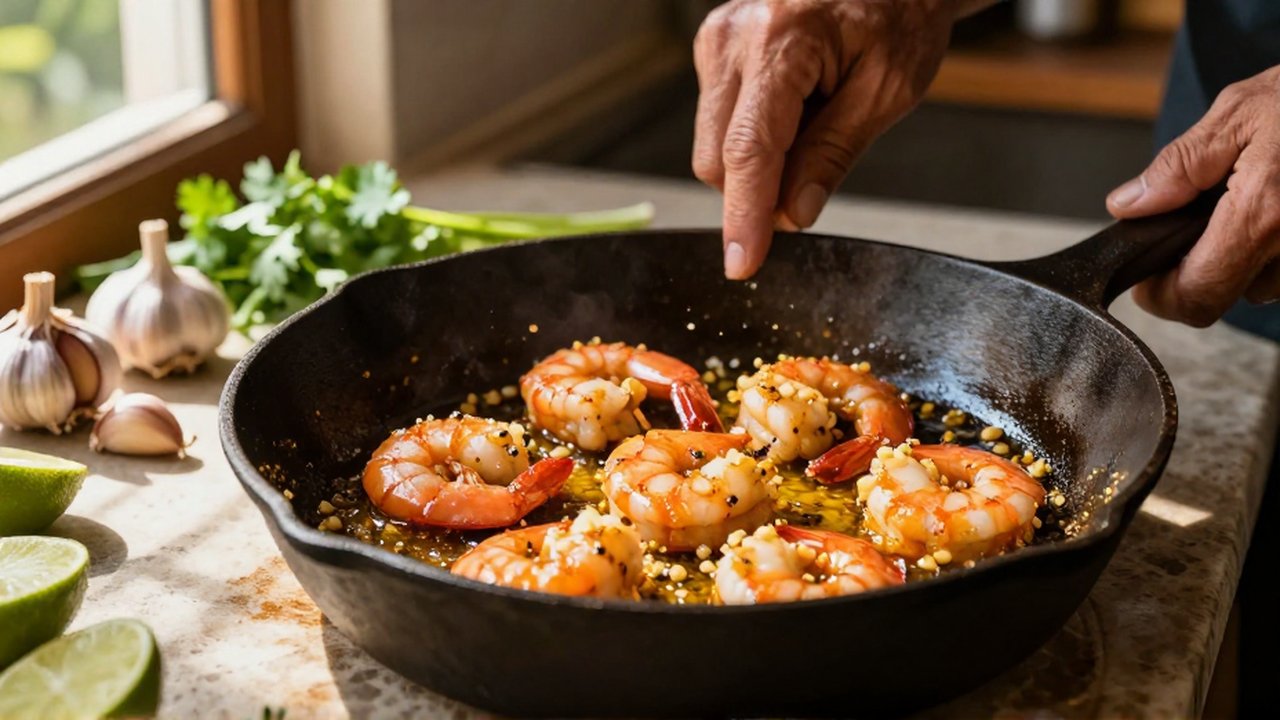
Even with simple ingredients, certain errors can compromise the delicate balance of Dominican garlic shrimp. Avoiding these common pitfalls will ensure professional results every time.
- Burning the garlic: Garlic turns bitter very quickly once it reaches a dark brown color. It is better to cook it slowly on lower heat to achieve a golden hue rather than rushing the process and burning it.
- Overcooking the shrimp: Shrimp cook extremely fast. Once they curl into a "C" shape and become opaque, they are done. If they curl tightly into an "O" shape, they are likely overcooked and will have a rubbery texture.
- Excessive moisture: If the shrimp are not dried thoroughly before hitting the pan, they will steam rather than sear. This results in a lack of flavor development and a diluted sauce.
- Under-seasoning: Because garlic is such a dominant flavor, it can easily mask the natural sweetness of the shrimp. Always season with salt and acid (lime or lemon) to ensure the flavors pop.
Ideal accompaniments for your meal
To transform these shrimp into a complete Dominican culinary experience, consider the following pairings:
| Side Dish | Why it works |
|---|---|
| White Rice | Absorbs the garlic-infused oil and butter perfectly. |
| Fried Plantains (Tostones) | Provides a salty, crunchy contrast to the soft shrimp. |
| Coconut Rice | Enhances the tropical notes of the garlic and lime. |
| Fresh Green Salad | Cuts through the richness of the garlic sauce with acidity. |
Frequently asked questions
Can I use frozen shrimp for this recipe? Yes, you can use frozen shrimp, but they must be completely thawed and patted dry with paper towels before cooking. If they are wet, the garlic sauce will become diluted and won't cling to the shrimp.
Should I leave the shells on? Leaving the shells on during the initial sautéing process can add more flavor to the oil, but for the most traditional "clean" eating experience, most people prefer peeled and deveined shrimp.
How can I make the dish spicier? To add heat without changing the garlic profile, add a pinch of crushed red pepper flakes or a small amount of finely minced habanero during the garlic sautéing stage.
What is the best way to store leftovers? Store any leftovers in an airtight container in the refrigerator for up to two days. When reheating, do so gently on low heat to avoid making the shrimp rubbery.
Leave a Reply