
Best ways to season Dominican style goat meat
Introduction
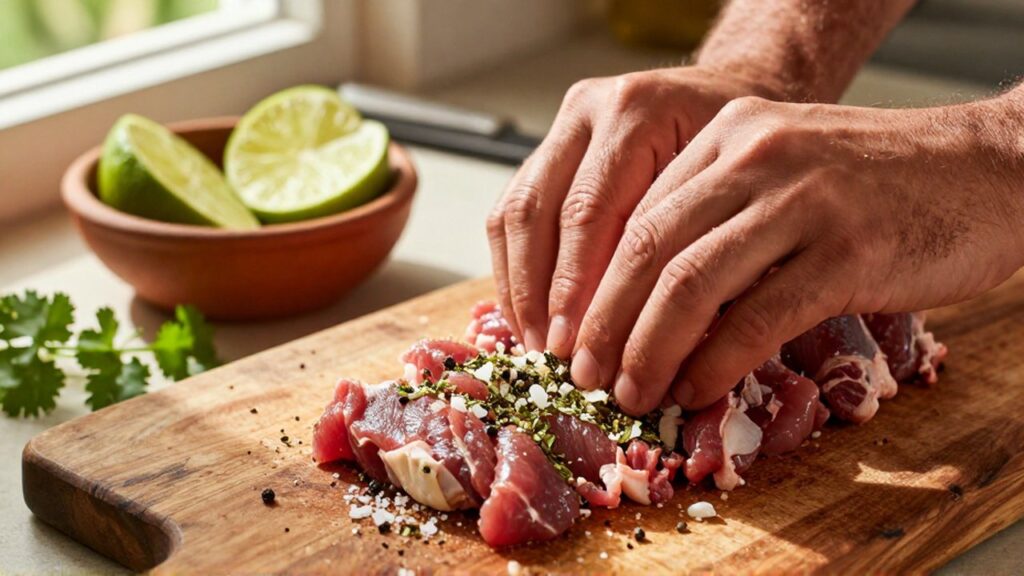
Goat meat, known locally in the Dominican Republic as chivo, is a cornerstone of Caribbean culinary identity. Seasoning this meat correctly is essential because goat has a distinct, robust flavor and a lean texture that requires careful preparation to ensure tenderness and depth. Mastering these seasonings allows you to recreate authentic traditional dishes, such as Chivo Guisado (stewed goat) or crispy fried goat, which are staples at festive gatherings and Sunday family lunches.
The secret to successful Dominican goat meat lies in the balance of aromatics and acidic elements. Unlike beef, which often relies on heavy fats, goat benefits from a bright, herbaceous profile that cuts through its natural gaminess. By using the right combination of local spices and techniques, you can transform a tough cut of meat into a succulent, flavorful centerpiece that captures the true essence of Dominican gastronomy.
Essential Dominican aromatics and spices
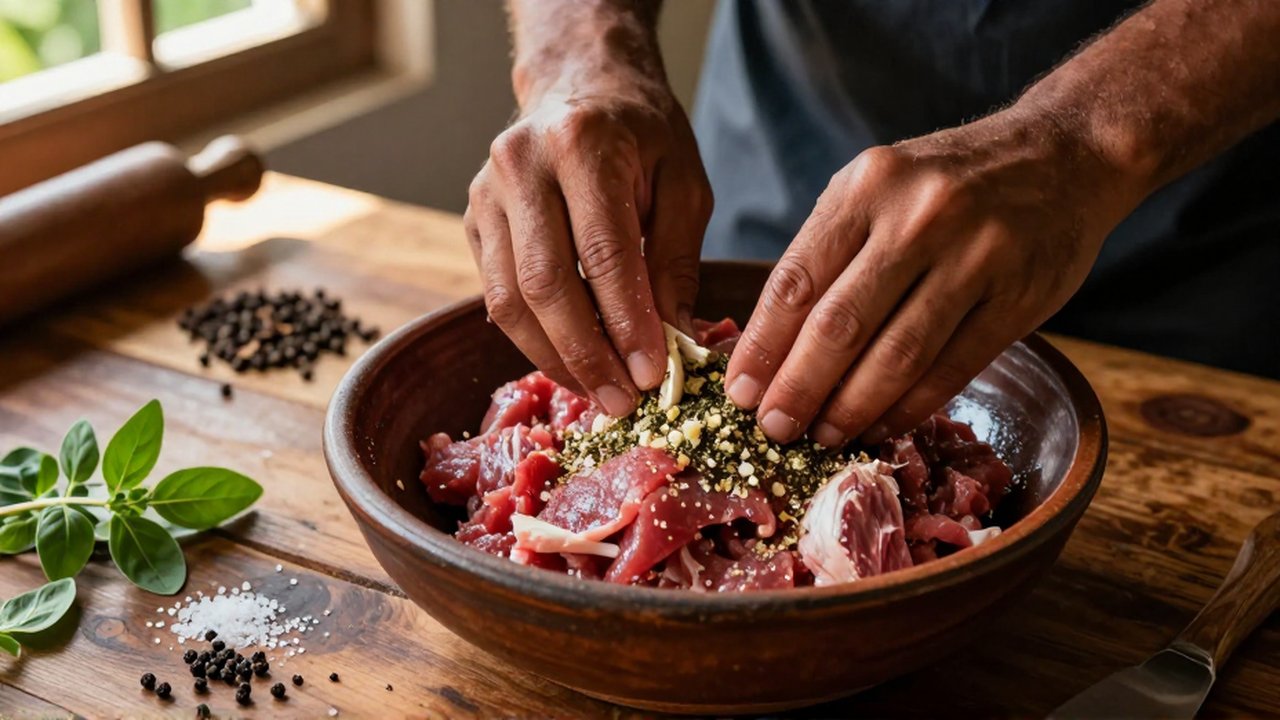
To achieve an authentic flavor profile, you must build a foundation of fresh aromatics. Dominican seasoning is rarely about a single spice; it is about a "sofrito" or a blend of fresh ingredients that work in harmony. The most critical components include garlic, onions, and bell peppers.
Garlic is perhaps the most important ingredient. In Dominican cooking, garlic is rarely used sparingly; it is crushed or minced heavily to permeate the meat. Moving beyond garlic, you should incorporate the following:
- Onions: Red onions provide a sharper bite, while white onions offer a milder sweetness.
- Bell Peppers: Green bell peppers are standard for savory stews, providing an earthy undertone.
- Oregano: Specifically, dried Dominican oregano is essential. It is more citrusy and robust than Mediterranean varieties.
- Cilantro: Freshly chopped cilantro added toward the end of cooking provides a bright, herbaceous finish.
- Lime or Bitter Orange: Acid is non-negotiable. Using citrus juice to marinate the meat helps break down tough fibers and balances the richness.
The step by step seasoning process
Seasoning goat meat is not a single action but a process that begins well before the meat hits the heat. To ensure the flavor reaches the center of the meat rather than just sitting on the surface, follow a structured approach.
The first step is the acidic soak. Submerge your goat pieces in lime juice or sour orange juice for at least 30 minutes. This serves two purposes: it neutralizes any overly strong "gamey" scents and begins the tenderizing process.
The second step is the herbaceous rub. Create a paste by blending garlic, salt, black pepper, oregano, and a touch of olive oil. Rub this mixture vigorously into every crevice of the meat. For the best results, let the meat rest in the refrigerator with these seasonings for several hours, or ideally overnight. This allows the salt to penetrate deep into the muscle fibers.
The final step occurs during the sauté phase. When you begin cooking, always start by browning the seasoned meat in a hot pot. Once the meat is browned, add your chopped onions and peppers. This allows the juices released by the vegetables to mingle with the spices already embedded in the meat, creating a concentrated sauce.
Flavor profiles for different cooking methods
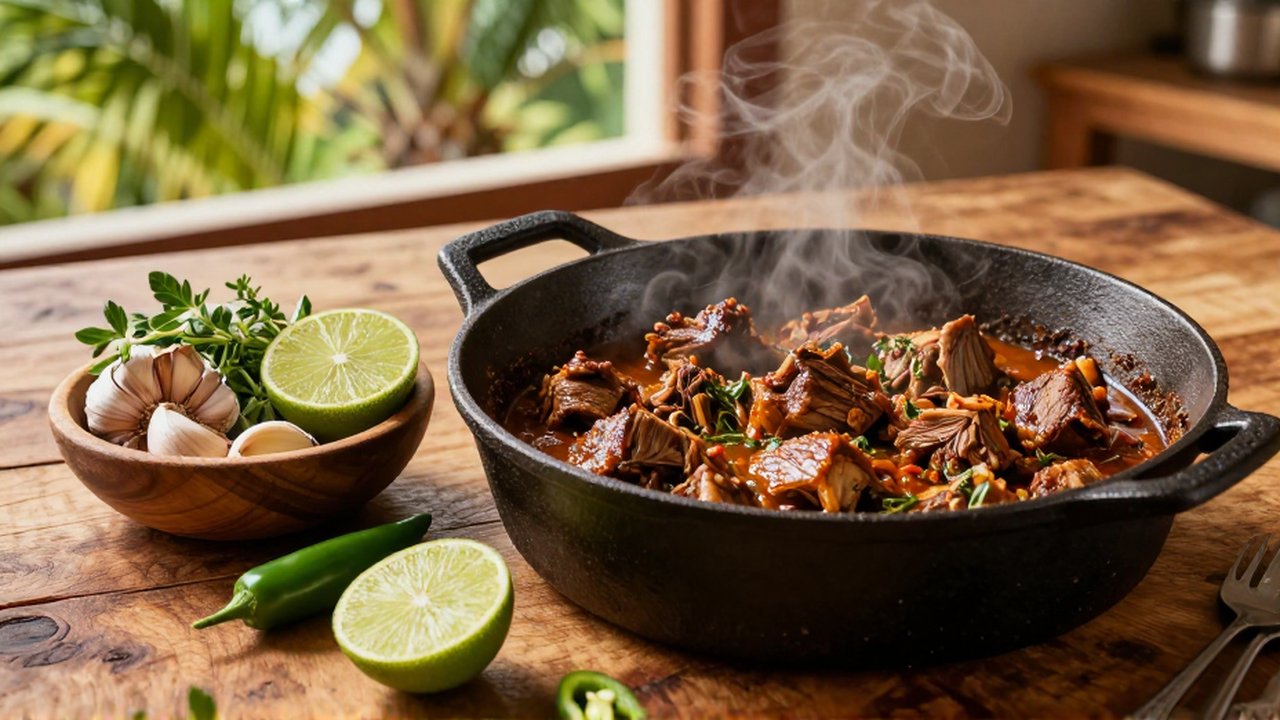
Depending on how you intend to prepare the goat, your seasoning strategy should shift slightly. The goal is to complement the texture that the cooking method will produce.
| Cooking Method | Primary Goal | Recommended Seasoning Focus |
|---|---|---|
| Stewing (Guisado) | Tenderness and Sauce | Heavy on garlic, onions, tomato paste, and plenty of liquid (stock or water). |
| Frying (Frito) | Crispness and Savory Note | Salt, oregano, garlic, and a hint of ají gustoso (sweet pepper). |
| Roasting (Asado) | Crust and Deep Flavor | A dry rub of heavy oregano, salt, pepper, and citrus zest. |
For a traditional stew, you might add a bay leaf or a small amount of cumin to add warmth. If you are frying the meat, keep the seasoning slightly more concentrated and dry to ensure the skin or exterior becomes crispy rather than soggy.
Common mistakes to avoid when seasoning goat
One of the most frequent errors is under-seasoning due to fear of gaminess. Many cooks attempt to mask the goat flavor with too many heavy spices like cloves or excessive cumin. This often results in a dish that tastes "muddy." Instead, use acidity (lime/orange) to balance the meat rather than trying to hide it.
Another mistake is skipping the marination time. Because goat is a leaner, denser meat, quick seasoning often results in a bland interior. If you are in a rush, you can compensate by scoring the meat (making small shallow cuts) to allow the spices to penetrate deeper, but time is always the best ingredient.
Lastly, avoid adding salt too late. Salt needs time to work its way into the proteins. If you only salt the meat during the simmering stage, the exterior might be salty while the interior remains bland.
Frequently asked questions
Can I use lemon if I cannot find bitter oranges? Yes, lemon juice is a functional substitute for sour orange or bitter orange. However, lemon is more acidic, so you may want to use slightly less to avoid overpowering the meat.
Is dried oregano better than fresh for Dominican goat? For authentic Dominican flavor, dried oregano is actually preferred. The drying process concentrates the oils, providing that specific earthy, pungent note required for traditional recipes.
How do I know if I have seasoned enough? A good rule of thumb is to taste a small piece of the meat during the simmering process (once it is cooked through). The seasoning should feel integrated into the meat, not just a layer on top of it.
Should I remove the fat before seasoning? It is best to leave some fat attached for flavor and moisture during the seasoning process, but avoid excessive pieces of hard fat that will not render down, as they can become unpleasantly chewy.
Leave a Reply