
Best ways to serve melon in tropical desserts

Introduction
Melon is a cornerstone of tropical dessert making, offering a refreshing burst of hydration and natural sweetness that perfectly complements the warm climate. Whether you are working with cantaloupe, honeydew, or local tropical varieties, the fruit provides a versatile canvas for a wide range of culinary applications. Using melon in desserts allows chefs and home cooks to balance heavy creams or rich chocolates with a lighter, more acidic, or watery profile that cleanses the palate.
Integrating melon into your sweet repertoire is most appropriate during the hot summer months or as a light conclusion to a heavy tropical feast. Because melons have high water content, they act as a natural cooling agent. Mastering the various ways to serve this fruit—from chilled salads to sophisticated sorbets—ensures that you can elevate simple ingredients into memorable, professional-grade desserts.
Pairing melon with creamy elements
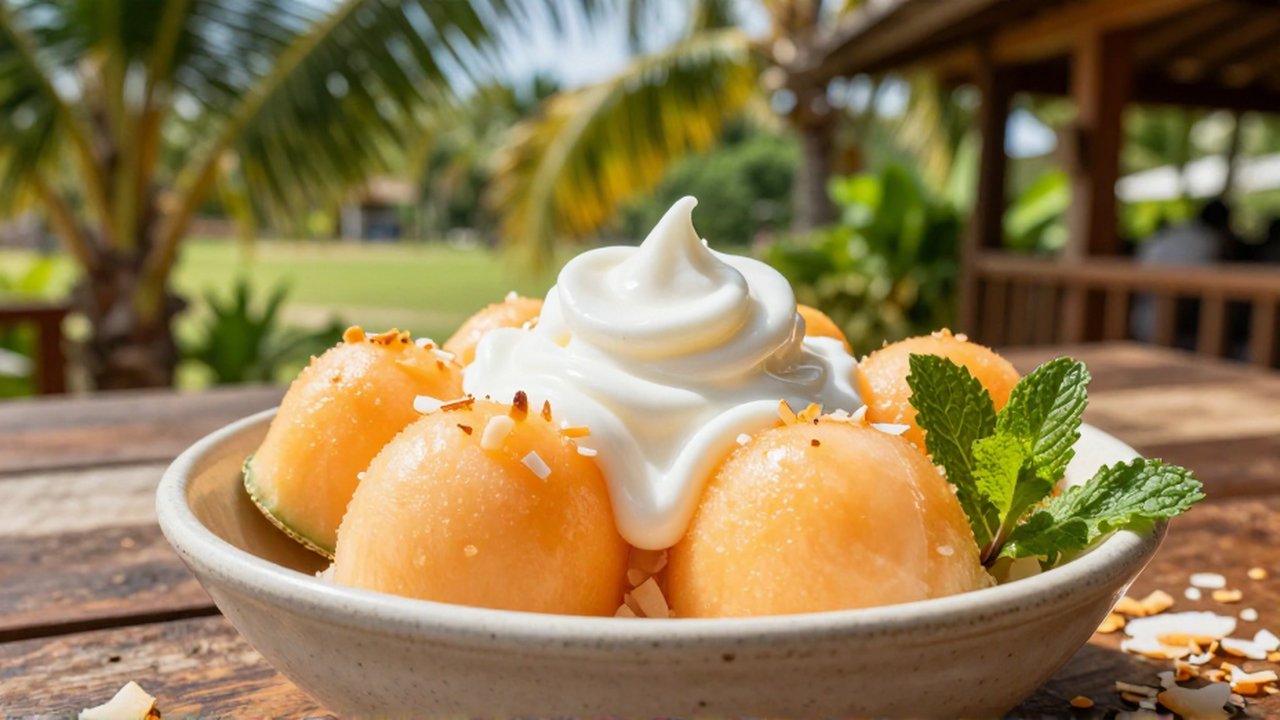
One of the most effective ways to serve melon is by contrasting its refreshing texture with something rich and velvety. The lightness of many melon varieties can easily be overwhelmed by heavy fats, so the key is to choose dairy or non-dairy components that enhance rather than mask the fruit's delicate flavor.
A classic approach involves pairing melon wedges with high-quality mascarpone or sweetened Greek yogurt. The slight acidity in yogurt helps to brighten the melon's sweetness. For a more decadent tropical experience, coconut cream is an exceptional choice. The subtle nuttiness of coconut complements the floral notes found in cantaloupe and honeydew beautifully.
To achieve a professional presentation, consider these combinations:
- Melon and Whipped Cream: Gently fold melon cubes into lightly sweetened whipped cream, perhaps adding a hint of lime zest to bridge the flavors.
- Melon with Ricotta: Use a creamy, slightly grainy ricotta cheese to provide a textural contrast to the smooth fruit.
- Fruit and Cream Salsas: Finely dice the melon and mix it with a bit of cream and honey to serve atop a warm tropical cake.
Creating refreshing melon sorbets and granitas
When the temperature rises, icy textures are often more desirable than creamy ones. Melon is an ideal candidate for frozen desserts because its high water content leads to a smooth, refreshing mouthfeel when processed correctly.
For a smooth sorbet, puree the melon flesh and pass it through a fine-mesh sieve to remove any fibers or seeds. Combine this puree with a simple syrup and a splash of citrus juice, such as lime or lemon, to prevent the flavor from becoming too flat. Freezing this mixture in an ice cream maker provides a luxurious texture.
If you prefer a more rustic, crystalline texture, a granita is the best route. To make a melon granita, mix the melon juice with a small amount of sugar and freeze it in a shallow pan. Every thirty minutes, scrape the mixture with a fork to break up the ice crystals. This results in a light, shaved-ice dessert that is perfect for serving in chilled glasses at tropical gatherings.
Elevating melon through fruit salads and carpaccios

Melon lends itself exceptionally well to presentations that emphasize its visual beauty. Because of its vibrant colors—ranging from pale green to deep orange—it can be the star of a fruit-based plate.
A melon carpaccio is a sophisticated way to serve the fruit. Instead of large chunks, slice the melon into paper-thin translucent sheets. Arrange them across a flat plate and garnish with fresh mint leaves, toasted coconut flakes, or a drizzle of lime juice. This method maximizes the surface area, allowing the fruit to melt on the tongue.
If you are preparing a tropical fruit salad, consider these tips to ensure the melon remains the highlight:
- Texture Balance: Mix melon with firmer fruits like mango or pineapple to prevent the salad from becoming too watery.
- Aromatic Herbs: Use mint, basil, or even a touch of cilantro to add a savory undertone that cuts through the sugar.
- Acidic Accents: Always include a citrus element. A squeeze of lime or a drizzle of passionfruit pulp prevents the melon from tasting one-dimensional.
Common mistakes when preparing melon desserts
While melon is easy to work with, certain errors can diminish the quality of the final dessert. One frequent mistake is using overripe or underripe fruit. Overripe melon becomes mushy and loses its structural integrity, making it unsuitable for salads or carpaccios, while underripe melon lacks the necessary sugar profile to balance desserts.
Another mistake is failing to manage the moisture content. Because melons are mostly water, they can quickly turn a dessert "soggy." For instance, if you mix melon into a pudding too early, the juice will bleed out and thin the consistency. Always add melon components at the last possible moment to maintain texture.
Finally, avoid over-sweetening. The natural sugars in ripe tropical melons are often sufficient. Adding too much refined sugar can mask the unique, nuanced flavors of the fruit, turning a sophisticated dessert into something cloying.
Frequently asked questions
How can I prevent melon from making my fruit salad watery? To prevent excess juice, dice the melon and let it sit in a colander for a few minutes to drain excess liquid before mixing it with other ingredients. Additionally, avoid adding salt or heavy sugar until right before serving.
What is the best way to choose a ripe melon for desserts? For most melons, look for a fragrant aroma near the stem end. A ripe melon should feel heavy for its size, indicating high water and sugar content. For cantaloupe, the skin should have a consistent color and not feel overly hard.
Can I use frozen melon for desserts? Yes, frozen melon is excellent for making smoothies, sorbets, or granitas. However, avoid using frozen melon chunks in fresh fruit salads, as they will release significant amounts of water as they thaw, ruining the texture of the other fruits.
Which herbs pair best with melon in a sweet context? Mint is the most traditional pairing due to its refreshing quality. However, basil and even a very small amount of lime leaf can provide a sophisticated, tropical twist that elevates the melon's flavor profile.
Leave a Reply