
Differences between indoor cooking and Dominican outdoor grilling
Introduction
Understanding the distinction between indoor cooking and traditional Dominican outdoor grilling is essential for anyone looking to master the island's culinary soul. While indoor cooking focuses on precision, controlled temperatures, and the development of complex flavors through simmering and sautéing, outdoor grilling is a sensory experience driven by smoke, high heat, and social connection. Knowing when to use each method allows a cook to decide whether they want the refined consistency of a home-cooked meal or the rustic, charred essence of a tropical celebration.
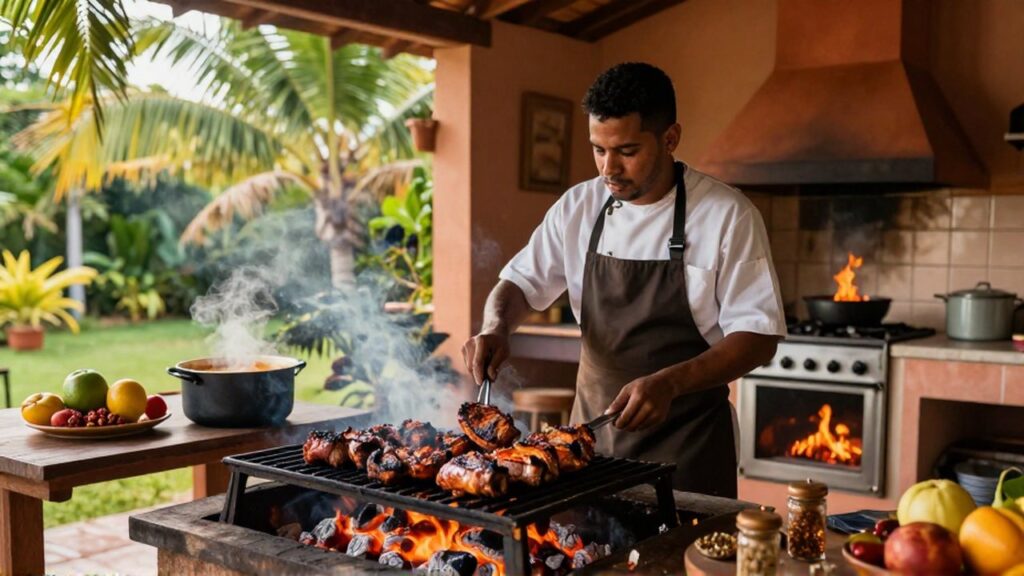
In the Dominican Republic, the transition from the kitchen to the backyard signifies a shift in both technique and atmosphere. Indoor cooking is the domain of daily sustenance, where stews and rice dishes are crafted with meticulous care. In contrast, outdoor grilling, often centered around the barbacoa or charcoal grill, is an art form used for gatherings, holidays, and communal feasts. Recognizing these differences in heat management, flavor profiles, and equipment is the first step toward achieving authentic Dominican results.
Heat management and environmental control
The most fundamental technical difference lies in how heat is applied and regulated. Indoor cooking typically relies on electricity or gas in a closed environment. This allows for extremely precise temperature control, making it ideal for delicate tasks like poaching eggs, making a sancocho, or frying plantains. The heat is contained, meaning the cook can adjust the flame or dial to maintain a constant temperature, ensuring even cooking without the interference of external elements.
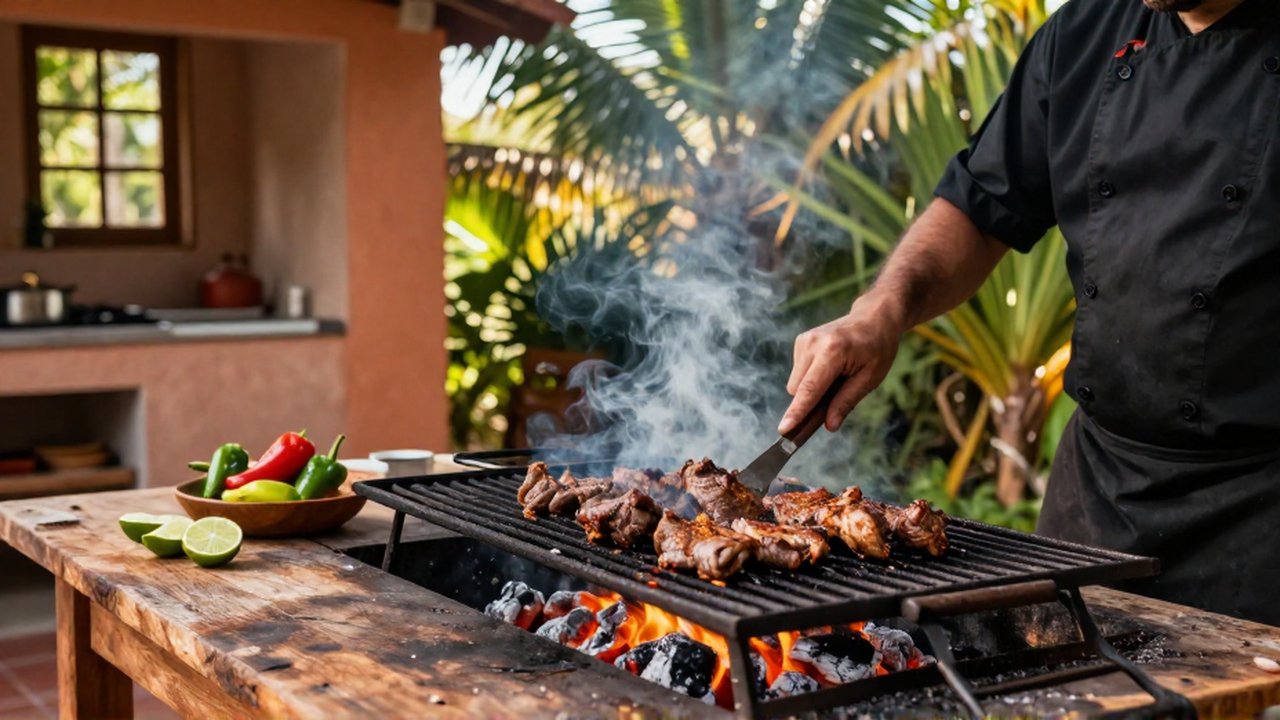
Dominican outdoor grilling, however, is an exercise in managing natural elements. Whether using charcoal (carbón) or wood, the heat source is open and dynamic. A pitmaster must master the relationship between the airflow, the type of wood, and the distance between the coals and the food. Unlike a stove, the temperature in a grill fluctuates based on wind, humidity, and the arrangement of the embers. This lack of total control is not a flaw; rather, it is what allows for the "kiss of the flame" and the ability to create different heat zones—one for searing meat and another for gentle roasting.
Flavor profiles and the role of smoke
The flavor characteristics achieved in these two settings are entirely distinct. Indoor cooking emphasizes the infusion of flavors through liquids and fats. Aromatics like garlic, onions, and bell peppers are sautéed in oil to create a base, and flavors are deepened through slow simmering in sauces. The goal is a harmonious, integrated taste where the essence of the ingredients is preserved and blended.
Outdoor grilling introduces a third dimension of flavor: smoke. In the Dominican tradition, the use of specific woods can impart an earthy, sweet, or intense aroma to meats like chuletas (pork chops) or whole chicken. The high, direct heat of the grill triggers the Maillard reaction more aggressively than a pan, creating a caramelized, slightly charred crust that contrasts with a juicy interior. This smoky profile is a signature of Dominican outdoor cuisine and is impossible to replicate inside a standard kitchen setting.
Essential tools and preparation techniques

The hardware required for each method dictates much of the preparation process. Indoor cooking utilizes a wide array of specialized tools such as heavy-bottomed pots, non-stick pans, and measuring instruments. Preparation is often about timing and the careful layering of ingredients during the cooking process.
| Feature | Indoor Cooking | Dominican Outdoor Grilling |
|---|---|---|
| Primary Heat Source | Gas, Electric, Induction | Charcoal, Wood, Embers |
| Main Flavor Agent | Oils, Broths, Aromatics | Smoke, Flame, Drippings |
| Core Equipment | Pots, Frying Pans, Ovens | Grills, Skewers, Long Tongs |
| Control Level | High Precision / Constant | Moderate Precision / Variable |
Outdoor grilling requires a different set of skill sets, including the ability to manage live coals and use long-handled tools to avoid burns. Preparation often involves heavier marinades or dry rubs that can withstand the intense heat without burning too quickly. Because the cooking happens over an open source, the chef must be prepared to move food constantly to prevent flare-ups caused by dripping fats, a technique less critical in a controlled indoor pan.
Social context and culinary purpose
Beyond the technicalities, the purpose of these two methods serves different cultural roles. Indoor cooking is often an intimate, daily ritual. It is the method used to prepare the staple rice and beans (la bandera) that nourish the family every day. It is a controlled, rhythmic process that happens within the private confines of the home.
Dominican outdoor grilling is inherently communal and celebratory. It is a public spectacle that draws people together. The act of lighting the charcoal often marks the beginning of a social event, where the cooking process is just as important as the eating. While indoor cooking provides comfort and consistency, outdoor grilling provides excitement and a sense of festivity, making it the centerpiece of Dominican leisure and hospitality.
Frequently asked questions
Can I replicate the taste of outdoor grilling in an indoor oven? While an oven can mimic the heat of a grill for roasting, it cannot provide the smoky flavor profile inherent to charcoal or wood. To get closer to the flavor, you can use liquid smoke or smoked paprika, but the texture and aroma will differ.
Why does meat taste different when grilled over charcoal? Charcoal produces smoke as it burns, and when fat from the meat drips onto the hot coals, it vaporizes, sending flavored smoke back up into the meat. This process adds a depth of flavor that indoor cooking methods cannot achieve.
Is indoor cooking safer for beginners? Generally, yes, because temperatures are more predictable and the heat source is contained. Outdoor grilling requires an understanding of fire safety, wind direction, and how to manage combustible materials like charcoal and wood.
Which method is better for long-cooking stews? Indoor cooking is far superior for stews and slow-cooked dishes. The ability to maintain a low, steady simmer in a covered pot ensures that ingredients become tender without drying out or being subjected to inconsistent heat.
Leave a Reply