
How long to steam different types of tropical fruits
Introduction
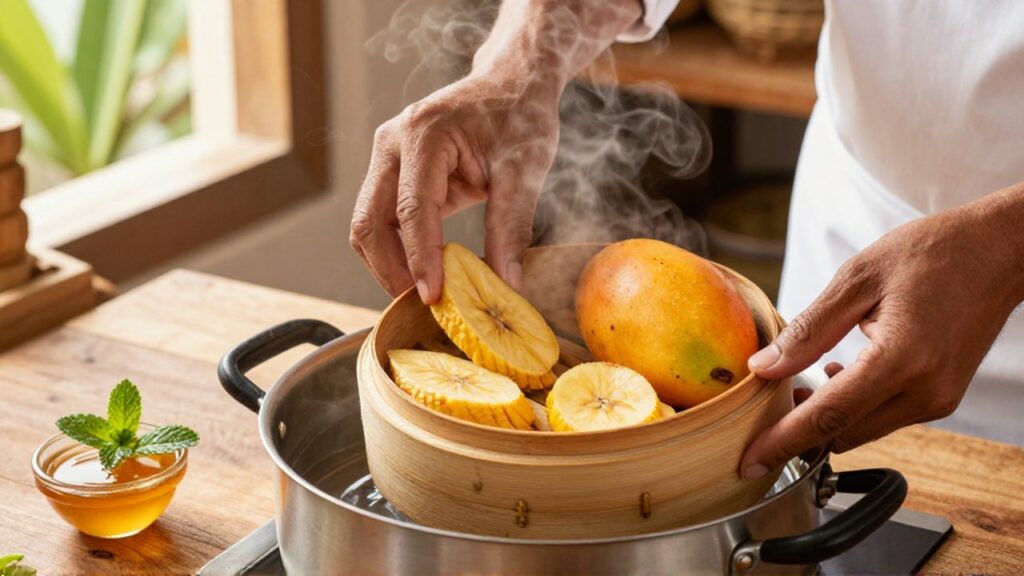
Steaming tropical fruits is a specialized culinary technique used to soften textures, intensify natural sugars, and prepare ingredients for desserts, purees, or side dishes. Unlike boiling, which can cause delicate fruits to lose their nutrients and flavor into the water, steaming uses gentle vapor to preserve the vibrant colors and essential vitamins inherent in tropical produce. This method is particularly effective when you want to transform firm, starchy fruits into creamy textures or lightly warm softer varieties without turning them into mush.
Understanding the specific timing for each fruit is crucial because tropical fruits vary significantly in density and water content. Applying the same steaming duration to a dense plantain as you would to a delicate papaya will result in either a hard, unpalatable center or a disintegrated mess. Mastering these timings allows cooks to achieve consistent results, whether they are preparing a traditional Caribbean dessert or creating a sophisticated fruit compote for modern gastronomy.
Benefits of steaming tropical produce
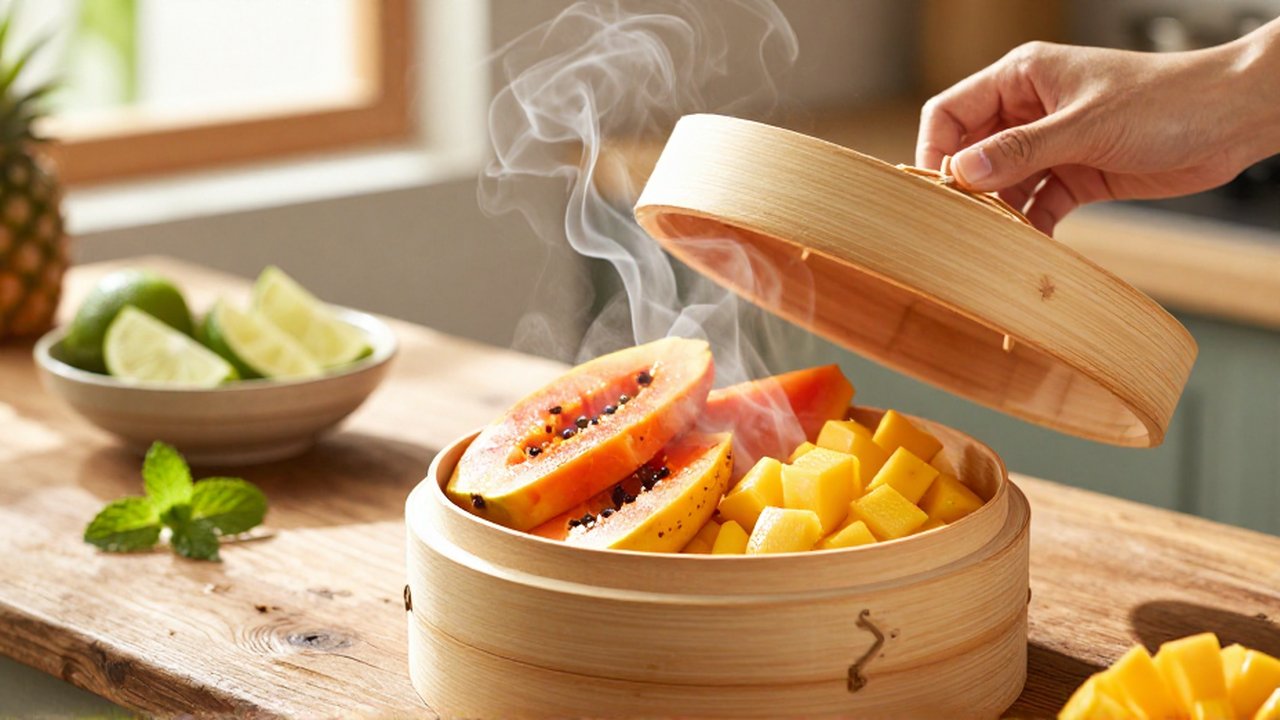
Steaming offers several advantages over other heat-application methods. First, it preserves the integrity of the fruit's cellular structure better than boiling, ensuring that the fruit retains its shape unless a puree is specifically desired. Second, because the fruit does not sit in water, the high concentrations of natural sugars and aromatic compounds stay within the fruit, resulting in a much more intense flavor profile.
Furthermore, steaming is a gentle way to manage the starch content in certain tropical varieties. For fruits that are high in starch, such as certain types of plantains or breadfruit, steaming activates the conversion of complex starches into simpler, sweeter sugars. This makes the fruit more digestible and improves the overall mouthfeel.
Steaming times for different tropical fruits
Because tropical fruits range from starchy tubers to high-moisture fleshy fruits, a one-size-fits-all approach does not work. The following guide provides general timeframes based on the fruit's typical density. Note that these times are estimates and may vary depending on the ripeness of the fruit and the heat intensity of your steamer.
| Fruit Type | Texture Goal | Estimated Steaming Time |
|---|---|---|
| Plantains (Green) | Soft and edible | 15–25 minutes |
| Plantains (Ripe/Yellow) | Soft and sweet | 5–10 minutes |
| Papaya | Tender/Softened | 5–8 minutes |
| Mango | Slightly softened | 3–5 minutes |
| Pineapple | Warm/Tender | 5–7 minutes |
| Breadfruit | Fully cooked/Soft | 25–40 minutes |
| Guava | For puree | 5–10 minutes |
Essential factors affecting steaming duration
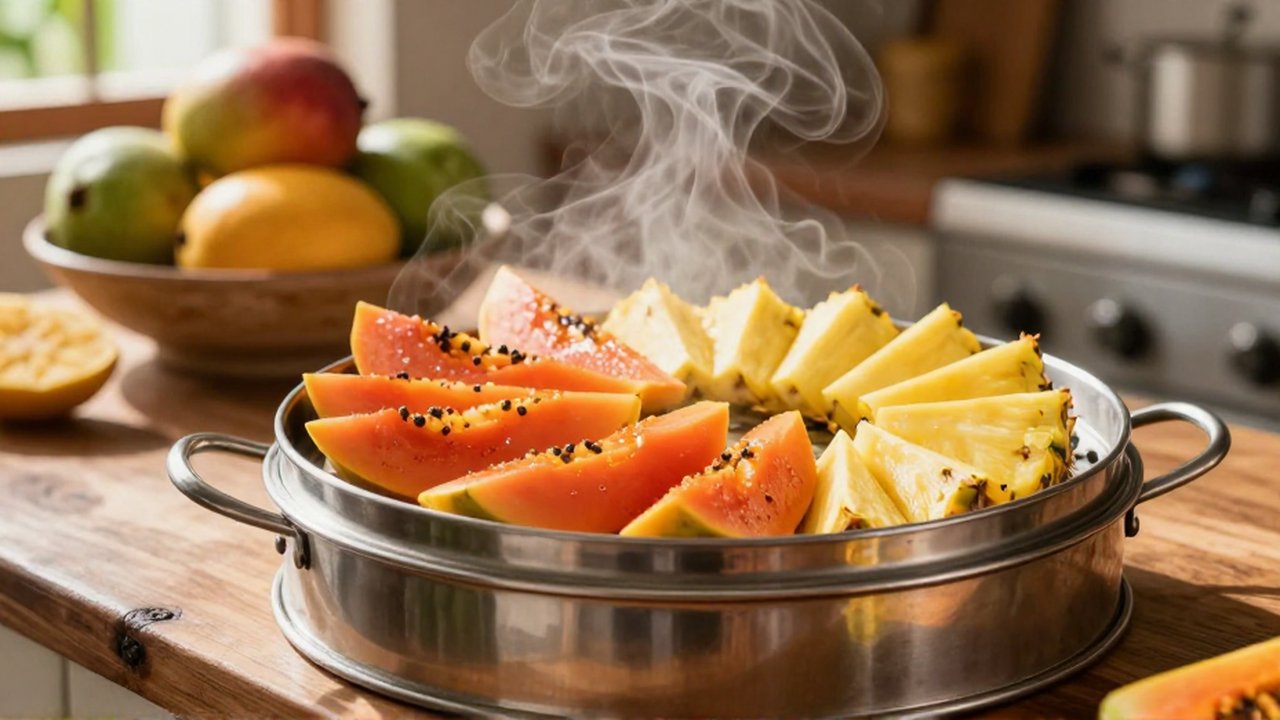
Several variables will influence how quickly your fruit reaches the desired consistency. The most significant factor is the ripeness of the fruit. A green plantain is extremely dense and requires significant time to break down its starch, whereas a very ripe plantain is already soft and requires only a few minutes to heat through and caramelize slightly.
The size and cut of the fruit also play a critical role. Steaming whole fruits takes considerably longer than steaming bite-sized chunks. If you are preparing a large quantity of fruit for a dessert, cutting them into uniform pieces will ensure they cook evenly. Uneven pieces lead to a situation where some parts are overcooked while others remain raw.
Finally, the density of the fruit cannot be ignored. Starchy tropical fruits like breadfruit or green plantains behave more like vegetables and require long, steady steaming. In contrast, fleshy fruits with high water content, such as mangoes or papayas, are much more sensitive to heat and can quickly lose their structure if oversteamed.
Common mistakes to avoid when steaming fruit
One of the most frequent errors is oversteaming, which leads to a loss of texture. Tropical fruits often contain high levels of pectin; once this pectin breaks down too much, the fruit loses its ability to hold its shape and becomes a liquid mass. Always check the fruit a few minutes before the recommended time by pressing it gently with a fork.
Another mistake is starting with cold water. For the most consistent results, ensure the water in your steamer is already at a simmer or boiling point before placing the fruit in the basket. This ensures the steaming process begins immediately and provides a steady flow of even heat.
Lastly, avoid crowding the steamer basket. If the fruit pieces are piled too deeply, the steam cannot circulate effectively around every surface. This results in uneven cooking, where the fruit at the bottom is mushy and the fruit at the top is still firm. Use a single layer or minimal overlapping for the best results.
Frequently asked questions
Can I steam frozen tropical fruit? Yes, you can steam frozen fruit, but you should increase the estimated steaming time by several minutes. It is best to let the fruit thaw slightly in the refrigerator first to ensure more even heat distribution.
How do I know when the fruit is perfectly steamed? The best indicator is the "fork test." Insert a fork into the thickest part of the fruit; it should slide in with minimal resistance, but the fruit should still hold its shape rather than collapsing into a liquid.
Should I peel the fruit before or after steaming? For many tropical fruits like plantains or breadfruit, it is easier to peel them after steaming when the skin naturally begins to separate from the flesh. For softer fruits like mango or papaya, peeling before steaming is often preferred to maintain control over the texture.
Is steaming better than boiling for flavor? In almost all cases, yes. Steaming prevents the fruit's sugars and aromatic oils from leaching into the water, resulting in a much more flavorful and nutrient-dense final product.
Leave a Reply