
How to achieve crispy skin when roasting chicken
Introduction
Achieving a perfectly golden, crackling skin on a roasted chicken is one of the most rewarding milestones in home cooking. While the meat provides the substance of the meal, the skin provides the essential texture and concentrated flavor that define a successful roast. Mastering this technique requires a balance of moisture control, heat management, and seasoning.
Understanding why skin becomes soggy rather than crisp is the first step toward culinary mastery. When moisture is trapped against the skin during the cooking process, it steams the flesh instead of frying it in its own rendered fat. By applying specific preparatory methods and temperature controls, you can ensure that the skin undergoes a transformation from soft to shatteringly crisp, elevating a simple chicken into a centerpiece worthy of any table.
The importance of surface moisture control
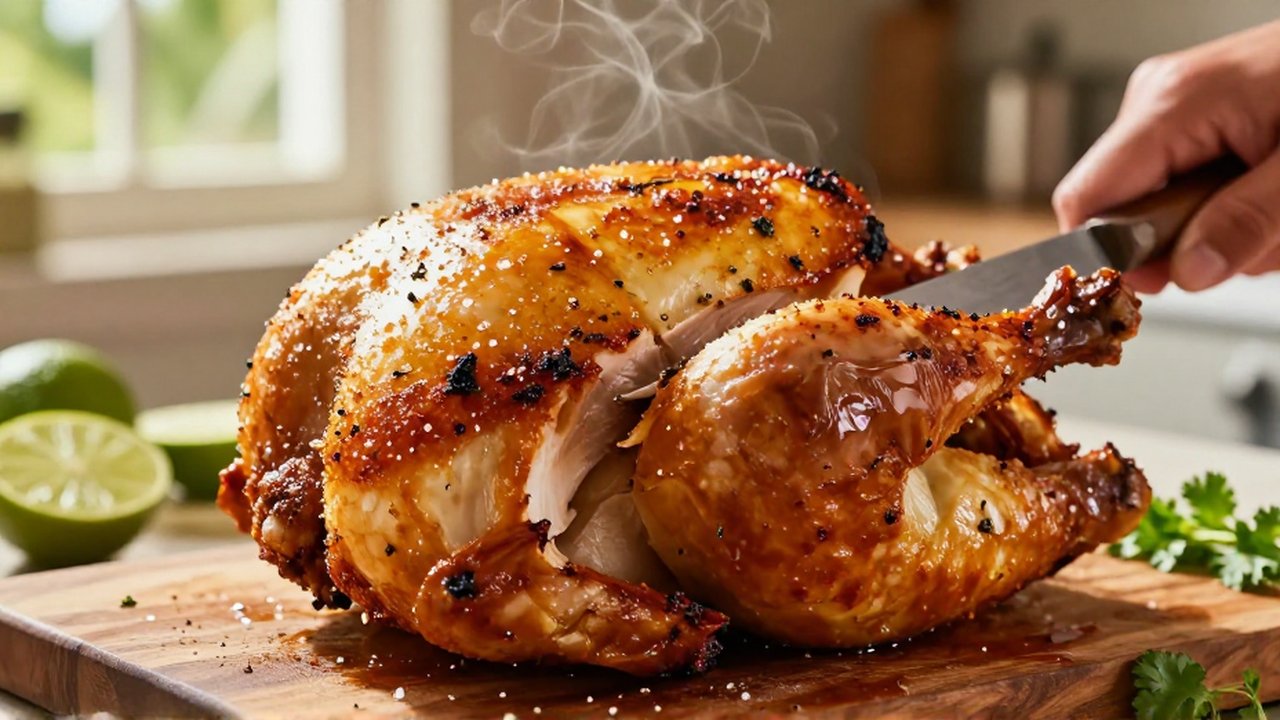
The primary enemy of crispy skin is water. If the surface of the chicken is damp when it enters the oven, the initial energy of the heat will be spent evaporating that moisture rather than browning the skin. This results in a rubbery texture that lacks the desired crunch.
To prevent this, it is highly recommended to pat the chicken completely dry with paper towels before seasoning. For those seeking professional results, an even more effective method is to leave the chicken uncovered in the refrigerator for several hours, or even overnight. This air-drying process allows the skin to dehydrate, making it much easier to crisp up once the heat is applied.
Preparing the skin with fats and seasonings
Once the surface is dry, you must introduce a medium to facilitate heat transfer. Fat acts as a conductor, helping to fry the skin in the oven. While many cooks reach for butter, oil often provides more consistent results for high-heat roasting due to its higher smoke point.
When applying fat, aim for the skin itself rather than the meat underneath. This ensures the fat stays in contact with the surface that needs to crisp. When seasoning, use salt generously. Salt does more than season; it helps draw out remaining microscopic moisture and assists in breaking down the proteins in the skin to create a more even texture. Avoid using heavy wet marinades or herb pastes that sit on top of the skin, as these introduce moisture that will inevitably cause steaming.
Optimal roasting temperatures and airflow
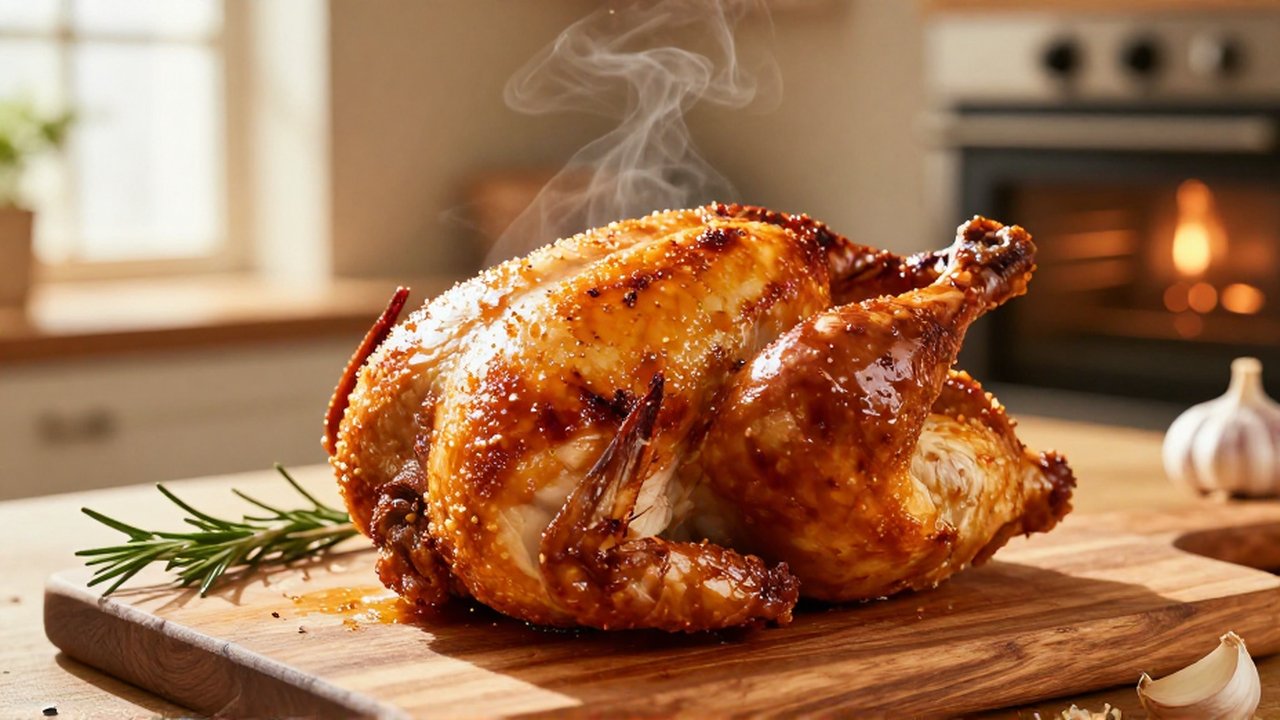
The temperature at which you roast the chicken plays a critical role in the final texture. A low and slow approach is excellent for tender meat, but it often results in limp skin. To achieve the best of both worlds, many chefs utilize a two-stage temperature method.
| Method | Temperature Strategy | Primary Benefit |
|---|---|---|
| Constant High Heat | High heat throughout the entire process | Faster cooking and maximum crispness |
| Two-Stage Roasting | Start low for tenderness, finish high for skin | Balanced meat juiciness and crispy skin |
| Spatchcocking | Removing the backbone to flatten the bird | Even cooking and maximum skin exposure |
Using a roasting rack is another vital decision. Placing the chicken on a rack allows hot air to circulate underneath the bird, preventing the bottom from sitting in its own juices. If the chicken sits in a pool of liquid, the underside will remain soft and pale regardless of how high the temperature is set.
Common mistakes to avoid
One of the most frequent errors is carving the chicken too soon after it leaves the oven. Resting the meat is essential for juiciness, but if you cover the chicken tightly with foil while it rests, you create a steam chamber that will immediately soften any crispy skin you worked hard to achieve. Instead, let the chicken rest uncovered.
Another mistake is overcrowding the pan. If there is not enough space between the chicken and the sides of the roasting pan, air circulation is restricted. Stagnant air and trapped steam are the fastest ways to ruin the skin's texture. Ensure the bird has breathing room to allow the heat to move freely around its entire surface.
Frequently asked questions
Should I use butter or oil for the skin? Oil generally has a higher smoke point, which is better for the high temperatures required to crisp skin. Butter contains water and milk solids that can burn before the skin is fully crisp, though it adds significant flavor.
Does spatchcocking help with skin crispness? Yes. By removing the backbone and flattening the chicken, you increase the surface area of the skin exposed to the heat and ensure the bird cooks more evenly, preventing parts of the skin from becoming soggy.
Can I use salt rubs to improve skin texture? Dry salt rubs are highly effective. Salt helps dehydrate the skin further and assists in the Maillard reaction, which is the chemical process responsible for the browning and flavor development.
How do I fix skin that is browning too fast but is still soft? If the skin is getting too dark but lacks crunch, you can tent the bird loosely with foil to prevent burning while continuing to cook, or increase the heat slightly at the very end to flash-fry the skin.
Leave a Reply