
How to cook authentic Dominican breakfast Moro de Guandules

Introduction
Moro de guandules is a cornerstone of Dominican culinary tradition, representing a soulful combination of rice and pigeon peas. While many associate "moro" dishes with lunch or dinner, serving it as partented part of a hearty breakfast is a common practice in Dominican households, providing the sustained energy needed for a long day of work. This dish is more than just a side; it is a complete, flavorful meal that celebrates the staple ingredients of the Caribbean.
Mastering this recipe allows you to bring the authentic flavors of the Dominican Republic into your own kitchen. The dish relies on a specific technique of sautéing aromatics and spices to create a fragrant base, known as a "sofrito," which infuses every grain of rice with depth. Whether you are looking to reconnect with your roots or simply want to explore new culinary horizons, learning to cook Moro de guandules is an essential step in understanding Caribbean gastronomy.
Essential ingredients for authentic flavor
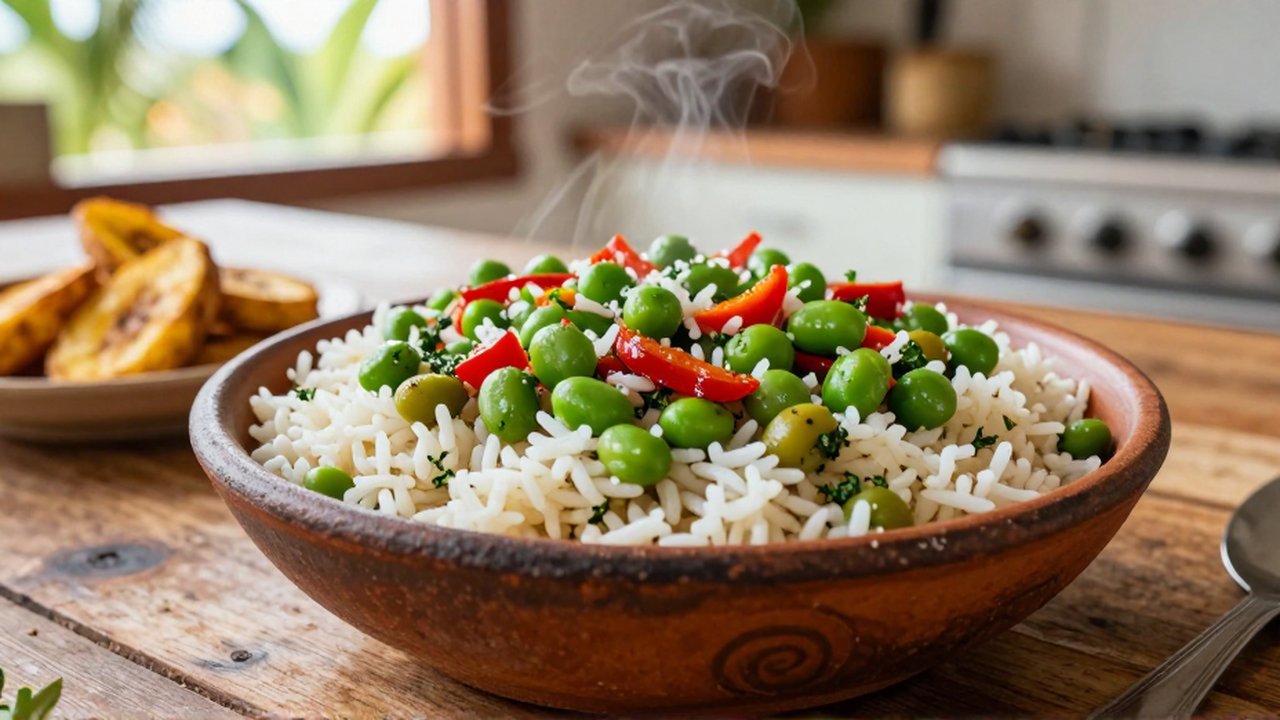
To achieve the true taste of a Dominican home, the quality and type of ingredients are paramount. While you can adapt the recipe based on what is available in your local market, certain components are non-negotiable for authenticity.
The star of the show is the guandules (pigeon peas). In many traditional kitchens, these are cooked from dried beans to enhance texture, but canned pigeon peas are a practical and widely accepted modern alternative. You will also need high-quality long-grain white rice, which ensures the grains remain separate and fluffy rather than mushy.
The flavor profile is built upon a foundation of aromatics. You must have garlic, onions, and bell peppers. To reach the next level of authenticity, incorporate ají gustoso (sweet Caribbean chili pepper) if available, or use a combination of bell pepper and a touch of habanero for a similar aromatic profile. Liquid gold in this recipe is provided by chicken or vegetable broth, and perhaps a touch of tomato paste for color and richness. Finally, olive oil or vegetable oil serves as the cooking medium, and salt and pepper are used to balance the savory notes.
Step by step cooking instructions
The secret to a perfect Moro de guandules lies in the order of operations and the management of heat. Follow these steps to ensure a delicious result.
First, prepare your pigeon peas. If using dried peas, soak them overnight and boil them until tender before starting the rice. If using canned peas, drain and rinse them thoroughly.
Second, create the flavor base. Heat oil in a heavy-bottomed pot. Add finely chopped onions, bell peppers, and garlic. Sauté these until they are soft and fragrant. If you are using tomato paste, add it now and cook for a minute to remove the raw metallic taste.
Third, toast the rice. Add the washed and drained rice to the pot with the vegetables. Stir the rice constantly for a few minutes so that every grain is coated in the oil and aromatics. This step is crucial as it prevents the rice from becoming sticky.
Fourth, add the liquid and peas. Pour in your broth (the ratio is typically two parts liquid to one part rice) and add the pigeon peas. Bring the mixture to a boil. Once boiling, taste the liquid; it should taste slightly over-salted, as the rice will absorb the salt during the cooking process.
Fifth, the simmering stage. Once the liquid has reduced to the level of the rice, reduce the heat to the lowest possible setting. Cover the pot with a tight-fitting lid. Let it cook undisturbed for approximately 20 to 25 minutes. Do not lift the lid prematurely, as the steam is essential for even cooking.
Finally, fluff the rice with a fork and serve.
Common mistakes to avoid

Many home cooks struggle with texture when making rice-based dishes. One frequent error is using too much liquid, which results in a "congrí" or mushy texture rather than distinct, tender grains. Always adhere to a strict liquid-to-rice ratio.
Another mistake is failing to sauté the rice properly. If you add the liquid immediately after the vegetables, the rice will not absorb the flavors of the sofrito as deeply. Additionally, avoid stirring the rice frequently once the lid is on. Constant stirring breaks the grains and releases starch, which leads to a gummy consistency.
Lastly, be mindful of the heat. If the heat is too high during the simmering stage, the bottom of the pot will burn before the top layer of rice is cooked. A true Dominican cook knows that patience and low heat are the keys to a perfect Moro.
Serving suggestions and pairings
While Moro de guandules can stand alone as a breakfast dish, particularly when accompanied by fried plantains (tostones) or sliced avocado, it is incredibly versatile.
For a traditional breakfast experience, serve it alongside:
- Fried eggs: The runny yolk acts as a natural sauce for the rice.
- Fried cheese: Salty, fried Dominican cheese provides a wonderful textural contrast.
- Avocado: Fresh, creamy slices balance the savory spices of the dish.
For a more substantial meal, it pairs perfectly with grilled chicken, fried fish, or even a simple stew.
Frequently asked questions
Can I use different types of beans instead of pigeon peas? While you can use black beans or kidney beans, the flavor profile will change significantly. To stay authentic to the "Moro de guandules" identity, pigeon peas are essential. Using other beans would technically make it a different type of "Moro."
How do I store leftovers? Store any leftover rice in an airtight container in the refrigerator. When reheating, add a small splash of water or broth and cover the dish to create steam, which helps restore the moisture lost during refrigeration.
Is this dish suitable for vegetarians? Yes, as long as you use vegetable broth instead of chicken broth. The dish is naturally plant-based if you use oil instead of animal fats.
Why is my rice always crunchy or undercooked? This usually happens because the heat was too high, causing the liquid to evaporate too quickly, or because the lid was not tight enough, allowing steam to escape. Ensure your heat is very low and your lid is secure.
Leave a Reply