
How to cook traditional Dominican Chupé de Pescado
Introduction
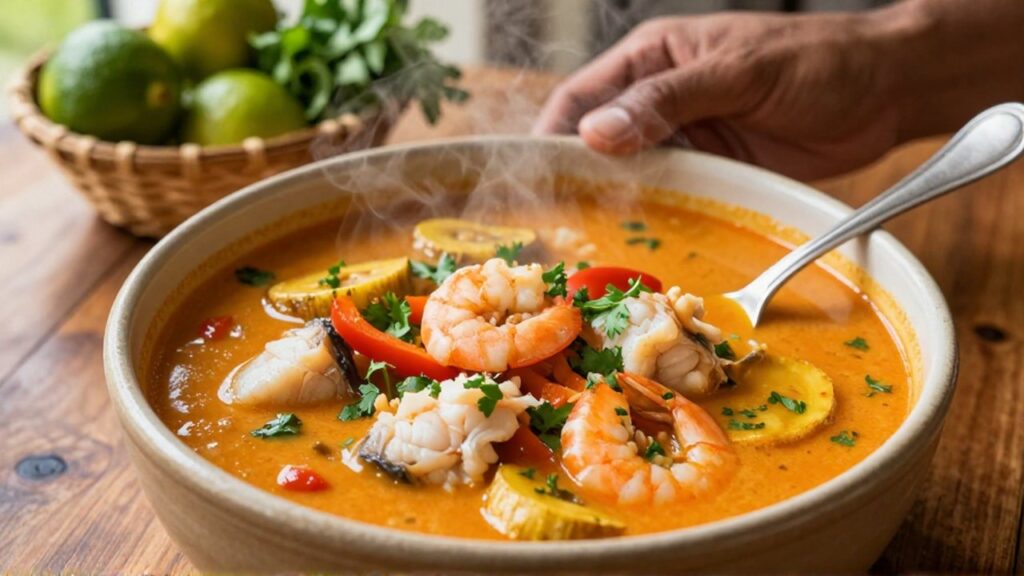
Chupé de Pescado is a cornerstone of Dominican coastal cuisine, serving as a soul-warming seafood stew that captures the essence of the Caribbean. This hearty dish is characterized by its rich, creamy base, infused with coconut milk and a savory blend of aromatic vegetables. It is more than just a meal; it is a celebration of the sea, providing a comforting texture and deep flavor profile that makes it a centerpiece for family gatherings and seaside celebrations.
Because it combines a variety of textures—from tender fish fillets to soft potatoes and bright vegetables—it is an ideal dish for Sunday lunches or special occasions when you want to impress guests with authentic flavors. Mastering this recipe allows you to bring the tropical warmth of the Dominican Republic directly to your kitchen, offering a nutritious and flavorful experience that highlights the freshest ingredients available.
Essential ingredients for authentic flavor
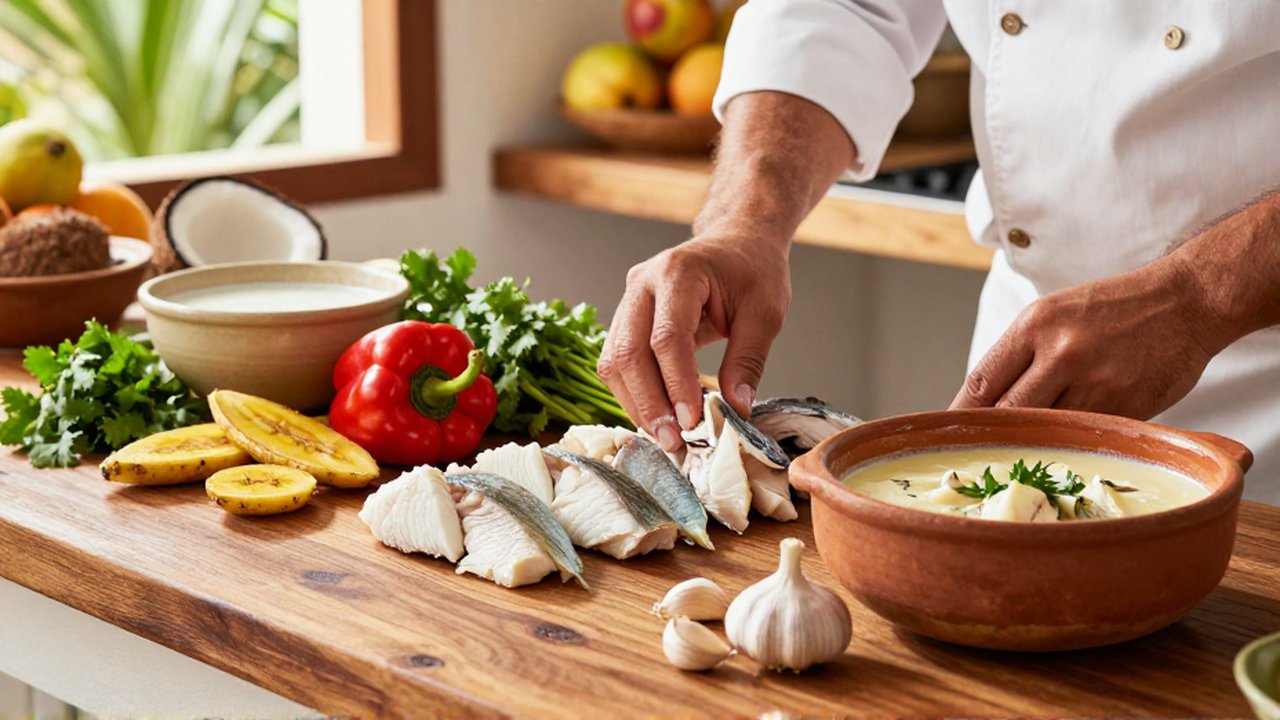
To achieve the genuine taste of a Dominican Chupé, you must focus on the quality and combination of your ingredients. The foundation of the dish relies on a balance of savory, creamy, and acidic notes.
The Seafood Components The heart of the recipe is the fish. Traditionally, firm-fleshed white fish such as snapper, grouper, or sea bass is used because these varieties hold their shape during the simmering process. For added depth, many cooks include shrimp or even pieces of lobster if available. The key is to use seafood that is fresh, ensuring the natural sweetness of the ocean shines through the sauce.
The Aromatics and Vegetables A traditional "sofrito" concept is applied here. You will need finely diced onions, bell peppers (red and green), garlic, and cilantro. These aromatics provide the aromatic backbone. To give the stew substance, potatoes and yuca (cassava) are essential. These starchy vegetables absorb the broth and contribute to the thickening of the sauce.
The Liquid Base Coconut milk is the non-negotiable element of an authentic Chupé. It provides a silky mouthfeel and a subtle tropical sweetness that balances the acidity of tomatoes. Most recipes also incorporate a light fish stock or water to adjust the consistency.
Step by step cooking process
Cooking Chupé de Pescado requires patience to ensure the vegetables are tender and the seafood is perfectly cooked without becoming rubbery.
- Prepare the base: Start by sautéing your onions, garlic, and bell peppers in a large pot with a small amount of oil. Once the vegetables are fragrant and soft, add tomato paste or crushed tomatoes. This creates the concentrated flavor base.
- Simmer the vegetables: Add your cubed potatoes, yuca, and any other hardy vegetables to the pot. Pour in the coconut milk and enough fish stock to cover the vegetables. Season with salt, pepper, and a touch of oregano. Allow this mixture to simmer on medium heat until the vegetables are nearly tender.
- Incorporate the seafood: Once the vegetables are soft, gently nestle your fish chunks and shrimp into the liquid. It is crucial not to overstir at this stage to prevent the fish from breaking into small pieces.
- Final infusion: Let the stew simmer for a few more minutes until the seafood is cooked through. In the final minute, stir in freshly chopped cilantro to provide a burst of brightness.
Tips for a perfect seafood stew
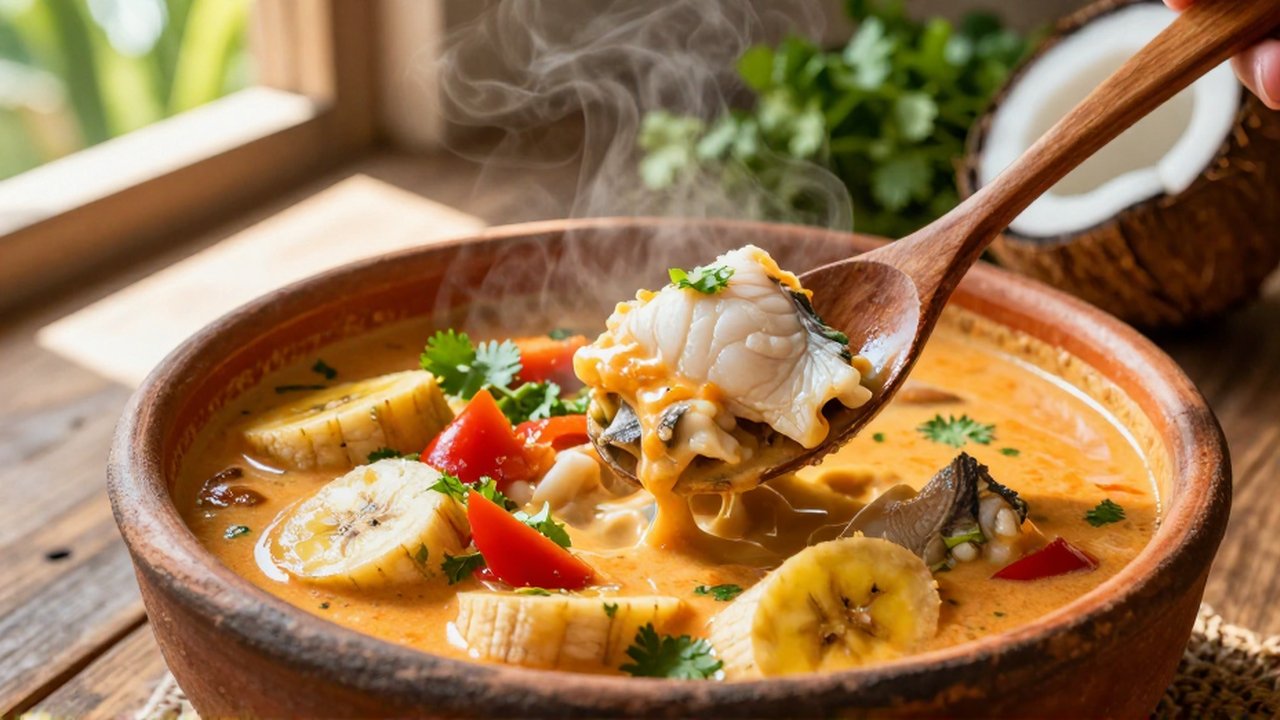
Achieving a professional result in your home kitchen depends on a few technical nuances.
- Texture control: Cut your vegetables into uniform sizes. If the yuca pieces are much larger than the potatoes, the potatoes might turn to mush before the yuca is ready.
- Avoid overcooking: Fish cooks much faster than root vegetables. Always wait until the starch is almost done before adding the seafood to the pot.
- Flavor balancing: If the stew feels too heavy due to the coconut milk, a small squeeze of fresh lime juice just before serving can cut through the richness and brighten the entire dish.
Common mistakes to avoid
One frequent error is using fish that is too delicate, such as tilapia or certain types of salmon, which may disintegrate into the broth, resulting in a grainy texture rather than distinct pieces of seafood. Another mistake is skipping the sautéing process of the aromatics; simply boiling everything together will result in a "flat" flavor that lacks the depth of a true Chupé. Finally, be cautious with the amount of salt added early on; as the coconut milk reduces, the saltiness will concentrate.
Frequently asked questions
Can I use frozen seafood for this recipe? Yes, frozen seafood can be used, but it is vital to thaw it completely and pat it dry before adding it to the pot. This prevents excess water from thinning out your flavorful coconut sauce.
What can I serve with Chupé de Pescado? To maintain the traditional experience, serve the stew alongside white rice (Arroz Blanco) to soak up the sauce. A side of fried plantains (tostones) also complements the creamy texture beautifully.
How do I store leftovers? Store any remaining stew in an airtight container in the refrigerator. Because of the coconut milk and seafood, it is best consumed within two days. When reheating, do so gently on low heat to avoid breaking the fish.
Leave a Reply