
How to grill traditional Dominican sancocho on a barbecue
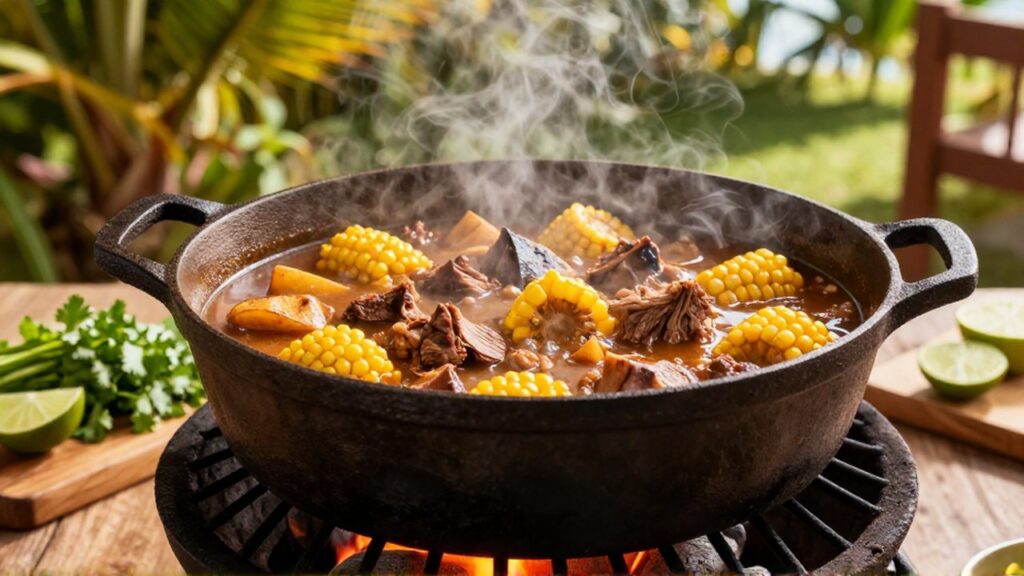
Introduction
Sancocho is the quintessential Dominican stew, a hearty and soul-warming dish that celebrates the island's rich agricultural heritage. Traditionally prepared in large stockpots over a kitchen stove, this thick stew features a variety of meats and starchy tubers known as víveres. While usually a slow-simmered indoor meal, adapting the preparation to a barbecue provides a unique outdoor experience that elevates the flavor profile through controlled smoke and high-heat searing.
Grilling your sancocho components allows you to introduce a charred, smoky depth that is impossible to achieve with standard boiling methods. This technique is particularly appropriate for family gatherings, outdoor festivities, or any occasion where you want to combine the smoky essence of a barbecue with the comforting, complex flavors of Dominican tradition. By using the grill effectively, you transform a standard stew into a rustic, flame-kissed culinary event.
Essential ingredients for Dominican sancocho
To achieve the authentic taste of a Dominican sancocho, you must select a diverse array of ingredients that provide both texture and flavor. The soul of the dish lies in the variety of meats and the specific selection of tropical tubers.
The meat component typically includes a mix of beef, pork, and chicken. For the best results, use cuts with some fat or bone, as these contribute to the richness of the broth. In many traditional recipes, smoked pork or sausage is added to provide a foundational savory note.
The víveres, or starchy vegetables, are what make the stew thick and satisfying. A standard selection includes:
- Plantains: Green plantains are essential for the base texture.
- Yuca (Cassava): Provides a creamy consistency when cooked down.
- Yautía (Taro): Adds a subtle earthiness.
- Batata (Sweet Potato): Offers a hint of sweetness to balance the savory meats.
- Pumpkin (Auyama): This is crucial for giving the stew its characteristic golden color and thickening the liquid.
Aromatics such as garlic, onions, bell peppers, and cilantro, along with a touch of oregano and culantro (recao), are indispensable for the flavor profile.
Preparing the components on the grill
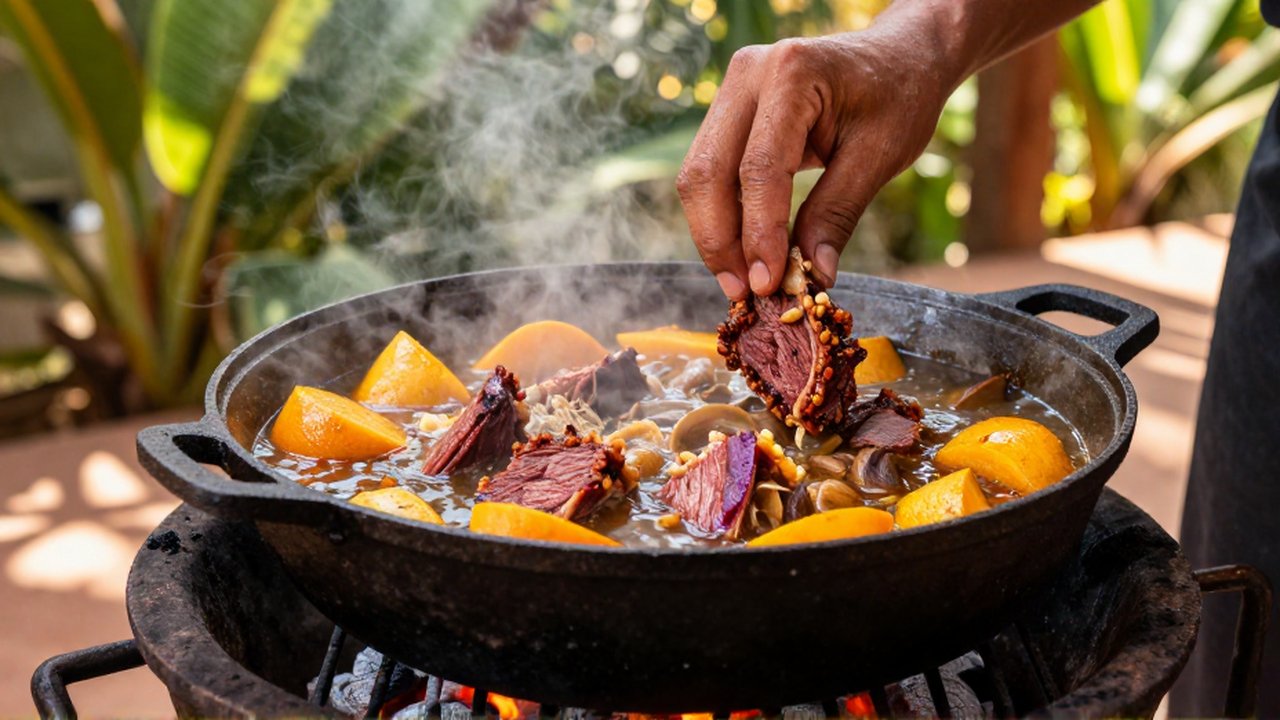
Grilling sancocho is not about cooking the entire stew directly over the flames in a liquid state; rather, it is a two-stage process where the grill is used to build flavor before the final simmer. The most effective method involves searing the meats and charring some of the vegetables to infuse the eventual broth with smokiness.
First, season your meats generously with salt, pepper, garlic, and oregano. Place the meat cuts—such as pork ribs, beef chunks, and chicken thighs—directly over medium-high heat on the barbecue. You are looking for a deep, caramelized crust on all sides. This Maillard reaction is what translates into a richer broth later on. Once seared, remove the meat and set it aside.
Second, you can lightly char the aromatics and certain vegetables. Slicing onions, bell peppers, and even whole pieces of plantain or yautía to pass through the grill grates adds a layer of complexity. This "pre-grilling" step ensures that the smoky essence is integrated into the very fibers of the ingredients.
Assembly and simmering process
Once the components have been kissed by the fire, the transition to a stew begins. You will need a heavy-duty pot, such as a cast-iron Dutch oven, which can be placed either on a stable part of the grill (away from direct flames) or moved to a stove to finish the cooking.
- Create the base: Use the rendered fats from the grilled meat in your pot. Sauté your grilled aromatics (garlic, onions, peppers) in this fat to release their fragrance.
- Deglaze: If you are using the grill, you can add a small amount of liquid to the pan to scrape up the flavorful browned bits left from the meat.
- Combine: Add the grilled meats and the prepared víveres to the pot.
- Simmer: Cover the ingredients with water or a light stock. Bring the mixture to a boil, then reduce the heat to a low simmer.
- Thicken: As the vegetables cook, some will break down, naturally thickening the broth. If you prefer a thicker sancocho, you can mash a few pieces of pumpkin or yuca against the side of the pot and stir them back in.
Tips for achieving the perfect texture
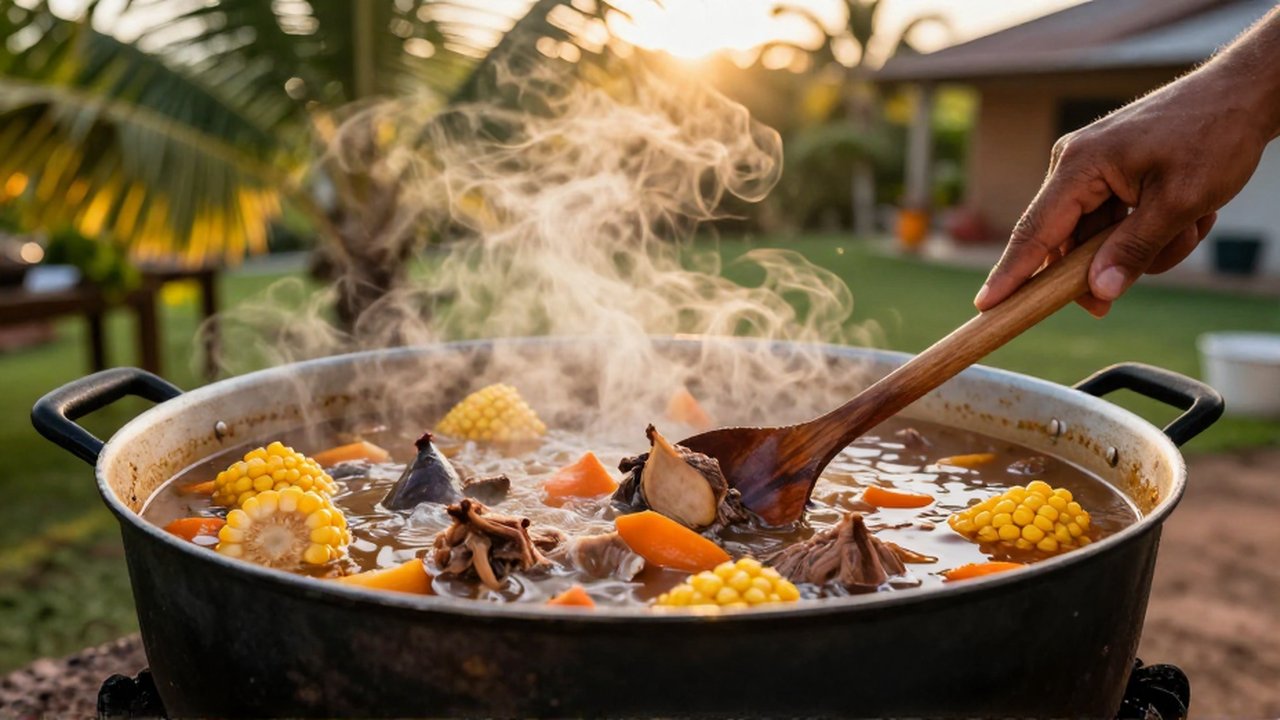
The balance between a liquid soup and a thick stew is the hallmark of a well-made sancocho. To master this, pay attention to the timing of your ingredients. Harder tubers like yuca and plantain take longer to soften than softer vegetables like pumpkin.
If you find the stew is too thin, allow it to simmer uncovered for a longer period to reduce the liquid, or increase the amount of pumpkin. Conversely, if it becomes too thick, simply add a little more water or stock. Always ensure that the meat is tender enough to fall apart with a spoon, which is the ultimate sign of a successful cook.
Common mistakes to avoid
One frequent error is overcrowding the grill during the searing phase. If too much meat is placed on the grates at once, the temperature will drop, causing the meat to steam in its own juices rather than sear. This prevents the development of the smoky crust necessary for the flavor.
Another mistake is adding all the vegetables at once. To maintain a variety of textures, add the harder roots first and the softer vegetables like pumpkin later in the simmering process. Finally, avoid using pre-packaged seasonings that lack the freshness of crushed garlic and fresh herbs, as these are vital to the authentic Dominican profile.
Frequently asked questions
Can I make this sancocho entirely on the grill? Yes, provided you have a heavy pot like a Dutch oven and enough indirect heat. You can place the pot on a warming rack or a section of the grill where there are no active coals to maintain a gentle simmer.
What is the best substitute if I cannot find yautía? If yautía is unavailable, you can use additional taro or even increase the amount of yuca. However, note that the texture and earthiness may vary slightly.
Do I need to peel the vegetables before grilling? For the searing stage, it is best to peel the smoother vegetables like yuca and sweet potato to prevent skin from charring excessively. For aromatics like onions or bell peppers, leaving the skin on during a quick char can add extra smokiness before they are removed or blended into the base.
Leave a Reply