
How to store homemade Dominican dessert syrups safely
Introduction
Homemade Dominican dessert syrups, such as those made from cinnamon, cloves, or tropical fruits like guava and passion fruit, are essential components of traditional sweets. These syrups add moisture, flavor, and a beautiful sheen to desserts like habichuelas con dulce or various soaked cakes. Because many of these syrups contain high concentrations of sugar and natural fruit juices, knowing how to preserve them is vital to maintaining their quality and preventing spoilage.
Proper storage ensures that your hard work in the kitchen remains safe for consumption and retains its vibrant flavor profile. Without correct handling, homemade syrups can undergo fermentation, develop mold, or lose their aromatic intensity. Understanding the relationship between temperature, container types, and ingredient acidity will help you extend the shelf life of your creations while ensuring they remain a delicious addition to your Dominican treats.
Essential containers for syrup storage

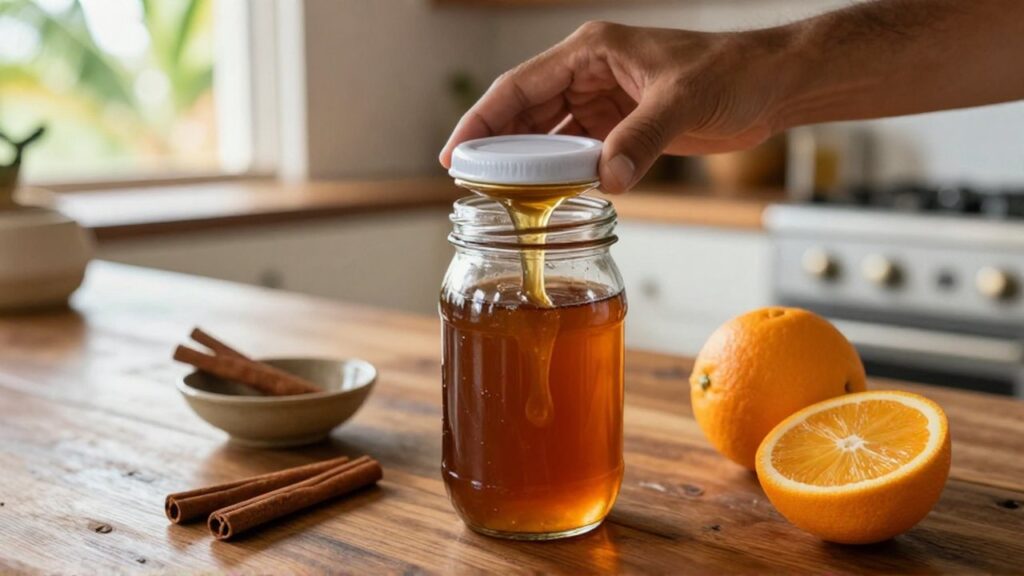
The choice of container plays a decisive role in how long your syrup stays fresh. Since many Dominican syrups are infused with spices or citrus, the material of the vessel can affect the taste over time. Glass is widely considered the gold standard for storing homemade syrups. Glass is non-porous, meaning it will not absorb flavors from previous batches or leach chemicals into your sweet sauce.
When selecting a container, always ensure it has an airtight seal. A lid with a rubber gasket or a screw-top mechanism is ideal for preventing oxygen from entering the bottle. Air exposure is one of the primary causes of oxidation, which can dull the bright color of fruit-based syrups and alter the delicate scent of cinnamon-infused blends. If you use plastic, ensure it is BPA-free and specifically designed for food storage, though glass remains the most reliable option for long-term preservation.
Temperature control and refrigeration methods
Temperature is the most critical factor in preventing microbial growth in sugar-based liquids. While high concentrations of sugar act as a natural preservative, the addition of water or fruit juices lowers the sugar density, making the syrup more susceptible to spoilage. For most homemade Dominican syrups, refrigeration is a necessity rather than an option.
Storing your syrups in the refrigerator at stable, cool temperatures helps slow down the metabolic processes of any potential yeast or bacteria. Avoid storing syrups in the pantry or on the countertop unless the recipe is strictly a simple syrup (water and sugar only) and you intend to use it within a very short timeframe. If you have made a large batch of fruit syrup, such as a guava reduction, keeping it in the coldest part of the refrigerator will maximize its longevity.
Signs of spoilage and safety risks

It is imperative to perform a sensory check before using any stored syrup. Even with proper refrigeration, homemade goods can eventually turn. You should look for specific indicators that the syrup is no longer safe to consume. These signs include:
- Visible Mold: Any fuzzy growth, whether white, green, or black, on the surface or the underside of the lid.
- Changes in Aroma: A sour, fermented, or "boozy" smell, which indicates that yeast has begun consuming the sugars.
- Texture Alterations: Excessive bubbling, fizzing, or a sudden change in viscosity that suggests fermentation is occurring.
- Cloudiness: While some fruit syrups are naturally cloudy, a sudden increase in turbidity in a previously clear syrup can be a warning sign.
If any of these signs are present, the entire batch should be discarded. Attempting to "save" a syrup by boiling it after mold has appeared is unsafe, as mold spores and certain toxins can survive high temperatures.
Tips for extending shelf life
To get the most out of your homemade syrups, follow these practical guidelines during the preparation and storage process:
| Action | Benefit |
|---|---|
| Sterilize Containers | Boiling your glass bottles before filling them kills lingering bacteria. |
| Minimize Air Gap | Filling the container nearly to the top reduces the amount of oxygen available for spoilage. |
| Use Clean Utensils | Never double-dip a spoon used in another dish into your syrup container. |
| Cool Before Sealing | Allow the syrup to reach room temperature before putting the lid on and placing it in the fridge to prevent condensation. |
Condensation inside a jar is a common issue. If water droplets form inside the container, they can dilute the sugar concentration at the surface, creating a "water pocket" where mold is more likely to grow. This is why cooling the syrup completely before sealing is a vital step.
Frequently asked questions
How long can a fruit-based syrup last in the fridge? Most homemade fruit syrups will stay fresh for approximately one to two weeks in a sealed glass container in the refrigerator. Always monitor them closely after the first week.
Can I freeze Dominican dessert syrups? Yes, most syrups can be frozen for several months. However, be aware that the texture may change slightly upon thawing, and fruit-based syrups might separate, requiring a gentle stir before use.
Does adding citrus juice change storage requirements? Yes. While the acidity in citrus can help preservation, the addition of juice introduces more moisture and organic matter, which generally requires stricter refrigeration and shorter storage times than plain sugar syrups.
Why did my syrup develop bubbles in the jar? Bubbles are a strong indication of fermentation. This happens when yeast enters the syrup and begins to consume the sugar, producing carbon dioxide. This syrup should be discarded immediately.
Leave a Reply