
Steps to cook thick Dominican molasses syrup at home
Introduction
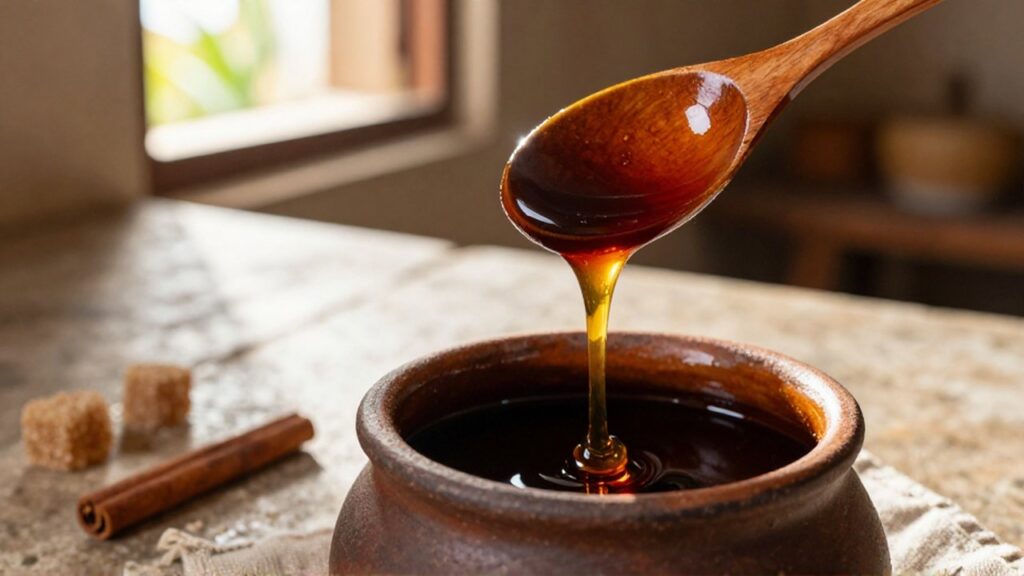
Dominican molasses syrup, often referred to as a concentrated cane syrup, is a cornerstone of Caribbean confectionery. This deep, dark, and intensely flavorful liquid is more than just a sweetener; it serves as a vital ingredient in traditional desserts, providing a complex flavor profile that balances sweetness with earthy, toasted undertones. It is used to glaze pastries, sweeten traditional doughs, or as a standalone drizzle for tropical fruits and local cheeses.
Making this syrup at home allows you to control the quality of the ingredients and the final texture. While commercial versions are available, nothing compares to the aroma of sugar or cane juice reducing slowly on a stovetop. Mastering this process is essential for anyone looking to recreate authentic Dominican flavors, as the thickness and color of the syrup define the success of the recipes it accompanies.
Essential ingredients and equipment for homemade syrup
To achieve a professional-grade thick syrup, you must start with high-quality components. The primary ingredient is usually raw cane sugar or unrefined cane juice. If you are using granulated sugar, you will need to add a precise amount of water to facilitate the melting and reduction process. For those seeking the most traditional flavor, using dark brown sugar or organic cane sugar provides the necessary mineral depth.
In addition to the sweetener, a small amount of citrus juice, such as lime or lemon, can help prevent the sugar from crystallizing during the long simmering process. The equipment required is relatively simple but must be chosen carefully. A heavy-bottomed saucepan is non-negotiable; thin pots create hot spots that can easily burn the delicate sugars. A wooden spoon or a high-heat silicone spatula is ideal for stirring, and a glass jar will be necessary for storage once the syrup has cooled.
Step by step cooking process for thick molasses syrup

The transition from liquid sugar to a thick, viscous syrup requires patience and constant monitoring of temperature and consistency. Follow these steps to ensure a smooth result.
First, combine your sugar and water in the heavy-bottomed saucepan. The ratio should typically be such that the sugar is just barely covered by water. Place the pan over medium heat and stir gently until the granules have completely dissolved. Once the mixture reaches a boil, stop stirring frequently. Excessive stirring during the boiling phase can trigger crystallization, turning your syrup into a grainy mess.
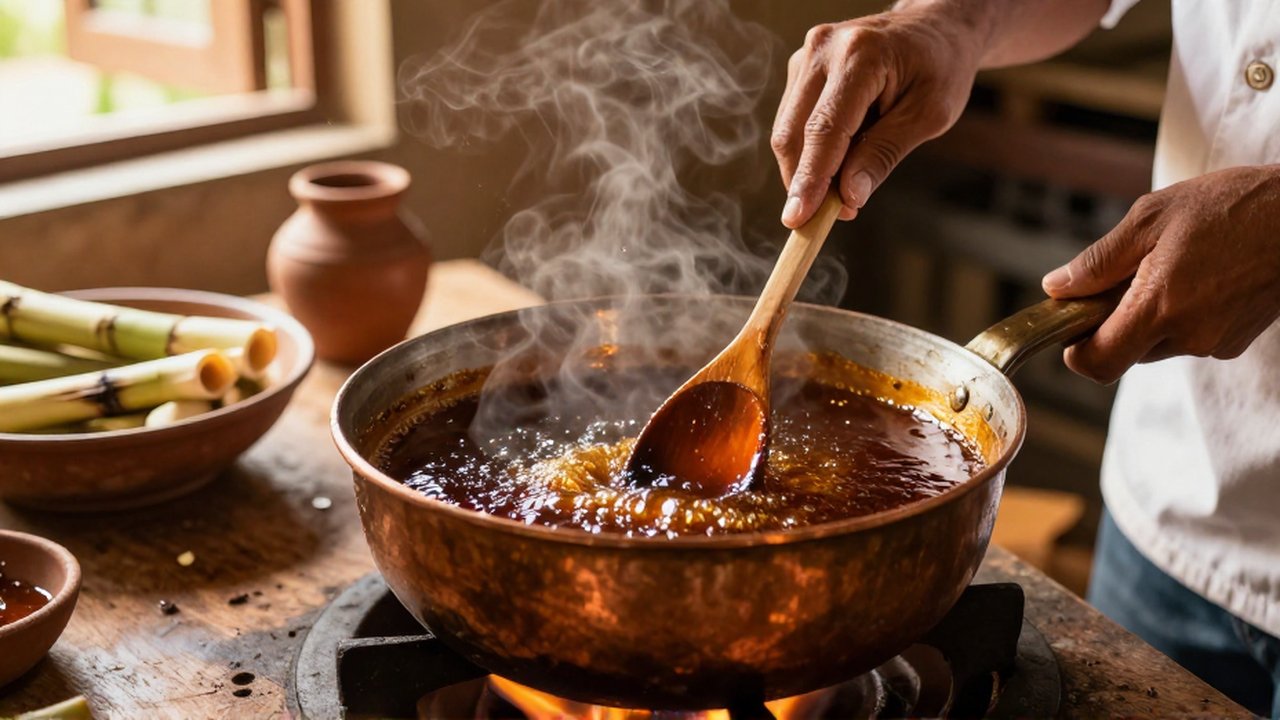
Second, reduce the heat to a low simmer. This is the most critical stage, where the water evaporates and the sugar concentration increases. You will notice the color shifting from a pale amber to a deep, dark mahogany. As the liquid thickens, the bubbles will change from small and watery to larger, slower-moving, and more viscous.
Third, perform the cold water test to determine if the thickness is correct. Drop a small amount of the hot syrup into a bowl of ice-cold water. If it stays in a soft, cohesive ball that can be shaped with your fingers, it has reached the desired thickness. If it dissolves, it needs more time. If it becomes hard like candy, it has been overcooked.
Critical factors for achieving the perfect consistency
The primary variable in making molasses syrup is the reduction time. Because you are essentially evaporating water, the thickness is a direct result of how long the mixture stays on the heat. A light syrup is useful for beverages, but a thick syrup—the kind used in Dominican baking—requires a much longer reduction period.
Temperature control is equally vital. If the heat is too high, the sugar will burn on the bottom of the pan before the rest of the liquid has thickened, resulting in a bitter taste. If the heat is too low, the process will take an excessive amount of time, potentially leading to an uneven texture. Maintaining a steady, gentle simmer is the safest way to achieve a uniform consistency.
Common mistakes to avoid during production
One of the most frequent errors is the premature cessation of the cooking process. It is important to remember that molasses syrup thickens significantly as it cools. If you stop cooking once the syrup looks "thick" in the hot pan, it will likely turn into a solid block of sugar once it reaches room temperature. Always aim for a consistency that is slightly thinner than your final desired result.
Another mistake is neglecting the "cleaning" of the sides of the pot. As the syrup boils, sugar crystals often splash onto the sides of the saucepan. These crystals can fall back into the syrup and cause it to crystallize. To prevent this, you can use a pastry brush dipped in warm water to wash down the sides of the pan during the simmering process.
Storage and usage recommendations
Once the syrup has reached the correct stage, remove it from the heat immediately. Pour it into a clean, sterilized glass jar. Allow it to cool completely at room temperature before sealing the lid. Store the syrup in a cool, dark place or in the refrigerator to extend its shelf life and prevent any fermentation.
This thick syrup is incredibly versatile. In Dominican cuisine, it can be used to soak sponges for cakes, create a base for fruit compotes, or serve as a dipping sauce for salty snacks. It also works beautifully as a topping for vanilla ice cream or thick yogurt, adding a layer of sophisticated sweetness to simple dishes.
Frequently asked questions
How can I fix a syrup that has crystallized? If your syrup becomes grainy, you can attempt to fix it by adding a small amount of water and reheating it very slowly until the crystals dissolve, though the texture may never be perfectly smooth again.
Can I use white sugar instead of cane sugar? You can use white sugar, but the flavor will be much lighter and less complex. To mimic the molasses flavor, you may need to add a small amount of vanilla extract or a tiny pinch of salt.
Why did my syrup turn out too hard? This happens when the water content is reduced too much, moving past the syrup stage and into the "hard crack" stage of candy making. To prevent this, use the cold water test frequently.
How long does homemade molasses syrup last? When stored in an airtight container in the refrigerator, the syrup can last for several months due to its high sugar concentration, which acts as a natural preservative.
Leave a Reply