
Steps to prepare Dominican mango con crema
Introduction
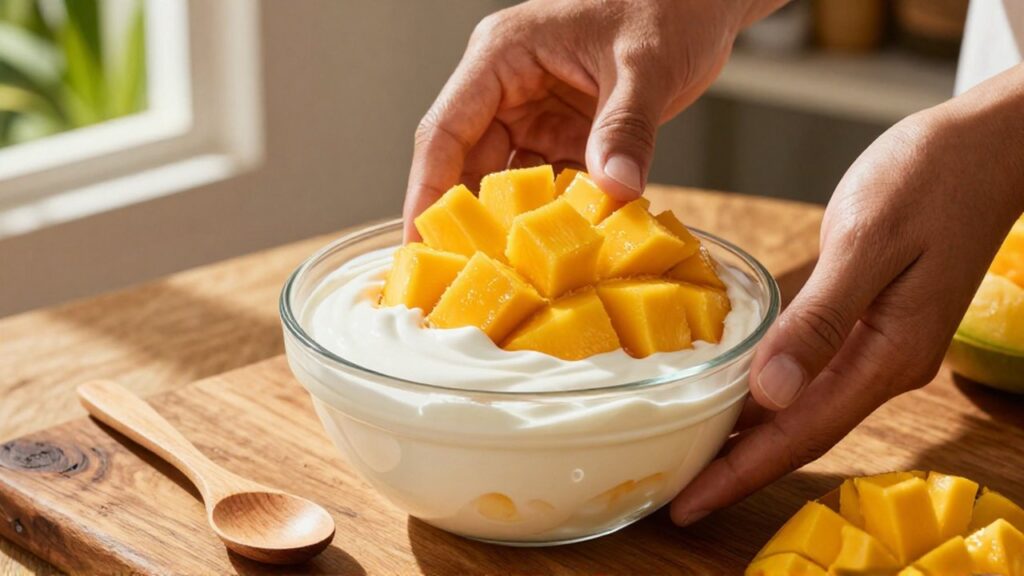
Mango con crema is a beloved street food and dessert staple in the Dominican Republic, cherished for its refreshing simplicity and vibrant tropical flavors. This treat combines the natural sweetness and acidity of ripe mangoes with the smooth, velvet texture of sweetened condensed milk. It is a quintessential snack enjoyed during hot afternoons, at beachside kiosks, or as a quick, comforting dessert at home.
The magic of this dish lies in the contrast between the fruit and the cream. Because the Dominican Republic produces an abundance of high-quality mangoes throughout much of the year, this recipe is both accessible and deeply rooted in the local culinary identity. Mastering this preparation allows you to bring a piece of Caribbean sunshine to your kitchen with minimal effort and maximum enjoyment.
Essential ingredients for the perfect mango con crema
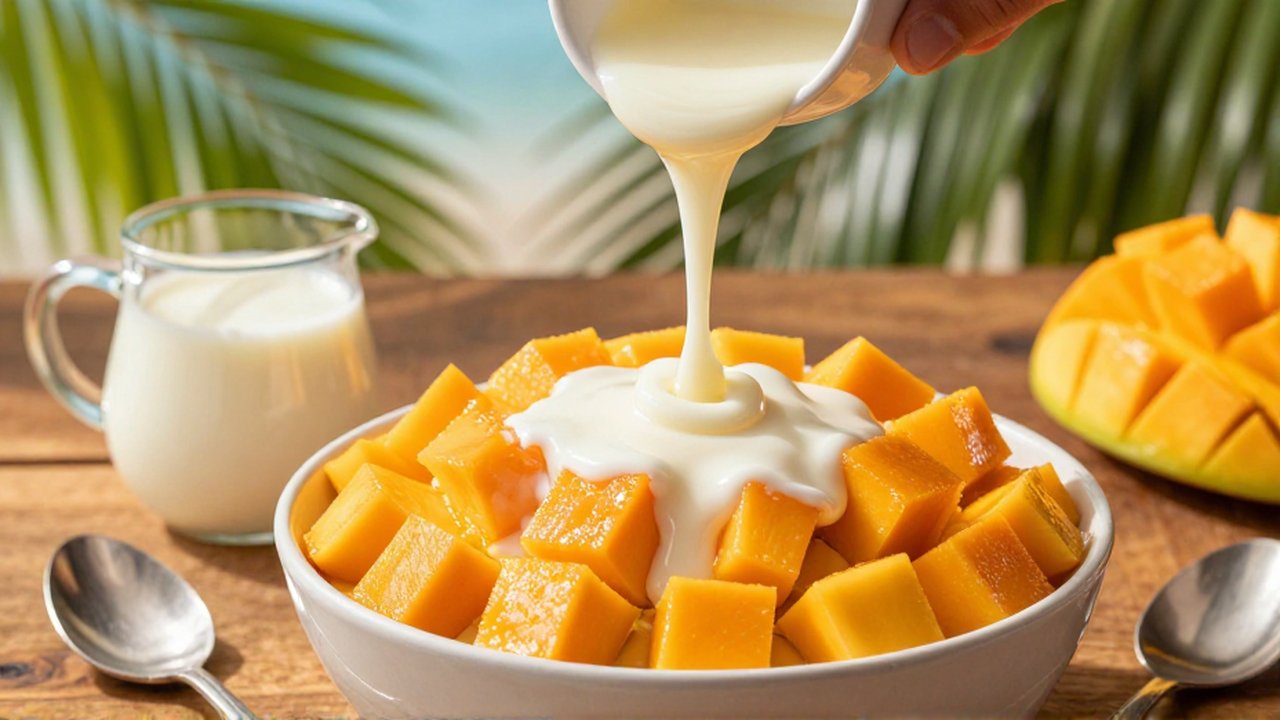
To achieve the authentic taste of the Dominican Republic, selecting the right ingredients is the most critical step. This dish does not require complex cooking techniques, so the quality of the raw products determines the final result.
- Ripe Mangoes: Look for mangoes that are fragrant and slightly soft to the touch. In the Caribbean, varieties like the "mango de hilacha" or "mango biche" are common, but for this creamy version, a smooth, non-fibrous variety is preferred to ensure a pleasant texture.
- Sweetened Condensed Milk: This provides the "crema" element. It adds a rich, syrupy sweetness that balances the acidity of the fruit.
- Optional Additions: Some variations include a touch of lime juice to brighten the flavors, a sprinkle of sea salt to enhance sweetness, or even a dash of cinnamon.
Step by step mango preparation process
Preparing mango con crema involves careful fruit handling to ensure every bite is consistent and delicious. Follow these logical steps to assemble your dessert.
- Wash and Prepare the Fruit: Start by thoroughly washing the mangoes under cool running water. Pat them dry with a clean cloth.
- Peel and Slice: Using a sharp knife, carefully remove the skin from the mango. You can peel them whole or slice the flesh away from the large central pit first. Once the flesh is free, dice the mango into small, uniform cubes. Consistency in size ensures that the condensed milk coats every piece evenly.
- Chilling the Ingredients: For the best experience, ensure both the mangoes and the condensed milk are well-chilled. A cold dessert is much more refreshing in tropical climates.
- Assembly: Place the diced mangoes in a glass bowl or individual serving ramekins. Pour the sweetened condensed milk generously over the fruit.
- Final Touches: If you prefer a bit of contrast, squeeze a few drops of fresh lime juice over the top. This prevents the fruit from looking dull and adds a professional culinary touch.
Tips for selecting the best mangoes
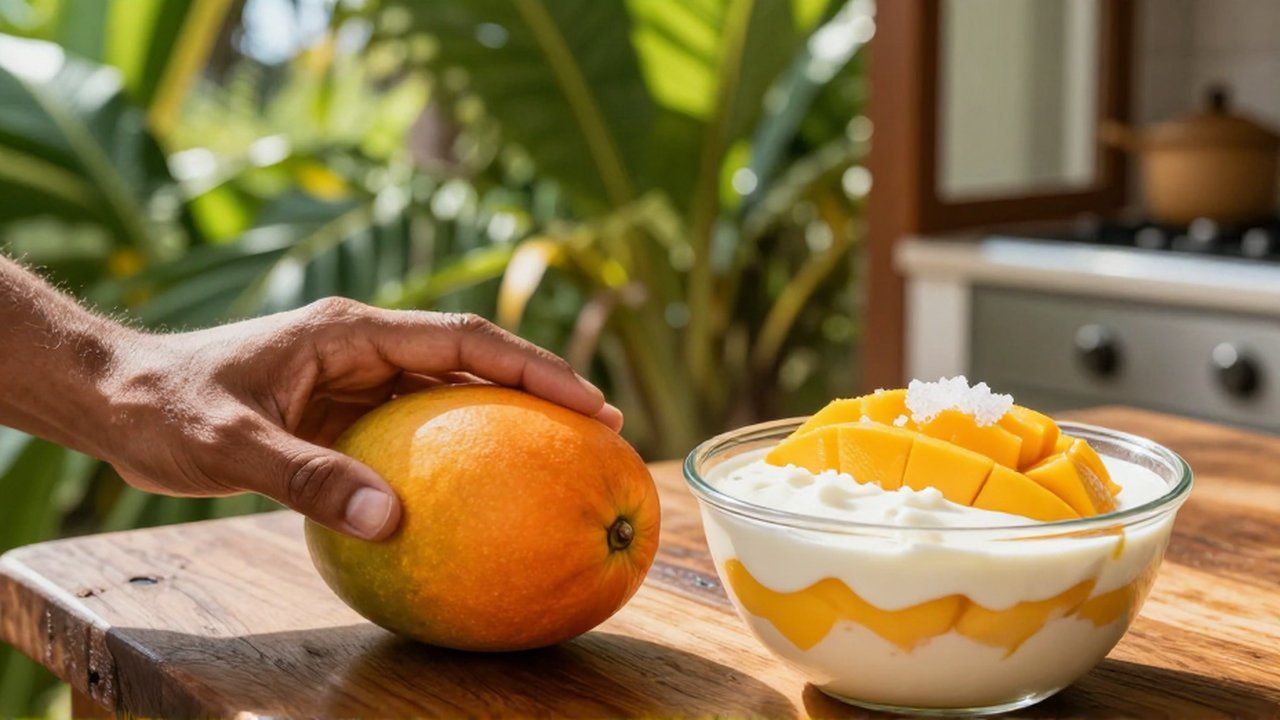
Not all mangoes are created equal when it comes to creamy desserts. To avoid a grainy or stringy texture, keep these criteria in mind:
| Feature | Desired Quality | Why it Matters |
|---|---|---|
| Texture | Smooth and buttery | Prevents "stringy" fibers from ruining the mouthfeel. |
| Scent | Strong, fruity aroma | Indicates peak ripeness and high sugar content. |
| Skin | Slightly yielding | Shows the fruit is juicy and ready for consumption. |
Avoid mangoes that are overly mushy, as they may lose their shape when mixed with the heavy cream, turning the dessert into a puree rather than a textured fruit dish.
Common mistakes to avoid when making the dessert
While the recipe is straightforward, some errors can diminish the quality of the dish. One frequent mistake is using underripe mangoes. If the fruit is too firm or tart, the sweetness of the condensed milk will not be enough to balance the harsh acidity, resulting in a dish that feels unbalanced.
Another mistake is over-mixing. When combining the fruit and the cream, avoid stirring too vigorously. You want the mango cubes to remain intact and visible. If you stir too much, the mangoes will break down, creating a messy consistency rather than the classic layered look. Finally, do not prepare the dish too far in advance. Mangoes release juices once sliced, which can dilute the condensed milk over time. For the best texture, assemble and serve immediately.
Frequently asked questions
Can I use fresh cream instead of condensed milk? You can use heavy cream, but it will lack the signature sweetness and thick viscosity that defines the traditional Dominican version. If you use fresh cream, you will need to add sugar or honey to reach the desired flavor profile.
What is the best way to store leftovers? It is best to consume mango con crema immediately. If you must store it, keep it in an airtight container in the refrigerator, but be aware that the fruit will release juice and the texture will soften within a few hours.
Can I add other fruits to the mix? Yes, you can create a tropical fruit salad style by adding papaya, pineapple, or banana. However, adding too many different fruits may overwhelm the delicate balance between the mango and the cream.
Is there a low-sugar version available? To reduce sugar, you can use a light version of sweetened condensed milk or substitute it with Greek yogurt mixed with a small amount of honey.
Leave a Reply