Techniques for sautéing seafood with tropical spices

Introduction
Sautéing seafood with tropical spices is a culinary method designed to infuse delicate marine proteins with the vibrant, aromatic profiles of the Caribbean. This technique relies on high heat and a minimal amount of fat to quickly cook seafood, ensuring a tender texture while creating a flavorful crust. By mastering this process, home cooks can elevate simple ingredients like shrimp, snapper, or scallops into sophisticated dishes that capture the essence of tropical flavors.
This method is particularly appropriate when you want to highlight the freshness of the seafood without masking it under heavy sauces. It is the ideal choice for quick weeknight dinners or elegant appetizers where speed and aroma are essential. Understanding the balance between heat control and spice infusion allows you to transform standard cooking into a sensory experience that celebrates the intersection of coastal ingredients and exotic seasonings.
Essential preparation steps for seafood
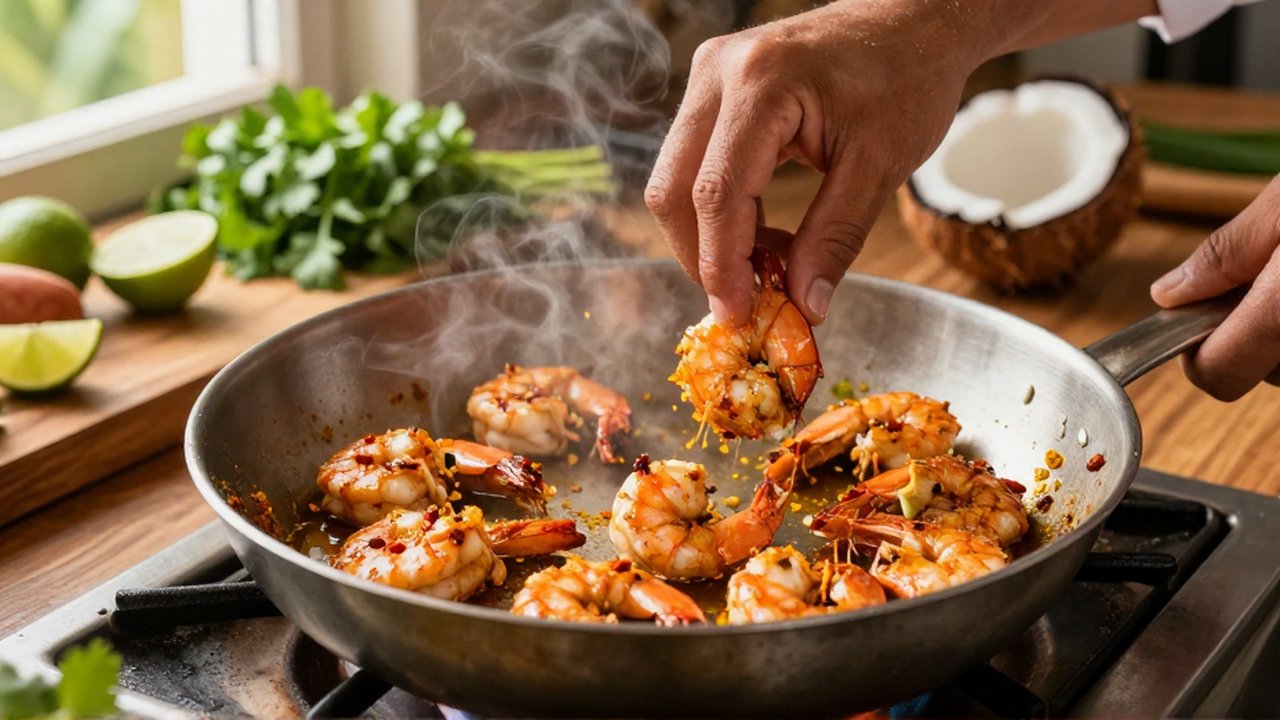
Before the heat ever touches the pan, the success of your sauté depends on meticulous preparation. Seafood is highly sensitive to moisture; if the surface of the fish or shellfish is wet, it will steam in the pan rather than sear. This results in a rubbery texture and a lack of the golden-brown coloration that defines a proper sauté. Always use paper towels to pat your seafood completely dry before seasoning.
Once dried, the seasoning process must be handled with care. Tropical spices—such as smoked paprika, cumin, dried oregano, or crushed coriander seeds—can burn quickly if applied too early or if the heat is too high. A professional approach involves seasoning the seafood just moments before it hits the pan. For even better results, consider making a dry rub of your spices and letting it sit on the seafood for a few minutes at room temperature, which helps the flavors penetrate the surface without the spices becoming bitter from prolonged exposure to heat.
Managing heat and fat for optimal results
The word "sauté" comes from the French verb meaning "to jump," referring to the movement of food in the pan. To achieve this, you need a pan that retains heat well, such as stainless steel or cast iron. The choice of fat is equally critical. While vegetable oils are versatile, using a combination of a high-smoke-point oil (like avocado or coconut oil) and a small amount of butter at the end can provide both a clean sear and a rich, tropical aroma.
To execute the technique correctly, follow these heat management guidelines:
- Preheat the pan: Never add seafood to a cold pan. Wait until the oil shimmers or shows a very slight wisp of smoke.
- Avoid overcrowding: If you place too much seafood in the pan at once, the temperature will drop sharply. This causes the seafood to release juices, turning your sauté into a boil. Cook in small batches to maintain high heat.
- The sear and flip: Allow the seafood to sit undisturbed for a minute or two to develop a crust. Once a golden color appears, flip it gently to cook the other side.
- Adjusting spices: For delicate spices, add them toward the end of the cooking process or infuse them into the cooking fat separately to prevent them from burning in the high heat.
Selecting and pairing tropical spices
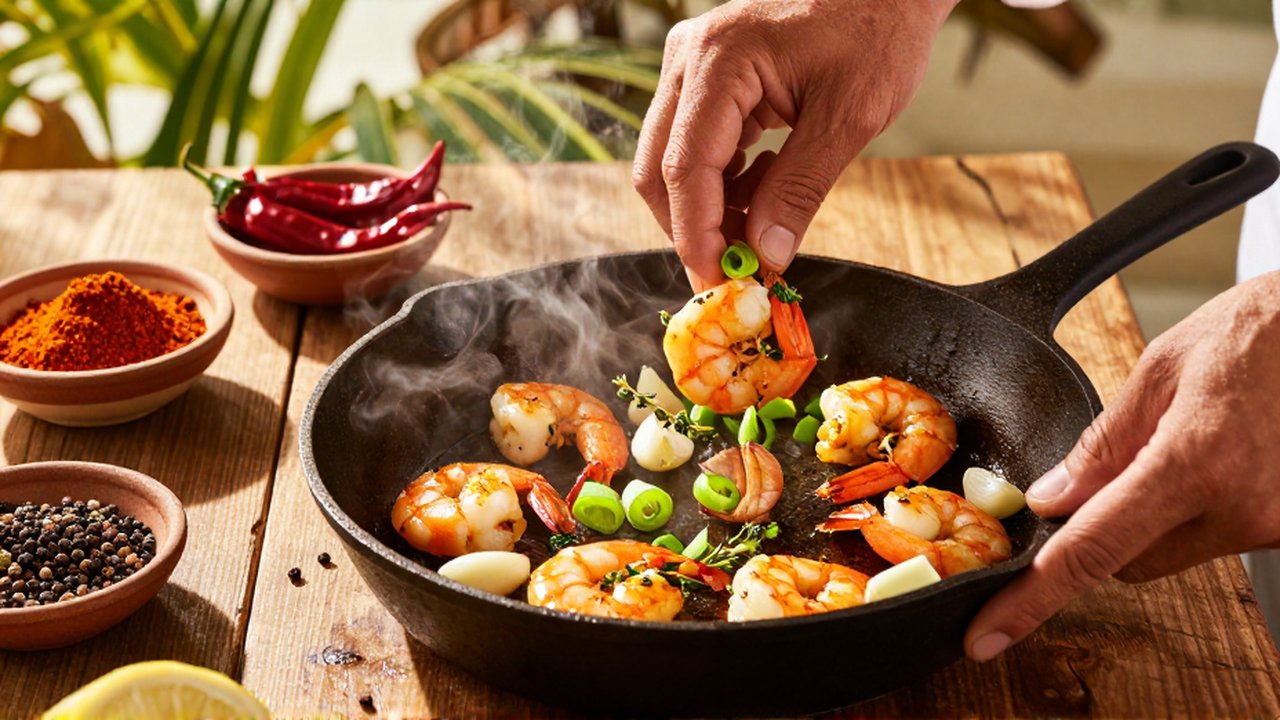
The goal of using tropical spices is to complement the natural sweetness of the seafood rather than overpowering it. Different spices evoke different culinary moods. For example, a combination of lime zest, garlic, and crushed red pepper creates a bright, acidic profile perfect for shrimp. Conversely, using warm spices like allspice or nutmeg, even in small amounts, can lend a deeper, more complex undertone to heavier fish like sea bass.
| Spice Category | Examples | Best Seafood Pairings |
|---|---|---|
| Bright & Zesty | Lime zest, Ginger, Cilantro | Shrimp, Scallops, White fish |
| Warm & Earthy | Cumin, Allspice, Smoked Paprika | Snapper, Monkfish, Lobster |
| Aromatic | Garlic, Onion powder, Coriander | Salmon, Mahi-mahi, Tuna |
Common mistakes to avoid
One of the most frequent errors is overcooking. Seafood continues to cook for a moment even after it is removed from the pan due to residual heat. To prevent a rubbery texture, remove the seafood from the heat just as it reaches its ideal internal temperature. For shrimp, this is when they turn opaque and form a "C" shape; for fish, when the flakes begin to separate easily.
Another mistake is using spices that are too "heavy" or toasted too long in the oil. Large amounts of dried herbs can become acrid if they sit in hot oil for several minutes. If you are using a spice blend that includes dried herbs, it is often safer to sauté the seafood in oil first, and then add the spice-infused oil or a small amount of butter with the spices at the final stage of cooking.
Frequently asked questions
How can I tell if the pan is hot enough? A quick way to test the heat is to drop a tiny piece of seafood or a single drop of water into the oil. If it sizzles immediately and dances in the pan, it is ready. If it sits still, the pan needs more time.
Can I use butter for the entire sauté process? It is not recommended to use only butter for high-heat sautéing because the milk solids in butter burn at relatively low temperatures. It is better to start with a neutral oil and add a knob of butter toward the end for flavor.
Should I marinate seafood in spices before sautéing? While marinating can add flavor, it also introduces moisture. If you marinate, ensure you pat the seafood extremely dry with paper towels immediately before placing it in the pan to maintain a high sear.
What is the best way to add fresh herbs like cilantro or parsley? Fresh herbs should almost always be added at the very end, either as a garnish or stirred in just seconds before serving. High heat will quickly turn fresh herbs black and destroy their bright, volatile oils.
Leave a Reply