How to prepare savory Dominican Yuca con Coco
Introduction
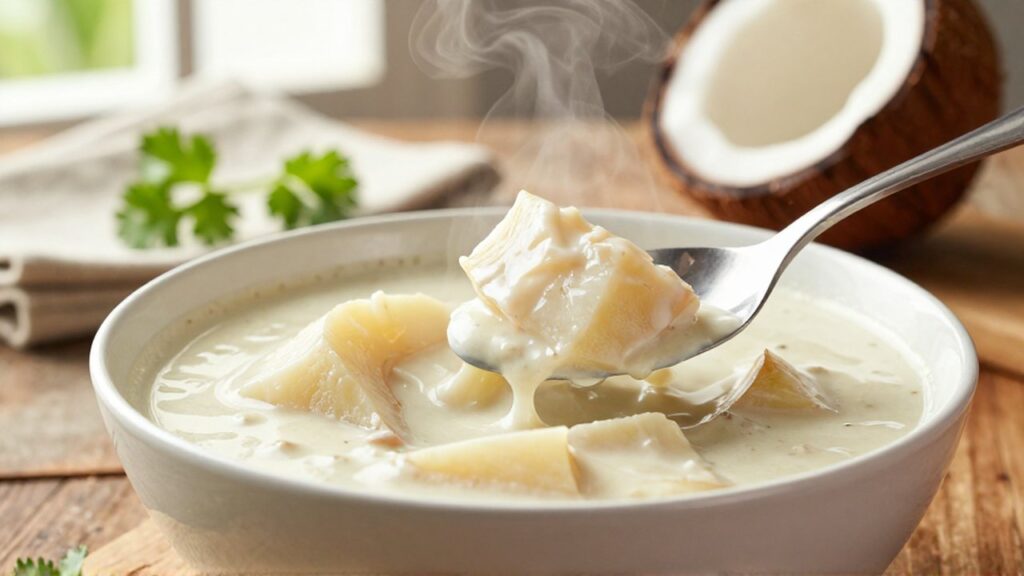
Yuca con Coco is a quintessential side dish in Dominican cuisine, representing the beautiful fusion of African, European, and indigenous influences that define the island's culinary identity. This savory dish features tender cassava (yuca) simmered in rich, creamy coconut milk, creating a velvety texture and a complex flavor profile that balances earthy starchiness with tropical sweetness. It is a staple at family gatherings, Sunday lunches, and festive celebrations across the Dominican Republic.
Preparing this dish allows you to bring a piece of Caribbean soul to your dining table. Because it serves as a hearty accompaniment, it is most commonly paired with proteins such as fried fish, stewed chicken, or roasted pork. Understanding the balance of coconut milk reduction and the proper texture of the yuca is essential to achieving the authentic, comforting experience that makes this dish so beloved by locals and travelers alike.
Essential ingredients for authentic flavor
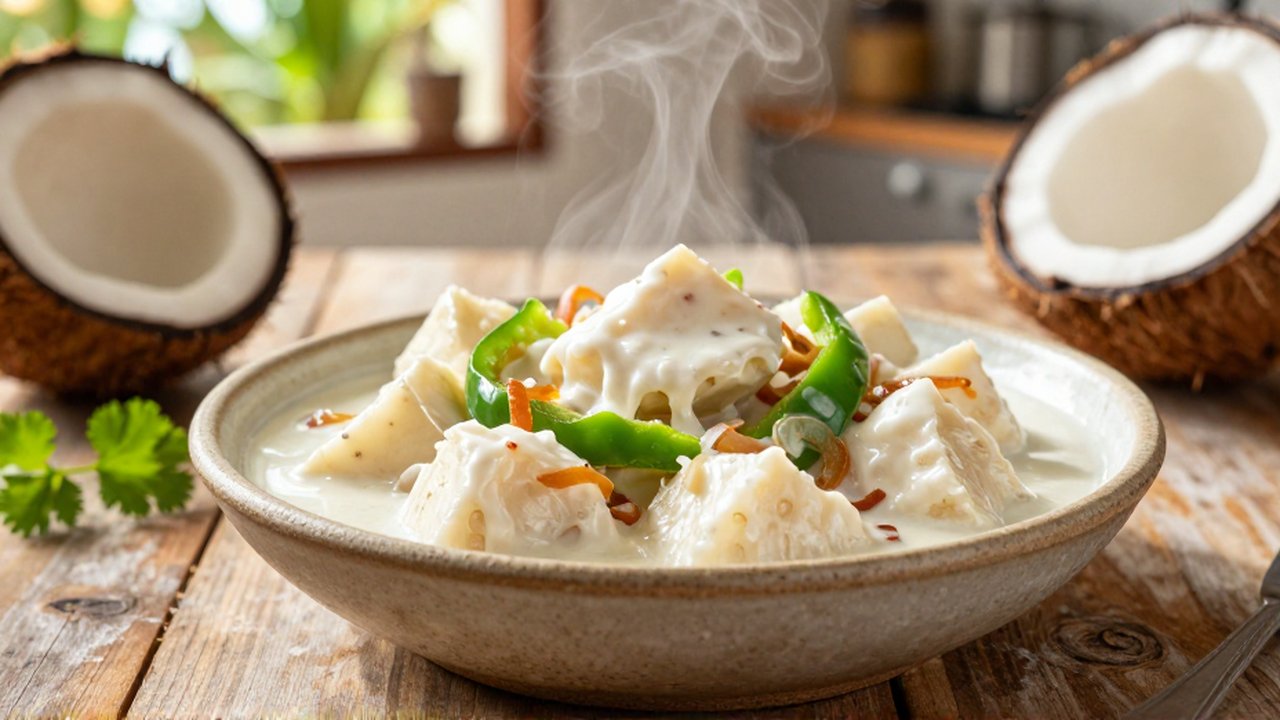
To achieve the traditional taste of Dominican Yuca con Coco, the quality of your ingredients is paramount. While the recipe is straightforward, the interplay between the starch and the fat of the coconut is what creates the signature mouthfeel.
- Yuca (Cassava): Look for fresh yuca roots that are firm and heavy. If using frozen yuca, ensure it is thawed completely before cooking to avoid uneven textures.
- Coconut Milk: For the most authentic results, use full-fat coconut milk. If possible, use milk extracted from fresh coconut meat, though high-quality canned full-fat milk is a reliable and convenient substitute.
- Aromatics: Onion, garlic, and bell peppers are the foundation. These should be finely chopped to melt into the sauce.
- Seasonings: Salt is vital to balance the coconut, but many Dominican households also include a touch of oregano or a small amount of bitter orange juice to add depth.
- Optional Additions: Some regional variations include small pieces of dried salted cod or cilantro for added complexity.
Step by step cooking process
The secret to a perfect Yuca con Coco lies in the timing. You must ensure the yuca is fully tender before the coconut milk reduces into a thick, luscious sauce.
- Prepare the Yuca: Peel the cassava to remove the thick brown skin and the inner woody core. Cut the root into bite-sized chunks. Boil the yuca in salted water until it is fork-tender. Drain the water thoroughly and set the yuca aside.
- Sauté the Aromatics: In a wide pan or caldero, heat a small amount of oil (or coconut oil). Sauté your chopped onion, garlic, and bell peppers until they are soft and fragrant.
- Simmer with Coconut Milk: Pour the coconut milk into the pan with the aromatics. Bring the mixture to a gentle simmer. Add the cooked yuca chunks into the liquid.
- Reduce the Sauce: Allow the yuca to simmer in the coconut milk over medium-low heat. This step is crucial; you are looking for the liquid to evaporate and thicken until it coats the yuca like a rich cream.
- Final Seasoning: Once the sauce has reached your desired consistency, taste for salt. If the sauce is too thick, you can add a splash more coconut milk; if too thin, continue simmering uncovered.
Tips for achieving perfect texture
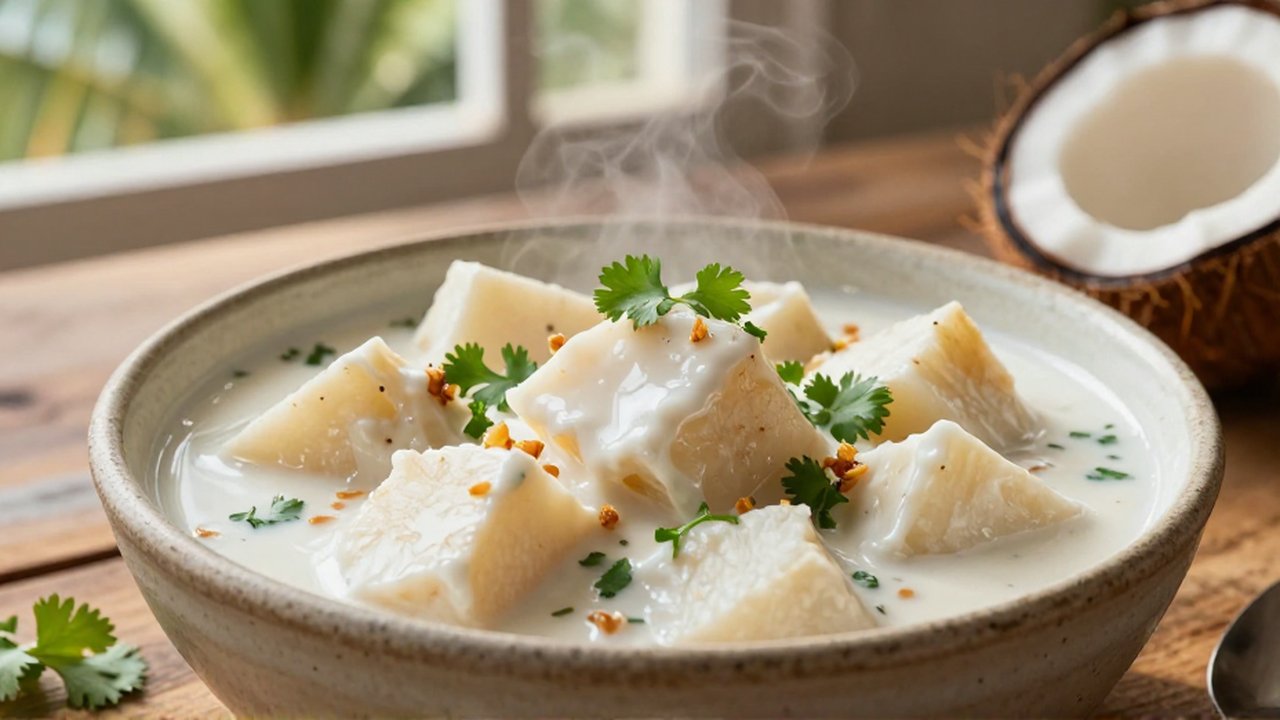
A common mistake in making Yuca con Coco is ending up with either watery liquid or overly mushy cassava. To prevent this, follow these professional recommendations:
| Goal | Technique |
|---|---|
| Creamy Sauce | Use full-fat coconut milk and do not rush the reduction process. |
| Tender Yuca | Ensure the yuca is boiled in salted water before adding it to the coconut milk. |
| Flavor Depth | Sauté your aromatics thoroughly to release their natural oils before adding liquids. |
Avoid overcooking the yuca in the coconut milk phase. Since the yuca is already cooked from the boiling stage, the second simmer is primarily for flavor absorption and sauce thickening. If you cook it too long in the milk, the starch may break down too much, turning the dish into a porridge rather than distinct chunks in a sauce.
Common mistakes to avoid
One frequent error is using "light" coconut milk. Light versions contain more water and less fat, which prevents the sauce from thickening into the signature velvety texture required for this dish. Always opt for the highest fat content available for the best results.
Another mistake is failing to remove the woody core of the yuca. Every piece of cassava has a fibrous string running through the center. If this is not removed after boiling, it can ruin the eating experience by providing a tough, unpalatable texture. Always inspect your chunks before they enter the coconut milk.
Frequently asked questions
Can I make this dish vegan? Yes, the traditional recipe is naturally vegan as it relies on coconut milk for fat and seasoning rather than dairy or meat products.
How should I store leftover Yuca con Coco? Store any leftovers in an airtight container in the refrigerator. When reheating, add a small splash of coconut milk or water to loosen the sauce, as the starch will thicken significantly when cold.
Can I use dried yuca instead of fresh? While possible, fresh or frozen yuca provides a much superior texture. Dried yuca requires extensive soaking and longer boiling times to reach the desired tenderness.
What is the best protein to serve with this dish? Because Yuca con Coco is rich and creamy, it pairs excellently with acidic or salty proteins, such as lime-marinated fried fish or salty stewed meats, which help balance the richness of the coconut.
Leave a Reply